
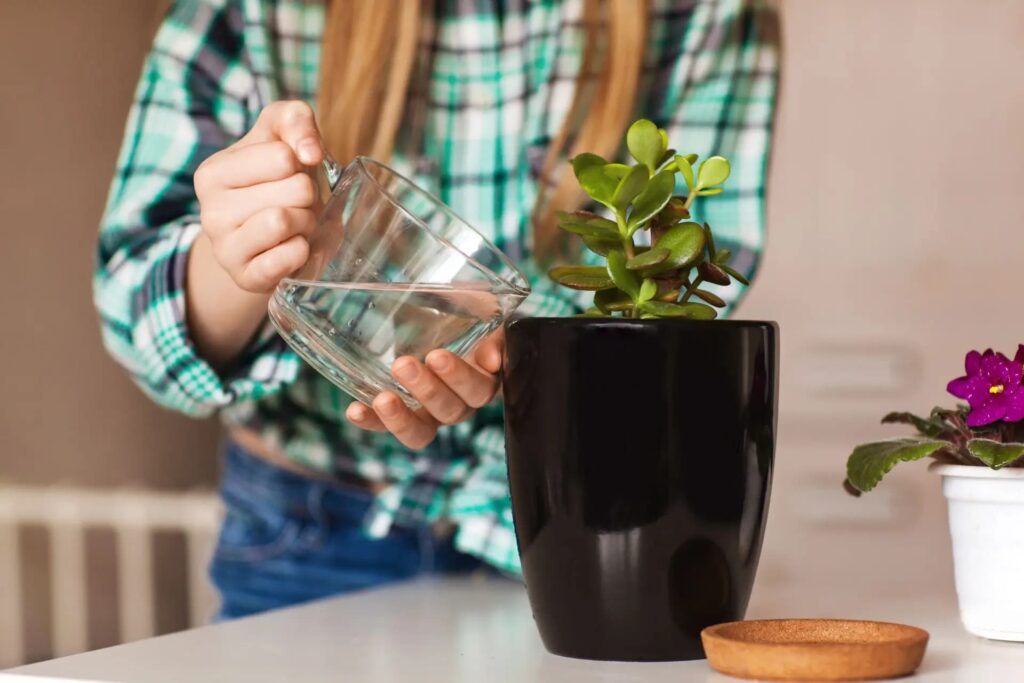
Why is water not absorbing in my self watering planter?
Short answer: this usually happens because the wick is dry or clogged, the soil is too compacted or hydrophobic, air pockets block water flow, or the reservoir isn’t making proper contact with the soil. In most cases, you can fix absorption problems without replacing the planter.
Introduction
If you’ve filled the reservoir and noticed the water just sitting there, it’s easy to panic. As a result, you might wonder whether your self watering planter is broken, if your plant is in danger, or if you did something wrong during setup.
However, the good news is that in most cases, a self watering planter not absorbing water isn’t a defect. Instead, it’s usually a setup or maintenance issue that you can fix in a few simple steps.
In this guide, we’ll explain exactly why water is not absorbing in your self watering planter. Then, we’ll show you the most common mistakes and, finally, how to fix the problem quickly without repotting or replacing the pot.
How Self Watering Planters Absorb Water
Before troubleshooting, it helps to understand how these planters are supposed to work.
Self watering planters rely on capillary action. In other words, water moves upward from the reservoir into the soil through:
- A wick (fabric, rope, or plastic column)
- Or a soil column that touches the water
For absorption to happen, several conditions must be met:
- The wick must be wet and in contact with both water and soil
- The soil must be loose enough to pull moisture upward
- There must be no air gaps blocking the flow
If any of these elements fail, water stays in the reservoir and your plant slowly dries out.
Why Water Is Not Absorbing in a Self Watering Planter
Here are the most common reasons water is not absorbing in your self watering planter.
The Wick Is Dry or Not Making Contact
If you never moistened the wick before setup, it may not start wicking at all.
Because capillary action only works once moisture is already present in the fibers, a dry wick cannot pull water upward.
For this reason, this is the #1 cause of a self watering planter not wicking water.
Soil Is Too Compact or Hydrophobic
Over time, some soils become water-repellent.
This is especially common with:
- Peat-heavy potting mixes
- Old, dry soil
- Soil that you packed too tightly
When soil becomes hydrophobic, it resists moisture instead of absorbing it. As a result, water remains beneath it.
Air Gaps Between Soil and Wick
If there’s even a small air pocket between the wick and the soil, water flow stops.
Because capillary action requires continuous contact, even tiny gaps can break the flow.
This often happens when:
- Soil shrinks as it dries
- The pot was filled too loosely
- The wick shifted during planting
Clogged Wick or Water Channels
Mineral buildup, algae, dirt, or fine soil particles can block water movement.
When this happens, a clogged self watering planter wick prevents any moisture from reaching the soil.
Therefore, this issue is more common in planters that you haven’t cleaned in a long time.
Poor Planter Design or Misalignment
Some planters simply don’t make good contact between the reservoir and soil.
In other cases:
- The inner pot isn’t seated properly
- The soil column doesn’t reach the water
- The wick is too short
As a result, water stays in the reservoir planter without being absorbed.
Signs Your Self Watering Planter Isn’t Working Properly
Not sure if your planter is failing?
Look for these warning signs:
- Water staying in the reservoir for days
- Soil dry on top and inside
- Plant wilting or yellowing
- No visible change in water level
If you see these symptoms, your self watering pot is not absorbing water correctly.
How to Fix a Self Watering Planter That Isn’t Absorbing Water
This is the most important part. Fortunately, you can solve most issues in minutes.
Prime the Wick Before Refilling
First, remove the inner pot and fully soak the wick in water.
Make sure:
- The wick is dripping wet
- Both ends are saturated
Then, reinstall it and refill the reservoir.
In many cases, this alone fixes a self watering planter not wicking water.
Loosen and Repack the Soil
Next, gently loosen the top 5–10 cm (2–4 inches) of soil.
However, avoid compacting it again.
If the soil is extremely hard or hydrophobic, mix in a small amount of fresh potting mix.
Remove Air Pockets
After that, press the soil gently around the wick or soil column.
You want firm contact, not compression.
Then, tap the pot lightly on a table to help settle soil into gaps.
Clean or Replace the Wick
If the wick looks:
- Slimy
- Crusted with minerals
- Moldy
Remove it and rinse it thoroughly.
If it doesn’t clean easily, replace it.
Adjust the Soil Level and Contact
Now, make sure:
- Soil reaches the wick or soil column
- Nothing is blocking the contact point
If needed, add a small amount of soil.
Flush the Reservoir
Finally, drain all old water.
Then, rinse the reservoir to remove buildup.
After that, refill it with fresh water.
Can Wrong Soil Prevent Water Absorption?
Yes — and it’s one of the most overlooked causes.
Hydrophobic soil, peat-heavy mixes, and old compacted soil can completely block capillary action.
Because of this, you may see:
- Water staying in reservoir planter
- Dry soil even when water is available
Solutions:
- First, pre-moisten soil before planting
- Then, mix in perlite or coco coir
- Finally, replace old soil
Best Soil for Self Watering Planters
Does Overwatering or Underwatering Cause Absorption Problems?
Surprisingly, both can contribute.
Overwatering:
- Causes root zone saturation
- Leads to poor oxygen flow
- Can damage wick fibers
Underwatering:
- Dries out soil
- Breaks capillary flow
- Creates air gaps
Therefore, keeping a consistent water level helps prevent both problems.
When You Should Replace the Wick or Planter
Sometimes, repair isn’t enough.
Replace the wick if you see:
- Mold growth
- Persistent odor
- Fraying fibers
- Stiff or brittle texture
Similarly, replace the planter if:
- The reservoir is warped
- The soil column doesn’t reach water
- Structural misalignment prevents contact
Common Mistakes That Stop Water Absorption
These setup mistakes cause most failures:
- Not priming the wick
- Packing soil too tightly
- Starting with completely dry soil
- Letting the reservoir get dirty
Because of this, avoiding these errors prevents most self watering planter not absorbing water issues.
FAQ
Why is my self watering planter not wicking water?
Usually because the wick is dry, clogged, or not touching the soil properly.
Can dry soil block capillary action?
Yes. Because hydrophobic soil repels moisture, it stops water from moving upward.
How long does it take for water to start absorbing?
If everything is working, absorption should begin within minutes to a few hours.
Do all self watering planters absorb water at the same speed?
No. Instead, absorption speed depends on wick type, soil mix, and planter design.
Is it normal for the reservoir to stay full?
Only temporarily. If it never drops, something is blocking water flow.
Final Thoughts
If you’re asking why is water not absorbing in my self watering planter, don’t worry — your planter is probably not broken.
Most problems come down to:
- A dry or clogged wick
- Compact or hydrophobic soil
- Air gaps
- Poor contact between soil and water
With a few simple fixes, you can restore proper wicking and keep your plant healthy without repotting or replacing the pot.