
Short Answer (Featured Snippet)
If your plant is still wilting in a self watering planter, the problem is usually not a lack of water.
In fact, in most cases, wilting happens because roots cannot absorb water properly, often due to low oxygen levels, compacted soil, or early root stress.
As a result, even though water is present, the plant behaves as if it were thirsty.
So yes — overwatering can cause wilting, even in self watering planters.
Introduction: Water Is There… So Why Is the Plant Drooping?
You look at the reservoir, and it is not empty.
You touch the soil, and it feels moist.
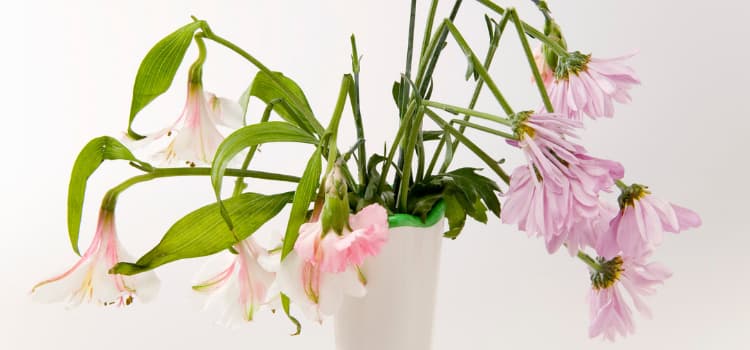
Yet, despite this, the leaves are soft, drooping, or collapsing.
Naturally, this feels alarming. After all, self watering planters are often marketed as “easy” or even “foolproof.”
However, they are not automatic solutions — they simply change how water and air reach the roots.
Because of this, many plants do not dry out in these systems. Instead, they wilt while the soil is still wet, which feels confusing and frustrating.
In this guide, you will learn:
- why this happens
- how to identify the real cause
- what steps actually help
- and when not to panic
How Self Watering Planters Actually Affect Roots
Self watering planters do not water plants on their own.
Instead, they create constant moisture from below, which directly affects root behavior.
Moisture Does Not Equal Water Access
Roots need more than water. They also require oxygen to function.
In a self watering planter:
- water moves upward through wicks or capillary action
- lower soil layers stay moist for long periods
- oxygen levels drop if soil or airflow is poor
Because of this, roots may sit in wet soil while still being unable to drink.
As a result, leaves begin to droop even though water is available.
👉 Internal link: Are Self Watering Planters Good for Beginners?
Most Common Reasons a Plant Wilts in a Self Watering Planter
Below are the most frequent causes. In most situations, one of these explains the problem.
Overwatering and Root Oxygen Starvation
First and foremost, yes — overwatering can cause wilting.
When soil remains constantly wet:
- air pockets disappear
- roots cannot breathe
- water absorption slows down
Consequently, the plant wilts despite having access to moisture.
This is the most common reason for a self watering planter wilting plant.
Roots Have Not Reached the Water Reservoir
In many cases, especially with new plants, roots simply do not extend far enough.
This often happens when:
- the plant was recently repotted
- the root system is shallow
- soil is too dense
As a result, water stays in the reservoir while the roots remain stressed.
Wick Is Not Absorbing Water Correctly
Sometimes the system itself fails.
For example:
- the wick may not be fully saturated
- it may be too short
- mineral buildup may block absorption
Therefore, even though water is present, it never reaches the soil.
👉 See also: Why Is Water Not Absorbing in My Self Watering Planter?
Compacted or Incorrect Soil
Standard potting soil often performs poorly in self watering planters.
When soil becomes compacted:
- water distribution becomes uneven
- lower layers stay soaked
- upper roots struggle
Because of this imbalance, the plant may droop while the soil remains wet.
Early Root Rot
Root rot does not always start dramatically.
At first, it causes:
- sudden wilting
- weak stems
- slightly sour-smelling soil
At this stage, leaves may still look green.
However, without action, damage progresses quickly.
👉 Related: Do Self Watering Planters Cause Root Rot?
Salt Buildup and Fertilizer Stress
Another overlooked issue is salt accumulation.
Since self watering planters flush poorly:
- fertilizer salts stay in the soil
- roots become damaged
- water uptake slows
As a result, the plant wilts even though moisture is present.
Sudden Environmental Changes
Finally, not all wilting is related to watering.
For instance:
- cold drafts
- heat from radiators
- sudden light changes
can all cause temporary drooping, even in healthy plants.
Wilting vs Drying vs Root Rot: How to Tell the Difference
Correct diagnosis matters.
Dry Plant
- leaves feel thin and crisp
- soil pulls away from pot edges
- plant improves after watering
Overwatered or Suffocating Roots
- leaves feel soft or limp
- soil feels cool and wet
- watering does not help
Early Root Rot
- drooping combined with yellowing
- unpleasant soil smell
- rapid decline
If the soil is wet but the plant is wilting, the issue is almost never drought.
How to Fix a Wilting Plant in a Self Watering Planter
Follow these steps in order.
Step 1: Stop Refilling the Reservoir
Adding more water usually makes the problem worse.
Step 2: Let the Reservoir Empty
This allows oxygen to return to the root zone.
Step 3: Inspect Soil and Roots
Healthy roots are firm and light-colored.
Damaged roots are dark, soft, or smelly.
Step 4: Flush the Soil
Run clean water through the pot to remove excess salts.
Step 5: Improve Light and Airflow
Stable warmth, indirect light, and airflow support recovery.
When Wilting Is Not a Watering Problem
Sometimes, water is not the cause.
- transplant shock
- temperature stress
- light mismatch
In these cases, consistency — not watering changes — is the solution.
How to Prevent Wilting in the Future
To avoid repeat issues:
- use light, well-aerated soil
- allow reservoirs to empty periodically
- observe the plant, not just the water level
FAQ
Can plants wilt from overwatering in self watering planters?
Yes. Excess moisture reduces oxygen, which prevents roots from absorbing water.
Why is the soil wet but the plant drooping?
Because wet soil does not guarantee functional roots.
Should I stop using the reservoir?
Temporarily, yes — especially during recovery.