
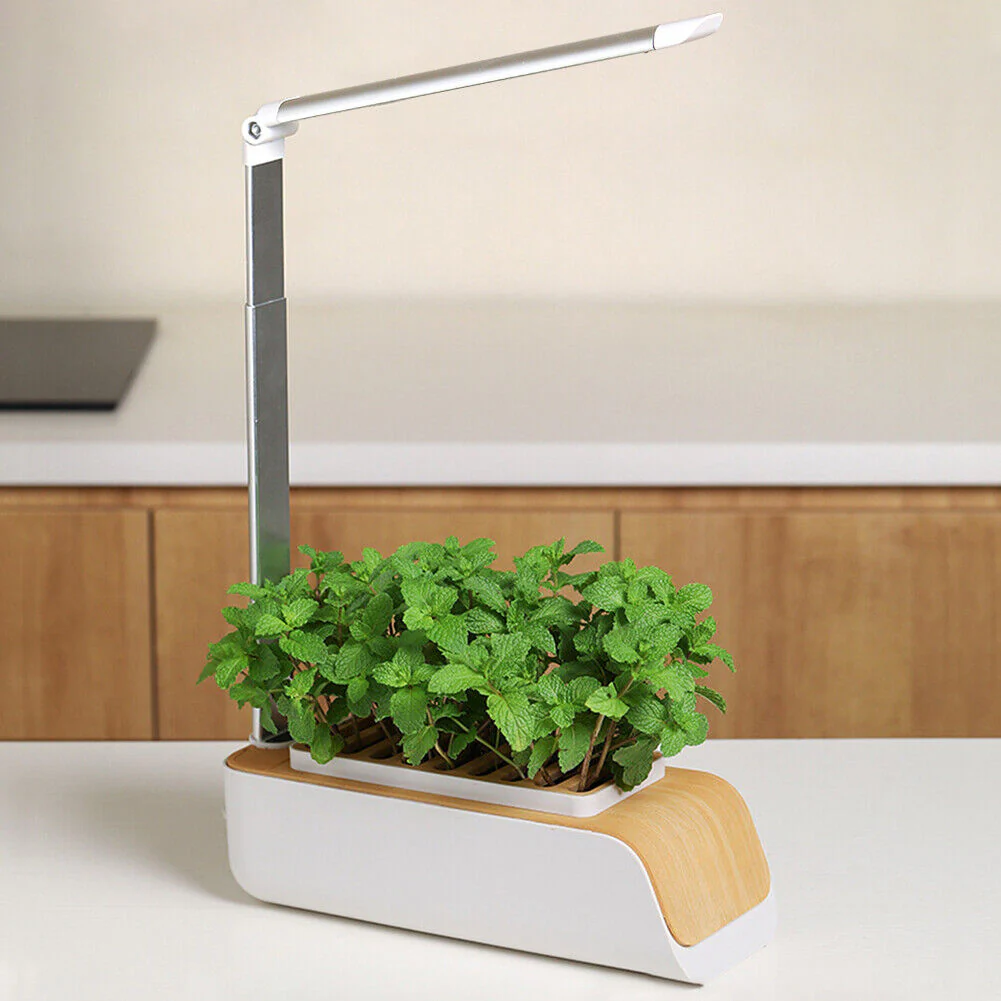
Self watering planters simplify indoor gardening by providing consistent moisture through a built-in reservoir system. However, even the best watering setup cannot replace proper lighting. Many apartments and indoor spaces lack strong natural sunlight, which makes grow lights an excellent solution for maintaining healthy plants.
Using grow lights with self watering planters creates a stable environment where both hydration and light remain consistent. When set up correctly, this combination reduces maintenance and supports steady plant growth throughout the year.
This guide explains how artificial lighting interacts with self watering systems and how to create an effective indoor setup.
Why Grow Lights Work Well with Self Watering Planters
Self watering planters maintain constant soil moisture. Grow lights provide consistent energy for photosynthesis. Together, they remove two major variables from plant care: irregular watering and inconsistent light.
Benefits include:
- more predictable growth patterns
- reduced risk of underwatering
- improved root development
- easier care in low-light apartments
Plants respond well to stable conditions. Artificial lighting ensures plants use available moisture efficiently instead of sitting in overly wet soil.
Choosing the Right Grow Light
Not all grow lights perform equally. LED grow lights remain the most popular choice for indoor gardening.
LED systems offer:
- energy efficiency
- low heat output
- adjustable brightness levels
- long lifespan
Full-spectrum lights mimic natural sunlight and work well for most houseplants. Compact clip-on lights suit small self watering planters placed on desks or shelves.
Proper Grow Light Placement
Correct positioning matters more than light strength alone.
General guidelines:
- place lights 6–12 inches above small plants
- increase distance for larger plants
- avoid placing lights too far away, which reduces intensity
Observe leaf behavior. Stretching toward light suggests the source sits too far. Burned edges indicate excessive exposure.
Lighting Schedule for Indoor Self Watering Planters
Consistency improves results. Most indoor plants thrive with 10–14 hours of light per day.
Using a timer helps maintain a reliable cycle. Stable lighting patterns encourage predictable water usage from the reservoir.
Plants exposed to continuous light without rest periods may become stressed. Always include a dark phase to simulate natural day-night rhythms.
How Grow Lights Affect Water Usage
One common mistake is forgetting that lighting changes water consumption. Increased light intensity speeds up photosynthesis. As plants grow faster, they absorb more moisture.
This means:
- reservoirs may empty faster
- refill schedules may change
- soil dries slightly quicker than in low light environments
Monitoring water levels during the first weeks helps you adjust your routine.
Balancing Top Watering and Reservoir Watering
Grow lights accelerate growth, especially during early stages. During this phase, many plant owners wonder whether to continue top watering or rely solely on the reservoir.
Understanding watering strategy becomes important when transitioning to a fully self watering system. For deeper guidance, see Should you water from the top or bottom in self watering planters.
As roots mature and reach the water source, you may reduce top watering. Knowing when to make this transition prevents overwatering. A detailed explanation is available in When to stop top watering self watering planters.
Avoiding Common Mistakes
Combining grow lights with self watering planters works best when you avoid several frequent errors.
Light Too Close
Excessive heat or intensity may stress leaves even if the watering system remains stable.
Ignoring Water Changes
More light increases plant activity. Refill frequency may need adjustment.
Poor Airflow
Artificial lighting combined with constant moisture can increase humidity around plants. Ensure proper air circulation.
Best Plants for Grow Lights and Self Watering Systems
Many indoor plants adapt well to artificial lighting.
Popular options include:
- pothos
- philodendron
- herbs like basil or mint
- snake plants
- small flowering houseplants
Matching plant type with light intensity improves overall success.
Creating a Low-Maintenance Indoor Setup
The goal of using grow lights with self watering planters is simplicity. Once lighting height, schedule, and watering balance stabilize, plant care becomes predictable.
Start with one plant and observe how it responds. Adjust light distance or duration gradually rather than making sudden changes.
Final Thoughts
Using grow lights with self watering planters creates one of the most reliable indoor gardening setups. Artificial lighting supports consistent growth, while the reservoir system maintains steady moisture.
By choosing the right light, positioning it correctly, and adjusting watering routines as plants grow, you can maintain healthy indoor plants even without natural sunlight. With a balanced setup, plant care becomes easier, more predictable, and better suited for modern apartment living.