
Introduction
Self watering planters are often described as a simple way to make plant care easier, especially for indoor plants and herbs. At the same time, many growers report mixed results: some see healthier growth and fewer problems, while others struggle to understand why their plants don’t respond as expected. This contrast leads to a common question — are self watering planters actually better, or are they just another gardening trend?
The truth is that these planters are not a “magic” solution. Their performance depends on several factors, including plant type, soil choice, indoor climate, and how the system is set up. Used in the right context, they can be very helpful. Used incorrectly, they may cause confusion or inconsistent results. This article takes an honest look at the pros and cons of self watering planters so you know what to realistically expect before using one.
What Is a Self Watering Planter? (Short Overview)
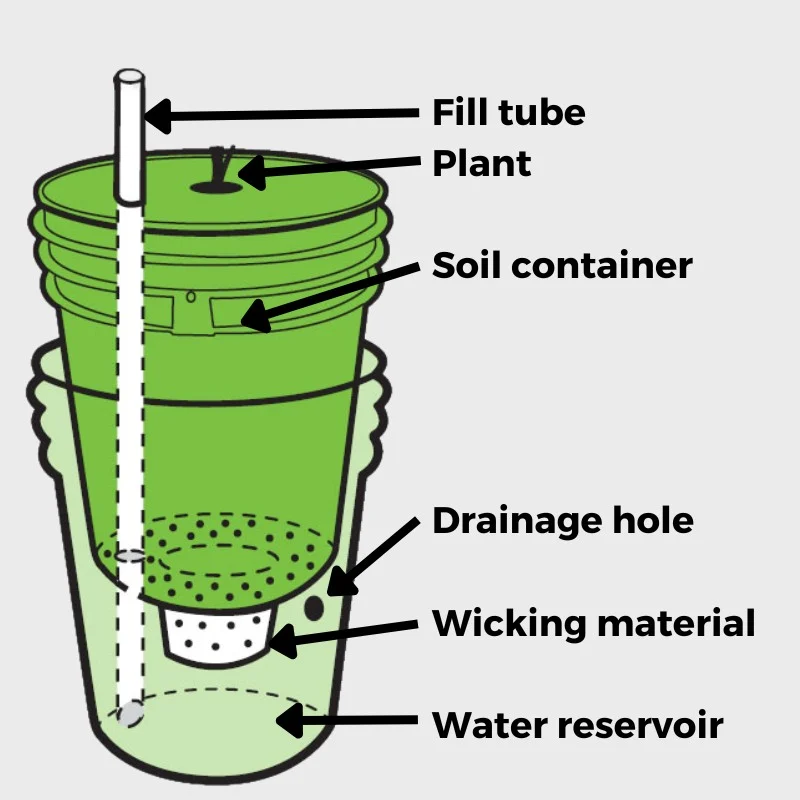
A self watering planter is a container designed with a built-in water reservoir, usually located at the bottom. Instead of watering the soil from the top every day, water is stored below and gradually drawn upward to the roots through capillary action, wicks, or a soil column.
Compared to a regular pot, this system separates water storage from the main root zone. The goal is to provide more consistent moisture over time rather than frequent surface watering. While the concept is simple, the results depend heavily on soil structure and plant needs.
Pros of Self Watering Planters
These advantages are most noticeable in indoor and low-maintenance setups.
One of the reasons self watering planters can help is that they maintain a more consistent moisture level compared to surface watering. According to gardening experts on watering containers, using systems that feed water from the bottom helps reduce waste and keeps moisture where roots can access it.
Consistent moisture for plants
Self watering planters help keep soil moisture more stable over time. Instead of cycles of very wet and very dry soil, plants receive a steadier supply of water, which many indoor plants prefer.
Reduced daily watering effort
Because the reservoir holds water for several days, you don’t need to check moisture levels as often. This can make plant care more manageable, especially if you maintain multiple pots.
Helpful for beginners
For people new to indoor gardening, self watering planters can reduce mistakes related to underwatering. The system provides a buffer that helps plants cope with missed watering days.
Better results in dry indoor air
In apartments with heating or air conditioning, indoor air is often dry. Self watering planters can help offset faster moisture loss from soil under these conditions.
Useful for herbs and fast-growing plants
Many common herbs and leafy plants use water quickly. A consistent moisture supply can support steady growth when the planter size and soil are appropriate.
Less frequent watering during travel
If you’re away for several days, a filled reservoir can keep plants hydrated without relying on someone else to water them daily.
Cons of Self Watering Planters
Self watering planters are not a universal solution.
Risk of overwatering with wrong soil
If the soil mix is too dense or retains too much water, moisture may stay in the root zone longer than intended. This doesn’t automatically cause problems, but it increases the importance of proper soil selection.
Not ideal for all plant types
Some plants prefer drying out between waterings. For these species, constant access to moisture may not match their natural growth pattern.
Soil choice matters more
Compared to regular pots, self watering systems are less forgiving of poor soil structure. Airflow, drainage, and particle size all play a bigger role in plant health.
Slower feedback for beginners
With top watering, it’s easier to see and feel how wet the soil is. Self watering planters can make it harder to read early signs that adjustments are needed.
Limited control for experienced growers
More experienced gardeners sometimes prefer precise control over watering cycles. A reservoir-based system can feel restrictive if you want to vary moisture levels frequently.
Poor design can cause issues
Not all self watering planters are designed equally. Inadequate separation between the reservoir and soil, or lack of overflow protection, can lead to inconsistent results depending on the setup.
When Self Watering Planters Work Best
Self watering planters tend to perform well in these situations:
- Indoor growing with stable temperatures
- Herbs on windowsills with regular light
- Busy schedules that make daily watering difficult
- Dry apartments with heating or air conditioning
- Medium-sized plants that actively use water
In these cases, the system supports consistency rather than replacing plant care entirely.
When They Might Not Be the Best Choice
There are also scenarios where self watering planters may be less suitable:
- Succulents and cacti that prefer dry soil
- Mediterranean herbs that like drying cycles
- Outdoor use in areas with heavy rain
- Very small plants placed in oversized containers
In these situations, traditional pots may offer better control and predictability.
Pros and Cons for Indoor Herbs (Mini-Section)
Indoor herbs often benefit from self watering planters because they grow actively and use water quickly. Consistent moisture can support leaf production and reduce stress during hot or dry indoor conditions. For many people, this leads to more reliable growth on kitchen windowsills.
However, mistakes are common. Using dense soil, choosing an oversized pot, or planting herbs with very different water needs together can reduce the benefits. Understanding which herbs adapt well to steady moisture is essential.
If you want to explore this topic further, see:
- Best Herbs for Self Watering Planters
- Are Self Watering Planters Good for Herbs?
How to Decide If a Self Watering Planter Is Right for You
Ask yourself a few practical questions:
- Do you prefer consistent moisture over manual control?
- Are you growing plants indoors rather than outdoors?
- Do you want less daily maintenance without fully automating care?
- Are you willing to adjust soil choice for better results?
Your answers can help clarify whether this system fits your habits and environment.
Conclusion
Self watering planters come with clear advantages and real limitations. They can simplify indoor plant care, improve moisture consistency, and reduce daily effort — but only when paired with suitable plants and proper setup. They are not a guaranteed solution for every growing situation.
Success depends on matching expectations with reality and choosing plants that benefit from steady moisture. Understanding both sides helps you choose what fits your space, not just what sounds convenient.