
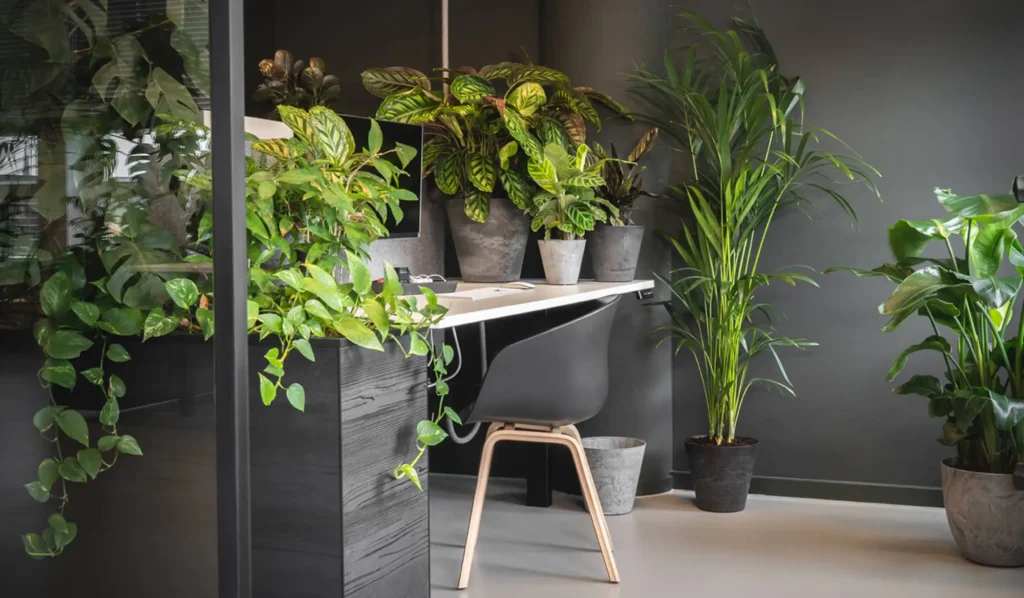
Many people associate self watering containers with small herbs or compact houseplants, but they can also work well for bigger greenery. In fact, self watering planters for large indoor plants can make caring for large houseplants significantly easier by providing a steady supply of moisture.
Large plants tend to use more water than smaller ones, and forgetting to water them can quickly lead to drooping leaves or stressed roots. A planter with a built-in reservoir helps maintain consistent hydration, which many large tropical plants prefer.
However, using these containers with bigger plants requires a few extra considerations.
Why Self Watering Planters Can Help Large Plants
Larger indoor plants often need frequent watering because of their size and leaf surface area. Self watering systems help manage that demand.
More consistent moisture
Large plants absorb water quickly, and the reservoir ensures the soil doesn’t dry out too fast.
Less frequent watering
Instead of watering every few days, the reservoir may last one to two weeks depending on plant size and indoor conditions.
Healthier root environment
Properly designed planters maintain moisture without leaving the roots constantly waterlogged.
This can be especially helpful for busy households where regular watering schedules are difficult to maintain.
Large Indoor Plants That Work Well in Self Watering Planters
Many popular large houseplants naturally grow in tropical environments where soil remains consistently moist. These plants usually adapt well to reservoir systems.
Examples include:
- Monstera deliciosa
- Fiddle leaf fig
- Rubber plant
- Bird of paradise
- Dracaena
- Peace lily
These plants typically benefit from stable moisture levels and can thrive in well-designed self watering containers.
Choosing the Right Planter Size
When using self watering planters for large indoor plants, the container must provide enough root space and an appropriately sized reservoir.
Larger plants require:
- A deeper soil chamber for root growth
- A larger reservoir to keep up with water demand
- A stable base so the planter can support the plant’s weight
If the reservoir is too small, it may empty very quickly and defeat the purpose of the system.
Pay Attention to Soil Mix
Large plants growing in self watering containers still need a well-aerated soil mix. A dense or compacted soil can hold too much water and restrict airflow around the roots.
A good soil blend may include:
- Indoor potting soil
- Perlite or pumice
- Orchid bark or coco coir
This combination allows water to wick upward while still keeping the root zone oxygenated.
Placement Matters for Bigger Plants
Because large plants grow tall and wide, the location of the planter can influence how effectively the watering system works.
Factors to consider include:
- Available sunlight
- Temperature stability
- Space for airflow around the leaves
Choosing the right spot in your home can improve plant health and make maintenance easier. If you’re deciding where to place larger containers, you may find helpful ideas in Where to Place Self Watering Planter in Apartment, which covers positioning tips for indoor spaces.
Final Thoughts
Yes, self watering planters for large indoor plants can work very well when the container size, soil mix, and reservoir capacity are properly matched to the plant. These systems help maintain consistent moisture and reduce the need for frequent watering, which is especially useful for larger houseplants.
With the right setup, self watering planters can simplify plant care while supporting healthy growth for even the biggest indoor plants.
FAQ
Can large plants survive in self watering planters?
Yes. Many large tropical houseplants adapt well to reservoir watering systems when planted in well-draining soil.
How often do you refill large self watering planters?
Depending on the plant and container size, reservoirs may need refilling every 1–2 weeks.
Are self watering planters strong enough for heavy plants?
Most large models are designed to support heavier plants, but choosing a sturdy planter with a stable base is important.