
Yes, you can use a self watering planter without a wick system. While many designs rely on fabric wicks to move water from the reservoir to the soil, not all self watering planters use this method.
Some systems depend on direct soil contact, wicking columns, or specially designed inserts to deliver moisture. These wickless designs can work just as well—sometimes even better—depending on the setup.
If you’re new to these containers, it helps to first understand the basics of how water moves inside them. Our guide on How Do Self Watering Planters Work explains the different mechanisms in detail.
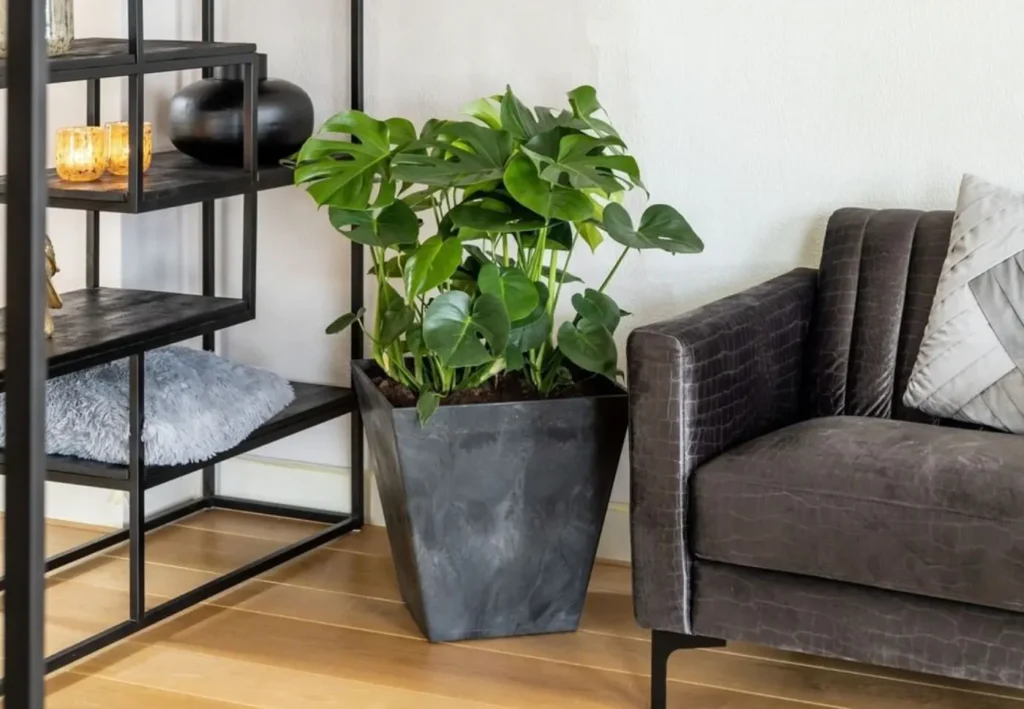
How Wickless Self Watering Planters Work
Instead of using a fabric wick, these planters rely on other methods to transfer water.
Soil-based wicking (capillary action)
The soil itself pulls water upward when it’s in contact with a moist area or column connected to the reservoir.
Wicking columns or feet
Some planters include built-in structures that extend into the water reservoir and allow soil to draw moisture directly.
Sub-irrigation systems
Water sits below the soil, and the lower layer stays consistently moist, gradually supplying water upward.
These systems eliminate the need for a separate wick while still maintaining steady moisture.
Benefits of Wickless Systems
Using a self watering planter without a wick has a few advantages.
Less maintenance
No wick means nothing to replace, clean, or reposition.
More consistent performance over time
Wicks can wear out or clog, while built-in systems are often more durable.
Better for larger planters
Wickless designs can distribute water more evenly in bigger containers.
These features make wickless systems popular in many modern planter designs.
When You Might Still Need a Wick
Even though wickless systems work well, there are situations where a wick is helpful.
- Small planters with limited soil depth
- DIY setups without built-in wicking structures
- Plants that need very precise moisture control
In these cases, a wick can improve water movement and consistency.
Top Watering Still Matters
Regardless of whether your planter uses a wick or not, top watering is still important—especially at the beginning.
Watering from the top helps:
- Fully hydrate the soil
- Start the wicking process
- Remove air pockets
If you’re unsure when and how to water, see Should you water from the top or bottom in self watering planters, which explains best practices for both methods.
Common Mistakes with Wickless Systems
Even without a wick, problems can still occur.
Using dense soil
Heavy soil can block water movement and reduce effectiveness.
Poor planter setup
If the soil doesn’t properly contact the wicking area, moisture won’t transfer.
Overfilling the reservoir
Too much water can lead to overly saturated soil.
Choosing the right soil mix and setting up the planter correctly are key to success.
Final Thoughts
So, can you use a self watering planter without a wick system? Absolutely. Many modern designs rely on soil-based or structural wicking instead of fabric wicks, and they can perform just as well—or even better.
The most important factor isn’t whether you use a wick, but whether your system allows consistent, balanced moisture to reach plant roots. With the right setup, both wick and wickless planters can support healthy indoor plants.
FAQ
Do all self watering planters use wicks?
No. Many use soil-based wicking or built-in structures instead.
Are wickless planters better?
Not necessarily—they’re just different. Both systems can work well depending on the setup.
Can you remove the wick from a planter?
Only if the planter design supports wickless operation. Otherwise, removing it may stop water flow.