
If the wick in a self watering planter stops working, the entire system essentially stops delivering water to the soil. Even if the reservoir is full, your plant may begin to dry out because moisture is no longer being pulled upward.
Wicks are a critical part of many self watering systems. They act as the bridge between the water reservoir and the soil, using capillary action to move moisture where it’s needed. When that process fails, the planter behaves more like a regular pot sitting above a water container.
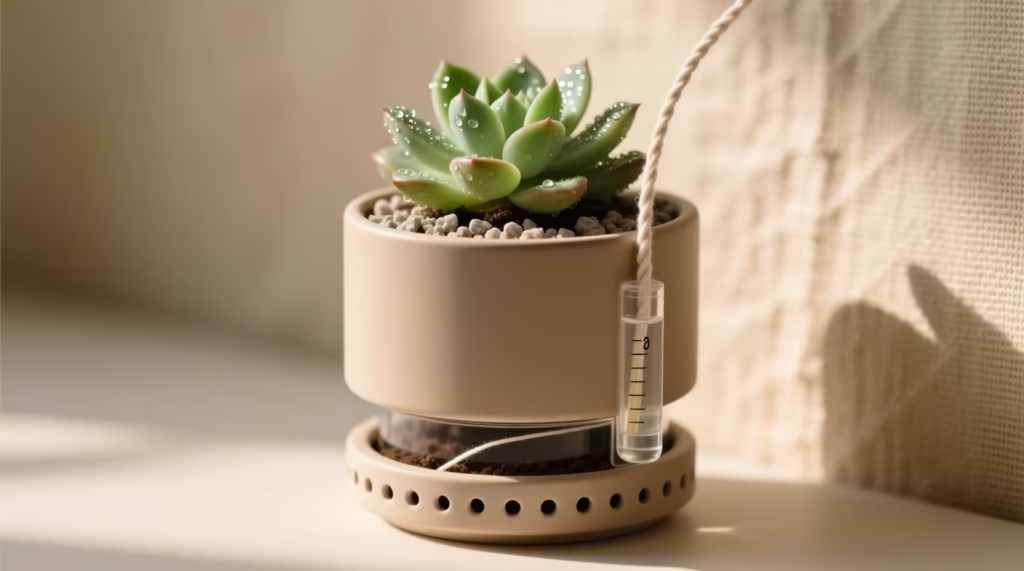
Signs the Wick Is Not Working
It’s not always obvious at first, but there are a few clear signs that something is wrong.
Dry soil despite a full reservoir
This is the most common symptom. The plant isn’t receiving water even though it’s available.
Wilting or drooping leaves
Plants may show signs of underwatering.
Reservoir water level stays the same
If the water isn’t decreasing over time, it’s likely not being absorbed.
These signs usually point to a breakdown in the wicking process.
Why Wicks Stop Working
There are several reasons why a self watering planter wick may stop working.
Wick dried out completely
If the wick loses moisture, it can stop pulling water until rehydrated.
Clogging from soil or minerals
Over time, debris or fertilizer salts can block water flow.
Poor contact with soil or water
If the wick shifts out of position, it may no longer function properly.
Low-quality material
Some materials lose their absorbency over time.
If you’re dealing with water movement issues in general, you may also want to check Why Is Water Not Absorbing in My Self Watering Planter?, which covers related problems.
How to Fix a Non-Working Wick
The good news is that most wick issues are easy to fix.
Rehydrate the wick
Remove it and soak it in water until fully saturated.
Clean or replace the wick
If it’s clogged or worn out, replacing it is often the simplest solution.
Check positioning
Make sure one end is fully submerged in water and the other is in firm contact with the soil.
Improve soil contact
Lightly pack soil around the wick to ensure good moisture transfer.
These steps can usually restore normal function quickly.
Preventing Wick Problems
A few simple habits can help prevent wick failure in the future.
- Avoid letting the reservoir run completely dry
- Use clean water when possible
- Rinse the system occasionally to reduce buildup
- Choose durable, absorbent wick materials
Regular maintenance keeps the system working efficiently over time.
When to Consider Other Fixes
Sometimes the problem isn’t just the wick.
If your planter is still watering incorrectly after fixing the wick, you may need to check:
- Soil composition
- Planter design
- Water flow rate
For example, if your system is delivering too much water instead of too little, see How to Fix a Self Watering Planter That Is Watering Too Fast for additional solutions.
Final Thoughts
If the wick in your self watering planter stops working, your plant may quickly become dehydrated even with a full reservoir. Fortunately, most wick issues are easy to identify and fix with simple adjustments or replacements.
Keeping the wick clean, properly positioned, and consistently moist will help ensure your planter continues delivering water effectively.
FAQ
Can a wick stop working permanently?
Yes. Over time, wicks can wear out or clog and may need to be replaced.
How often should you replace a wick?
It depends on the material, but many last several months to a year with proper care.
Is it better to use multiple wicks?
For larger plants, using more than one wick can improve water distribution.