
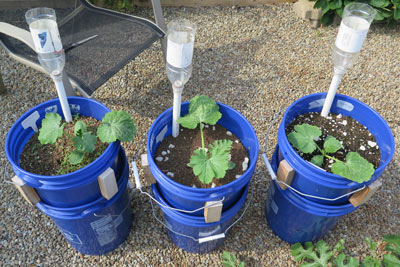
Self watering planters are designed to keep soil consistently moist, so it can be confusing when the soil feels dry even though the reservoir is full. If your self watering planter is dry but the reservoir is full, it usually means the wicking system is not working properly or the soil is not drawing water upward.
These containers rely on capillary action to move water from the reservoir into the soil. When something interrupts that process, the soil can stay dry even while plenty of water sits below.
The good news is that this issue is usually easy to fix once you identify the cause.
The Soil Was Never Fully Saturated
One of the most common reasons this happens is that the soil was not properly watered when the plant was first placed in the container.
Self watering planters do not automatically hydrate completely dry soil. The soil must be initially watered from the top so the wicking process can begin.
If this step is skipped, the soil may stay dry and never start pulling moisture from the reservoir. In this case, simply watering thoroughly from the top often solves the problem.
The Wicking System Is Not Working
Most self watering planters use a wick, soil column, or wicking foot to pull water upward. If this part is blocked or not positioned correctly, water cannot reach the soil.
Possible issues include:
- The wick is not touching the water reservoir
- The wick dried out and stopped pulling water
- Soil is not packed firmly around the wicking column
When the wick fails, the planter behaves like a normal pot with a water tray below it.
If you suspect a wicking issue, it may help to check a related troubleshooting guide: Why Is Water Not Absorbing in My Self Watering Planter?
The Soil Mix Is Too Hydrophobic
Certain soil mixes repel water when they become completely dry. This is common with peat-heavy potting soils.
When this happens, the soil does not absorb water easily, even when the reservoir is full.
Signs of hydrophobic soil include:
- Water running down the sides of the pot
- Soil shrinking away from the edges
- Soil staying dry on the surface
The fix is usually to slowly rehydrate the soil with top watering until it begins absorbing moisture normally again.
It May Take Time for the System to Start
Another possibility is that the planter simply hasn’t started wicking yet. In new setups, the process can take time before moisture moves evenly through the soil.
In some cases, it may take several hours or even a day before the soil begins drawing water consistently.
If you’re unsure how long the process should take, you can learn more in How Long Does It Take for a Self Watering Planter to Start Working?
The Plant Is Using Water Faster Than Expected
In bright light or warm indoor environments, plants may use water quickly. If the reservoir is small, the soil may temporarily feel dry before the system balances out.
Fast-growing plants or large tropical species can sometimes pull moisture from the soil faster than the wick replenishes it.
Refilling the reservoir regularly and using an appropriate soil mix can help maintain consistent moisture levels.
Final Thoughts
If your self watering planter is dry but the reservoir is full, the issue usually comes down to soil hydration, wicking problems, or soil that is repelling water.
Most of the time, the solution is simple: water the soil from the top once, ensure the wick is functioning, and make sure the soil mix can absorb moisture properly. Once the system begins working as intended, self watering planters can provide steady hydration with very little maintenance.
FAQ
Should the soil always feel wet in a self watering planter?
No. The soil should feel lightly moist, not soaking wet. Slight dryness at the top layer is normal.
Do self watering planters need top watering?
Yes, especially when first setting up the planter or when the soil becomes completely dry.
Can the wick stop working over time?
Yes. Wicks can dry out, clog, or shift position, which may stop water from reaching the soil.