
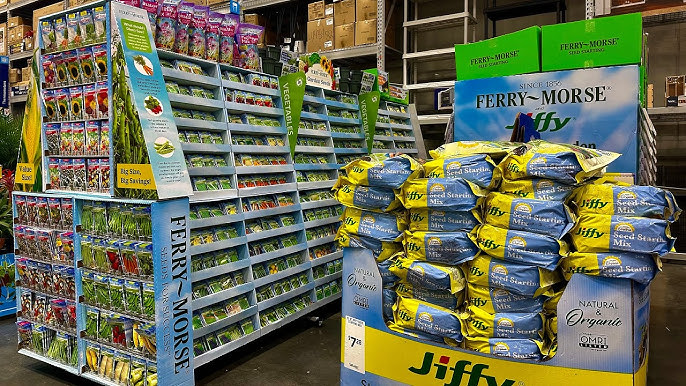
Starting seeds indoors is one of the most rewarding parts of gardening — but choosing the right seed starting mix can make or break your success. Many gardeners consider Lowe’s seed starting mix because it’s easy to find and usually affordable. But is it actually good for germination, and are there better alternatives depending on your setup?
In this review, we’ll look at how Lowe’s seed starting mix performs, its pros and downsides, and when you might want to consider other options instead.
What Is Seed Starting Mix (And How Is It Different from Potting Soil)?
Before diving into the review, it helps to understand what seed starting mix is designed for.
Unlike regular potting soil, seed starting mix is:
- Lightweight and airy
- Fine-textured for delicate roots
- Usually low in nutrients
- Designed for moisture retention without compaction
Seeds need oxygen and consistent moisture to germinate properly. Heavy soil can suffocate young roots, which is why specialized mixes exist.
Overview: Lowe’s Seed Starting Mix
Lowe’s typically carries several seed starting mixes depending on location and season, including store-brand options and well-known brands.
In general, Lowe’s seed starting mixes share these characteristics:
- Fine, lightweight texture
- Good water retention
- Usually peat moss or coco coir based
- Minimal or no fertilizer added
These features make them beginner-friendly and easy to work with.
Pros of Lowe’s Seed Starting Mix
1. Easy Availability
One of the biggest advantages is accessibility. If you need soil quickly, Lowe’s is a convenient option compared to specialty garden suppliers.
2. Beginner-Friendly Texture
Most mixes are soft and loose, making it easier for seeds to push through the surface during germination.
3. Affordable Price
Compared to premium organic blends, Lowe’s seed starting mixes are often budget-friendly, which is helpful when starting many seedlings at once.
4. Consistent Performance
For basic vegetables, herbs, and flowers, the performance is generally reliable when watering and lighting are managed properly.
Potential Downsides
No product is perfect, and Lowe’s seed starting mix has some limitations.
Moisture Control Can Be Tricky
Peat-heavy mixes may stay wet longer than expected. Overwatering can lead to fungus gnats or damping-off disease.
Limited Nutrients
This is intentional — but it means seedlings will eventually need fertilizer or transplanting into richer soil.
Quality May Vary by Brand
Because Lowe’s sells multiple brands, consistency can vary depending on which product you purchase.
How It Performs for Different Plants
Vegetables
Tomatoes, peppers, lettuce, and herbs usually germinate well in lightweight mixes.
Flowers
Most annual flowers do fine, especially small seeds that need fine-textured soil.
Houseplants
Seed starting mix works for propagation but may lack structure for long-term growth.
Lighting Matters More Than You Think
Many gardeners blame seed starting mix when seedlings grow tall and weak — but lighting is often the real issue.
Seedlings require strong, consistent light to grow compact and healthy. Even a good mix won’t prevent leggy growth if lighting conditions are poor.
If you’re unsure whether your indoor setup provides enough light, this guide on Best Light Conditions for Self Watering Planters Indoors explains how light intensity, placement, and duration affect plant growth — and these same principles apply to seed starting trays.
Alternatives to Lowe’s Seed Starting Mix
Depending on your goals, you may prefer other options.
Premium Organic Seed Starting Mix
Pros:
- Often better aeration
- Higher-quality ingredients
- Improved moisture balance
Good for gardeners seeking more consistent results.
Coco Coir-Based Mix
Pros:
- Renewable material
- Excellent moisture control
- Lightweight
Especially useful for indoor gardening setups.
DIY Seed Starting Mix
Many gardeners mix their own blend:
- Coco coir or peat moss
- Perlite or vermiculite
- Compost (small amount)
DIY mixes allow customization based on climate and plant type.
When Lowe’s Seed Starting Mix Is the Right Choice
Choose it if:
- You want an affordable option
- You’re starting common vegetables or herbs
- You need something easily available locally
- You’re new to indoor seed starting
When to Consider Alternatives
You might prefer another mix if:
- You struggle with overwatering
- You want fully organic or specialty blends
- You’re growing sensitive or rare plants
- You want more control over soil structure
Tips for Better Results (Regardless of Mix)
Even the best soil needs proper care.
- Avoid overwatering — keep soil moist, not soaked
- Use strong lighting immediately after germination
- Provide airflow to prevent mold issues
- Bottom-water trays when possible
FAQ
Is Lowe’s seed starting mix good for beginners?
Yes. It’s simple to use and widely available, making it a solid starting point.
Do you need fertilizer with seed starting mix?
Eventually yes. Most mixes are low in nutrients to avoid burning young roots.
Can you reuse seed starting mix?
Sometimes, but sterilizing or refreshing it helps reduce disease risk.
Why are my seedlings leggy even with good soil?
Lighting is often the main cause. Seedlings need bright, consistent light.
Final Thoughts
Lowe’s seed starting mix is a practical and accessible choice for many gardeners. While it may not offer premium ingredients or advanced formulations, it provides a reliable foundation for germination when paired with proper watering and good lighting.
Ultimately, success with seed starting depends less on finding the “perfect” mix and more on creating the right growing environment. If your seedlings have adequate light, airflow, and consistent moisture, even a simple mix can produce strong, healthy plants ready for transplanting.