
Self watering planters have become increasingly popular among indoor gardeners, busy plant owners, and beginners who want healthier plants with less daily maintenance. At first glance, these planters may seem almost “automatic,” but their function is based on a surprisingly simple and natural principle. In this article, we’ll explain how self watering planters work, what components they use, and why they help plants receive water more consistently than traditional pots.
We’ll also cover common misconceptions, limitations, and whether they are suitable for growing indoor herbs.
What Is a Self Watering Planter?
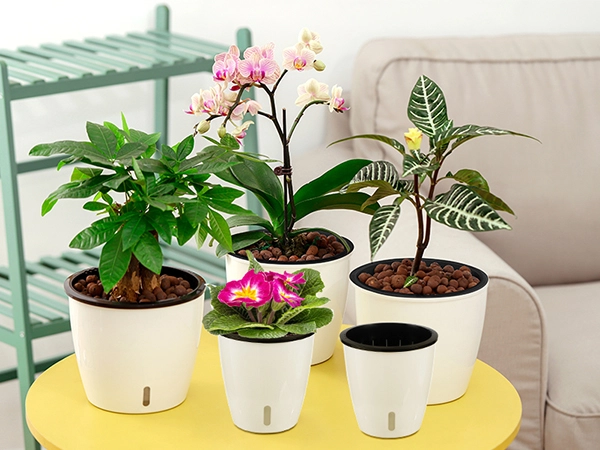
A self watering planter is a container designed to supply water to a plant gradually, as the plant needs it, rather than all at once. Unlike a regular flower pot that requires frequent top watering, a self watering planter includes a built-in water reservoir that stores extra water below the soil.
These planters are commonly used for indoor plants, balcony gardens, herbs, and even some vegetables. Their main purpose is to maintain consistent soil moisture while reducing the risk of overwatering or underwatering.
The key difference from a standard pot is where the water comes from. In a traditional pot, water is poured from the top and drains out quickly. In a self watering planter, water is absorbed upward from the reservoir, allowing plant roots to access moisture gradually over time.
Main Components of a Self Watering Planter
While designs vary, most self watering planters rely on the same core components working together.
Water Reservoir
The water reservoir is located at the bottom of the planter, separate from the soil. Its purpose is to store water so the plant can access it over several days or even weeks.
Depending on the size of the planter and the plant’s needs, the reservoir may hold anything from a small amount of water to several liters. Many planters also include a fill hole or water level indicator to show when refilling is needed.
Wicking System
The wicking system is what moves water from the reservoir to the soil. This is usually done using a wick, column, or porous material that allows water to travel upward through capillary action.
As the soil dries, the wick pulls moisture upward from the reservoir. When the soil is sufficiently moist, the water movement slows down naturally. This self-regulating behavior is what makes the system effective without electronics or pumps.
Soil and Plant Roots
The soil plays a critical role in how well a self watering planter works. Light, well-aerated soil allows water to spread evenly and prevents saturation.
Plant roots grow toward areas where moisture is available. In a self watering system, roots gradually extend downward, accessing water as needed without sitting in standing water. This balance between moisture and air is essential for healthy root development.
How the Self Watering Mechanism Works (Step by Step)
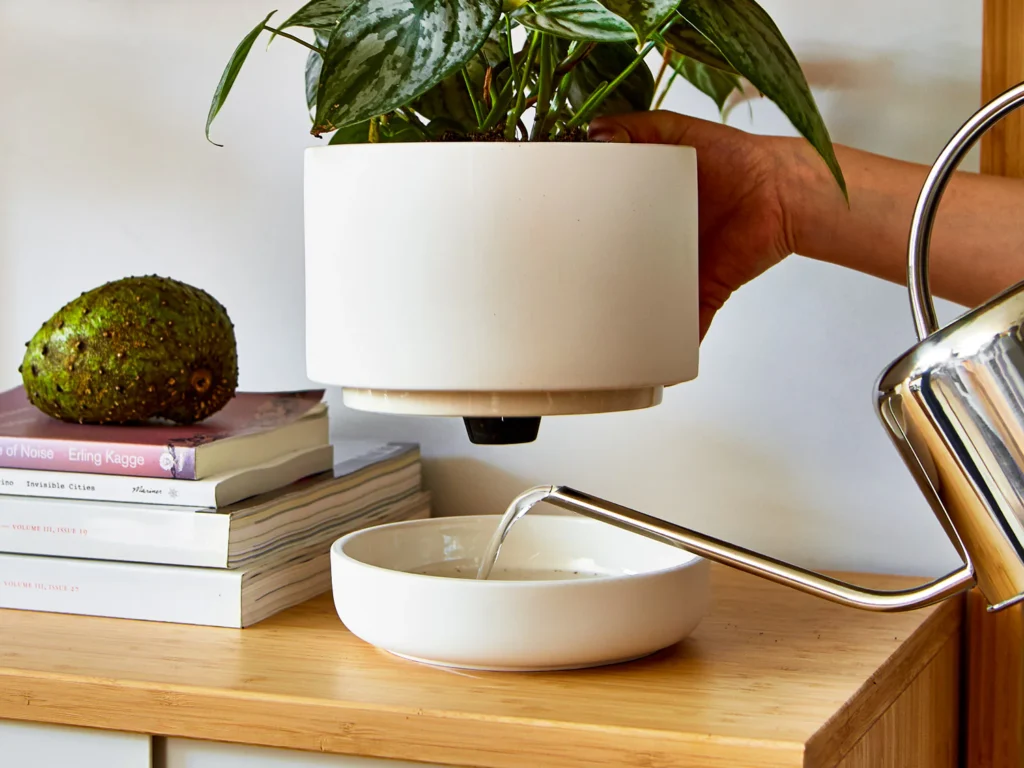
Understanding the process is easier when broken into simple steps.
First, water is poured into the reservoir through a designated opening. This water stays separate from the soil and does not flood the roots directly.
Next, the wicking system begins to draw water upward. Using capillary action, moisture slowly moves from the reservoir into the soil above. This process happens gradually and continuously.
As the plant uses water through its roots, the surrounding soil begins to dry slightly. This dryness triggers more water to be pulled upward through the wick.
The roots absorb moisture as needed, without being submerged. When the soil is moist enough, the movement of water naturally slows down, preventing excess saturation.
This cycle repeats automatically, allowing the plant to regulate its own water intake with minimal effort from the gardener.
How Self Watering Planters Prevent Overwatering
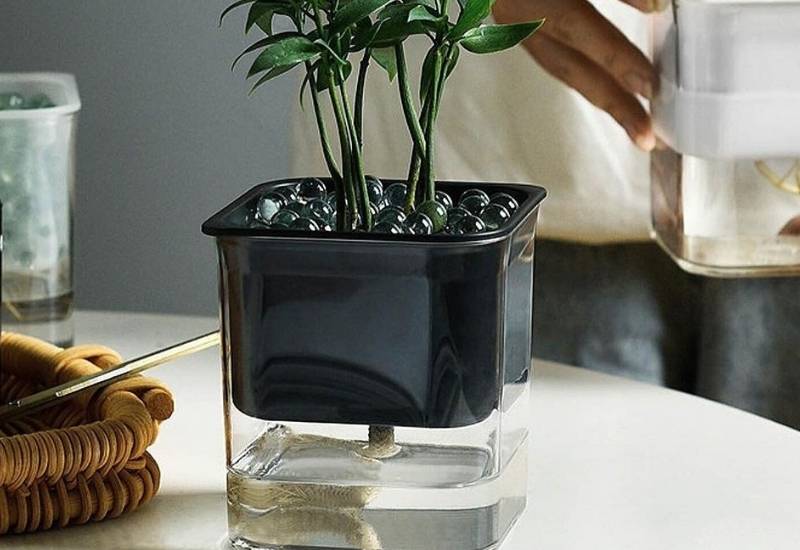
One of the biggest advantages of self watering planters is their ability to reduce overwatering.
Because water is delivered from the bottom up, plant roots are never sitting directly in pooled water. Excess moisture remains in the reservoir, not in the root zone.
Air pockets within the soil provide oxygen to the roots, which helps prevent rot and fungal problems. Proper drainage design ensures that roots receive both water and air at the same time.
Unlike top watering, where it’s easy to add too much water at once, self watering systems supply moisture slowly and only when the soil needs it. This creates a more stable environment for plant growth.
Are Self Watering Planters Good for Indoor Herbs?
In most cases, yes — self watering planters work well for indoor herbs, but with some considerations.
Herbs such as basil, mint, and parsley generally prefer evenly moist soil rather than extreme dryness. A self watering planter helps maintain that balance, especially in indoor environments with dry air or inconsistent watering schedules.
However, not all herbs have the same needs. Some prefer slightly drier conditions and may require careful soil selection to avoid excess moisture.
If you’re interested in choosing the right option, you can explore this detailed guide:
Best Self Watering Planters for Indoor Herbs
Common Misconceptions About Self Watering Planters
A common myth is that plants “water themselves completely.” In reality, these planters still require periodic refilling and monitoring.
Another misconception is that self watering planters work forever without maintenance. Reservoirs must be refilled, and soil quality still matters.
Some people also believe that any type of soil will work. In fact, heavy or compacted soil can block airflow and reduce the effectiveness of the wicking system. Using the right substrate is essential.
When a Self Watering Planter Might Not Be the Best Choice
Self watering planters are not ideal for every situation.
Succulents and cacti, for example, prefer dry conditions and may suffer from constant moisture. Poor-quality soil or very cheap planter designs can also cause water imbalance.
In outdoor environments with heavy rain, self watering planters may hold too much water if not designed with overflow protection.
Understanding these limitations helps set realistic expectations and builds long-term success.
Conclusion
Self watering planters work by combining a water reservoir, a wicking system, and properly structured soil to deliver moisture gradually and consistently. This design helps plants stay hydrated without drowning their roots.
While they are not a universal solution for every plant type, self watering planters can significantly reduce maintenance and improve plant health when used correctly. By understanding how they work, you can decide whether they fit your gardening needs and growing conditions.