
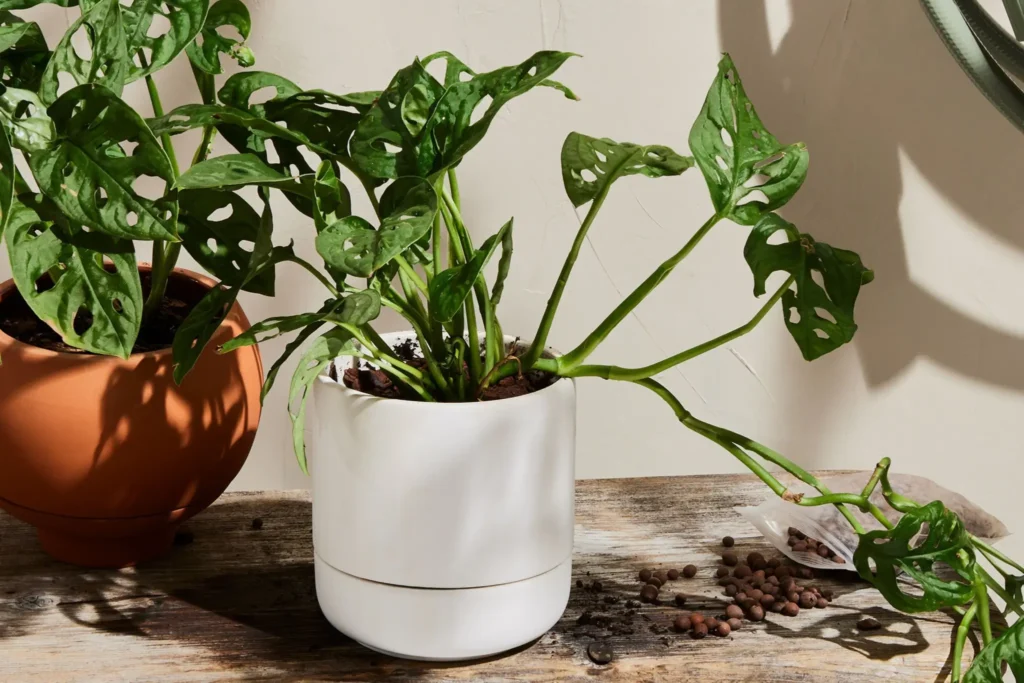
How do you clean a self watering planter properly?
Short answer: empty the reservoir, remove the plant and soil, wash all parts with warm water and mild soap, then disinfect the water chamber to remove algae and bacteria. Regular cleaning every few weeks prevents mold, odors, fungus gnats, and root problems while keeping plants healthy.
Self watering planters are convenient, efficient, and perfect for busy plant owners. But many people forget one important thing: they still need regular cleaning. A dirty water reservoir can quietly become a breeding ground for algae, mold, bacteria, and insects — all of which can harm your plants over time.
In this guide, you’ll learn exactly how to clean a self watering planter properly, how often to do it, what tools to use, and how to prevent problems before they start. Whether you’re dealing with cloudy water, green slime, bad smells, or tiny flies, this step-by-step method will help you keep your planter safe and healthy.
Why Cleaning a Self Watering Planter Is Important
Self watering planters constantly hold moisture, organic debris, and nutrients — the perfect environment for microorganisms. Without regular cleaning, several problems can develop:
- Organic buildup from fertilizer, salts, and decomposing roots
- Bacteria and fungi growing inside the reservoir
- Algae formation from light exposure and standing water
- Odors caused by anaerobic bacteria
- Fungus gnats breeding in dirty, wet conditions
Over time, dirty reservoirs can lead to:
- Poor oxygen flow to roots
- Nutrient imbalance
- Root rot and plant stress
- Increased pest activity
If you’re worried about long-term root health, see also: Do Self Watering Planters Cause Root Rot?
Regular cleaning protects both the planter and the plant — and prevents small issues from turning into serious problems.
How Often Should You Clean a Self Watering Planter?
There’s no single schedule that fits every plant, but these general guidelines work well for most situations.
| Situation | Recommended Cleaning |
|---|---|
| Active growing season (spring–summer) | Every 2–4 weeks |
| Each full reservoir refill | Quick rinse and inspection |
| New plant installation | Always clean before planting |
| Winter or dormant period | Every 6–8 weeks |
Signs your planter needs cleaning
- Cloudy or slimy water in the reservoir
- Green film on plastic walls
- Bad or sour smell
- Mold on soil surface
- Fungus gnats appearing
- Slow plant growth or yellowing leaves
If you refill often, check this guide: How Often to Refill a Self Watering Planter
What You Need Before Cleaning
Prepare simple, plant-safe tools before you begin.
Cleaning supplies
- Soft sponge or cloth
- Warm water
- Mild dish soap (unscented)
- Small brush or old toothbrush
- White vinegar or 3% hydrogen peroxide
- Clean towel or paper towels
What not to use
Avoid these materials, which can damage plastic or harm plants:
- Bleach (strong residue, root damage risk)
- Abrasive sponges or steel wool
- Strong chemical cleaners
- Very hot or boiling water
- Scented detergents
Gentle cleaning protects both the planter surface and the plant’s root system.
Step-by-Step: How to Clean a Self Watering Planter
This is the safest and most effective method for deep cleaning.
Step 1: Remove the Plant and Empty the Reservoir
Carefully lift the inner pot or plant insert out of the outer container. Support the root ball with one hand if needed.
- Pour out all standing water
- Discard old nutrient solution
- Gently shake loose soil from the bottom
If roots are tightly woven into the wick or insert, loosen them slowly to avoid tearing.
Step 2: Disassemble the Planter
Separate all removable parts:
- Inner pot
- Outer reservoir
- Wicks or water columns
- Overflow tubes or indicators
Disassembly allows you to clean hidden corners where bacteria and algae usually grow.
Step 3: Wash All Parts
Using warm water and mild soap:
- Wash inner and outer containers
- Scrub grooves, seams, and drainage areas
- Clean wicks and tubes gently
Pay special attention to the reservoir walls and bottom — this is where biofilm forms first.
Rinse thoroughly until no soap remains.
Step 4: Disinfect the Water Reservoir
To remove bacteria, algae, and lingering odors, disinfect gently.
Option 1: Vinegar solution
Mix 1 part white vinegar with 3 parts water. Soak reservoir and plastic parts for 10–15 minutes.
Option 2: Hydrogen peroxide
Use undiluted 3% peroxide. Pour into the reservoir, let sit for 10 minutes, then drain.
Avoid bleach unless absolutely necessary, and rinse extremely well if used.
Step 5: Rinse and Dry Completely
Rinse every part with clean water multiple times.
- No chemical smell should remain
- Let parts air dry fully
- Wipe moisture from hidden crevices
Drying prevents immediate bacterial regrowth.
Step 6: Reassemble and Replant
Once everything is clean and dry:
- Reassemble all components
- Inspect wicks and replace if deteriorated
- Replant using fresh, well-draining soil
- Refill with clean water only
Your planter is now safe for healthy growth.
How to Remove Algae, Mold, and Odors
Different problems require slightly different approaches.
Algae in the Reservoir
Causes:
Light exposure, warm water, fertilizer residue
Solutions:
- Clean with vinegar or peroxide
- Reduce light reaching the reservoir
- Empty standing water more often
Prevention:
- Use opaque containers
- Refill with fresh water only
- Avoid overfertilizing
Mold on the Soil Surface
Causes:
Poor airflow, constant moisture, organic debris
Solutions:
- Remove affected topsoil
- Improve ventilation
- Let the surface dry slightly between refills
Prevention:
- Use well-aerated potting mix
- Avoid overfilling the reservoir
Bad Smell from Standing Water
Causes:
Anaerobic bacteria, decomposing roots, stagnant water
Solutions:
- Empty reservoir immediately
- Disinfect with peroxide
- Rinse thoroughly
Prevention:
- Never leave old water too long
- Clean at each refill cycle
Can You Clean a Self Watering Planter Without Removing the Plant?
Sometimes yes — but only for light maintenance.
When it’s safe
- No visible mold or algae
- No bad smell
- Plant is sensitive to disturbance
- Only minor residue present
Quick cleaning method
- Empty the reservoir completely
- Rinse the chamber with warm water
- Pour diluted vinegar (1:5) into reservoir
- Let sit 5 minutes
- Drain and rinse thoroughly
- Refill with fresh water
When not to do this
- Heavy algae growth
- Mold present
- Strong odor
- Root rot symptoms
In those cases, full disassembly is necessary to protect the plant.
Common Cleaning Mistakes to Avoid
Many problems come from well‑intentioned but harmful habits.
- Using bleach — leaves toxic residue for roots
- Very hot water — warps plastic and damages parts
- Incomplete rinsing — soap burns roots
- Cleaning too rarely — bacteria build silently
- Ignoring wicks and tubes — hidden contamination
How to Keep a Self Watering Planter Clean Longer
Good habits reduce how often deep cleaning is needed.
Refill habits
- Always empty old water before refilling
- Rinse the reservoir lightly each time
- Avoid topping off endlessly
Soil choice
- Use airy, fast‑draining mixes
- Avoid heavy garden soil
- Remove decaying roots promptly
Airflow
- Provide ventilation near the soil surface
- Avoid overcrowding plants
- Let the top layer dry slightly
Regular inspection
- Check water clarity weekly
- Smell the reservoir occasionally
- Look for early algae film
FAQ
How often should you clean a self watering planter?
Most planters should be cleaned every 2–4 weeks during active growth, and at least once before replanting. Light rinsing at every refill helps prevent buildup.
Can dirty reservoirs cause root rot?
Yes. Dirty water reduces oxygen, promotes harmful bacteria, and can damage roots over time. This increases the risk of root rot, especially in warm conditions.
Is vinegar safe for cleaning planters?
Yes, when diluted and rinsed thoroughly. Vinegar removes mineral deposits, algae, and bacteria without leaving harmful residue when used correctly.
Should you clean before replanting?
Always. Old bacteria, salts, and fungi can infect new roots quickly. Cleaning before replanting is one of the best ways to prevent early plant stress.
Can algae harm plants?
Indirectly, yes. Algae reduces oxygen levels, signals stagnant water, and often accompanies bacteria growth that weakens roots over time.
Keeping your self watering planter clean is one of the simplest ways to protect your plants from hidden problems. With regular maintenance and gentle cleaning, your planter will stay fresh, odor‑free, and safe for healthy growth year after year.