
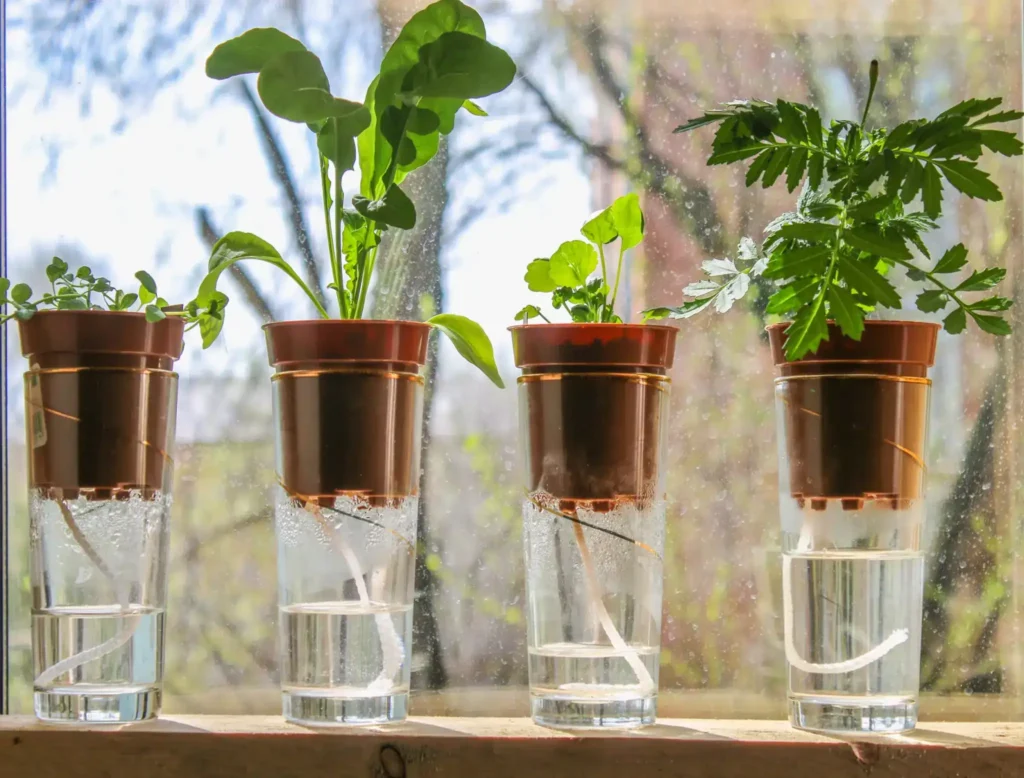
Introduction
If you’ve ever searched for how often to refill a self watering planter, you’ve probably noticed one frustrating thing: there is no single, clear answer. Some people say every few days, others say once a week, and a few claim they barely refill at all. For beginners growing indoor plants or herbs, this can easily trigger anxiety — “Am I doing this wrong?”
The truth is, that uncertainty is completely normal. A self watering planter doesn’t work like a traditional watering schedule. Instead of pouring water on a fixed day, you’re managing a water reservoir that responds to the plant, the environment, and the planter itself.
This article won’t ask you to guess or follow rigid rules. Instead, it will help you understand why refill frequency varies, what signals actually matter, and how to build confidence by observing your planter — not the calendar.
Why Refill Frequency Is Different for Every Planter
One of the biggest misconceptions about self watering planters is that they operate on a predictable timeline, like “refill every 7 days.” In reality, that approach doesn’t match how these systems work.
The refill frequency depends on how quickly water moves from the reservoir into the soil and then into the plant. That process changes based on planter size, plant type, and indoor conditions. Two identical planters placed in different rooms can need refilling at very different times.
This variability isn’t a mistake or a failure. It’s simply how passive watering systems respond to real-world conditions. Once you accept that there’s no universal schedule, caring for an indoor self watering planter becomes much less stressful — and much more intuitive.
Key Factors That Affect How Often You Need to Refill
Plant Type (Herbs vs Houseplants)
Different plants use water at very different rates. Fast-growing herbs like basil or mint typically consume water more quickly than many decorative houseplants. Leafy plants with soft growth tend to transpire more, pulling moisture from the soil faster. Slower-growing houseplants may sip water gradually, meaning the reservoir lasts longer. This is one of the biggest reasons refill timing varies so widely.
Planter Size and Reservoir Volume
A small planter with a shallow reservoir will naturally need more frequent refills than a larger container. Even if the plant is small, limited water storage means the reservoir empties sooner. Larger self watering planters provide a buffer, allowing longer intervals between refills. When comparing refill frequency, planter size matters just as much as the plant itself.
Indoor Temperature and Humidity
Warm, dry indoor air increases water usage. In heated rooms or spaces with air conditioning, moisture evaporates faster from both soil and leaves. Higher humidity slows this process. If your indoor environment changes throughout the year, your watering frequency will change with it — even if everything else stays the same.
Light Exposure (Windowsill vs Indirect Light)
Plants placed on bright windowsills usually use water faster than those in indirect light. More light encourages photosynthesis and growth, which increases water demand. A planter in strong light may need refilling noticeably sooner than the same planter placed a few feet away from the window.
Growth Stage of the Plant
Young or newly transplanted plants often use less water at first. As roots establish and foliage expands, water consumption increases. This means refill frequency can change over time, even without changing the planter or location. A refill routine that worked last month may feel off simply because the plant is growing.
Season (Summer vs Winter)
Seasonal changes affect indoor plants more than many people expect. In summer, longer days and warmer temperatures increase water use. In winter, growth often slows, and evaporation decreases. As a result, you may refill a self watering planter much less often during colder months.
Typical Refill Ranges (What Most People Experience)
While there’s no universal rule, many indoor gardeners notice refill patterns that fall into broad ranges. These are examples, not promises:
- Every few days for small planters with thirsty plants in bright light
- About once a week for medium-sized planters in stable indoor conditions
- Once every 10–14 days for larger reservoirs or slower-growing plants
These ranges are meant to provide reassurance, not a strict target. If your planter doesn’t match one of these patterns, that doesn’t mean something is wrong. The most reliable approach is always to watch the plant and the water level, not the calendar.
Signs Your Self Watering Planter Needs Refilling
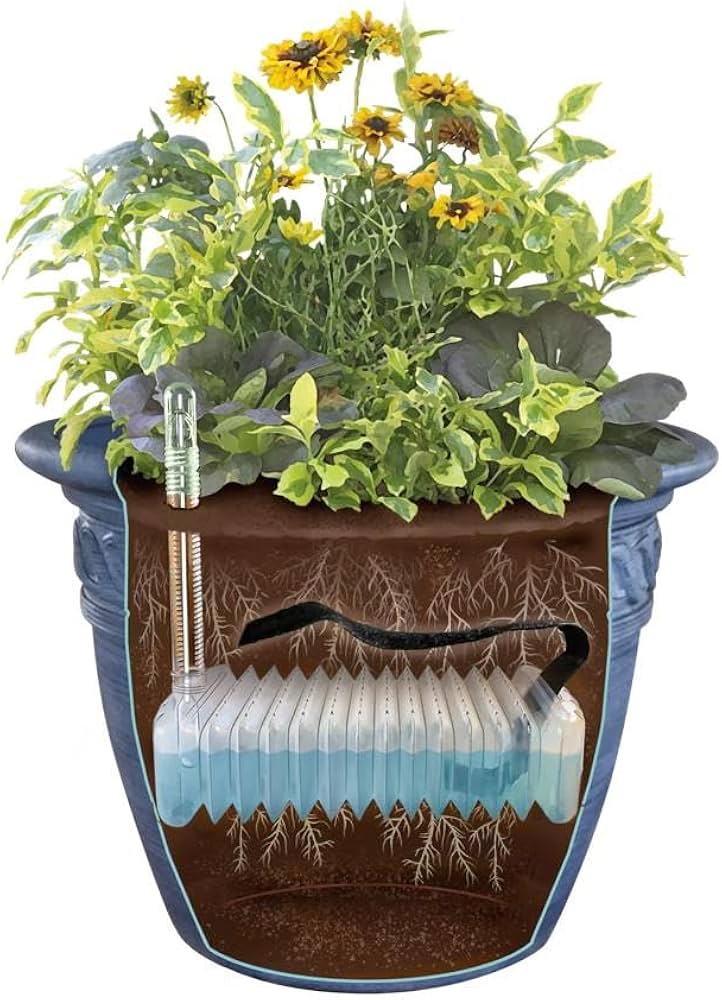
Instead of guessing, your planter and plant give subtle signals when it’s time to refill.
- Visible water level indicator shows the reservoir is low or empty
- Soil feels dry near the surface, even if deeper layers are still moist
- Plant growth slows, especially during active growing seasons
- Leaves lose firmness, appearing less perky without dramatic wilting
These signs suggest it’s time to check the reservoir, not panic. Self watering systems are designed to give you a buffer, so mild dryness is often part of the normal cycle.
Signs You’re Refilling Too Often
Overfilling is a common concern — and it happens to many people, especially beginners.
- The reservoir is constantly full and rarely drops
- Soil feels soggy or heavy instead of evenly moist
- Leaves begin yellowing, especially older ones
- The plant shows little or no new growth
These signs don’t mean you’ve ruined anything. They usually indicate that the plant isn’t using water as fast as you’re adding it. Simply allowing the reservoir to drop before refilling often resolves the issue.
How to Build a Simple Refill Routine
A refill routine doesn’t need to be rigid. In fact, flexibility is what makes it effective.
Many people find it helpful to check the water level on specific days, such as twice a week, without committing to refilling every time. This builds awareness without forcing action. Refilling partially instead of always filling the reservoir to the top can also help you respond more naturally to the plant’s needs.
As seasons change, your routine should adapt. What works in summer may feel excessive in winter. The goal isn’t automation — it’s familiarity. Over time, you’ll recognize your planter’s rhythm without consciously tracking days.
Does Refill Frequency Change for Herbs?
Yes, often. Herbs tend to use water faster than many common houseplants, especially when actively growing. They’re frequently planted in smaller containers, which means the reservoir empties more quickly.
If you’re growing herbs indoors, you may notice shorter refill intervals and more visible changes in water level. This is normal and expected. For a deeper look, you might find these related guides helpful:
👉 Best Herbs for Self Watering Planters
👉 Are Self Watering Planters Good for Herbs?
Conclusion
There is no single “correct” answer to how often to refill a self watering planter — and that’s not a problem. Refill frequency depends on the plant, the planter, and the environment working together.
By focusing on observation instead of fixed schedules, you reduce stress and make better decisions over time. Self watering planters simplify plant care, but they don’t fully automate it.
Consistency comes from understanding your planter, not from following a fixed schedule.