
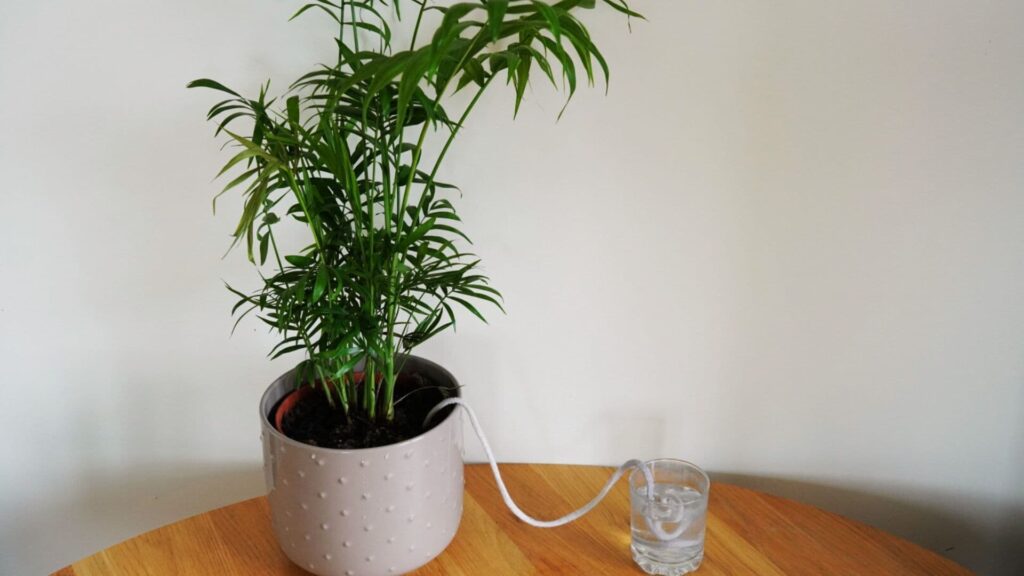
How long can plants survive in a self watering planter without refill?
Short answer: most indoor plants can survive 5 to 14 days without a refill, depending on planter size, reservoir capacity, plant type, temperature, and light. Large self watering planters may support plants for several weeks, while small ones can run dry in just a few days.
Introduction
If you’re heading out of town, forgot to top up the reservoir, or just wondering how forgiving your self watering planter really is, you’re not alone. This is one of the most common (and anxiety-provoking) questions plant owners ask.
The good news: self watering planters are designed to buy you time. They won’t keep plants alive forever, but they do provide a buffer against missed watering.
In this guide, you’ll get realistic time ranges, what affects them, which plants last the longest, and how to stretch your self watering planter refill time safely.
How Self Watering Planters Store and Deliver Water
A self watering planter has a built-in water reservoir beneath the soil. Instead of watering from the top, water moves upward into the soil through:
- capillary action
- a wick
- or direct contact between soil and reservoir
This keeps moisture more consistent than traditional pots and prevents both overwatering and rapid drying.
How Long Can Plants Go Without Refill? (Realistic Time Ranges)
Here are real-world averages for how long plants can survive in a self watering planter without refill:
- Small planters (1–3L reservoir): 3–7 days
- Medium planters (4–8L reservoir): 7–14 days
- Large planters (10–20L+ reservoir): 14–30 days
These are guidelines, not guarantees. Your actual self watering planter duration depends on multiple factors like plant type, indoor temperature, soil, and light.
So if you’re asking, how long do self watering planters last? — the honest answer is: anywhere from a few days to a full month.
Factors That Affect How Long a Self Watering Planter Lasts
Size of the Reservoir
Bigger reservoir = longer survival time.
A tiny countertop planter simply can’t compete with a large floor planter.
Plant Type and Root Size
Large, fast-growing, or thirsty plants drain reservoirs much faster than small or drought-tolerant ones.
Temperature and Light
- Warm rooms increase evaporation and transpiration.
- Bright sunlight speeds up water loss.
- Cooler, shaded rooms conserve water.
Soil Type and Drainage
Light, airy mixes dry faster.
Dense or moisture-retentive soil extends refill time.
Best Soil for Self Watering Planters.
Indoor Humidity
Dry indoor air (especially in winter) shortens how long plants survive without water indoors.
How Full the Reservoir Was
Half-filled reservoir = half the survival time.
Which Plants Last the Longest Without Refill?
Some plants are naturally more forgiving in self watering planters.
Low-Water Plants
- Snake plant
- ZZ plant
- Aloe
- Succulents (with proper drainage)
These can often go 2–4 weeks without refill.
Herbs
- Rosemary
- Thyme
- Sage
They prefer drier soil and last longer than soft herbs like basil.
Tropical Plants
- Pothos
- Philodendron
- Dracaena
They usually survive 10–20 days, depending on light and temperature.
Leafy Greens
- Lettuce
- Spinach
Shorter lifespan: typically 5–10 days.
Which Plants Run Out of Water the Fastest?
Some plants will empty a reservoir surprisingly quickly.
Large Leafy Plants
- Fiddle leaf fig
- Monstera
- Rubber plant
High transpiration = fast water use.
Flowering Plants
- Peace lily
- African violet
- Orchids
They’re thirsty and sensitive to dryness.
Plants in Full Sun
Direct sunlight accelerates evaporation.
Shallow-Rooted Plants
They can’t access deeper moisture efficiently.
Signs Your Self Watering Planter Is About to Run Dry
Watch for these early warnings:
- The pot feels much lighter
- The water level indicator drops
- The soil surface feels dry
- Leaves start drooping or curling
- Growth slows noticeably
Catching this early can prevent plant stress.
What Happens If a Self Watering Planter Runs Dry?
First: your plant won’t die instantly.
What usually happens:
- Roots experience moisture stress
- Leaves wilt or yellow
- Growth slows
- In extreme cases, root damage occurs
Most plants recover if you refill within a few days.
Slowly re-hydrate the soil rather than flooding it.
How to Make Plants Last Longer Without Refill
This is the most important section if you’re planning a trip or trying to stretch refill time.
Fill the Reservoir Completely
Always top it up before leaving.
Use the Right Soil Mix
Avoid fast-draining potting soil.
Use moisture-retentive blends.
Reduce Light and Heat
- Move plants away from direct sun
- Lower room temperature slightly
- Close blinds or curtains
Group Plants Together
This raises humidity and slows evaporation.
Use Larger Planters
Bigger reservoirs = longer survival.
Check Wicks and Contact
Make sure soil actually touches the wick or reservoir.
If water isn’t being absorbed properly, see
Why Is Water Not Absorbing in My Self Watering Planter?
Is It Safe to Leave Plants Alone While on Vacation?
Yes — within limits.
Short Trips (3–7 days)
Safe for almost all plants in self watering planters.
Medium Trips (7–14 days)
Safe for:
- tropical plants
- herbs
- low-water plants
- medium to large planters
Long Trips (14–30 days)
Only safe for:
- large planters
- drought-tolerant plants
- cool, shaded rooms
Backup Plan
For trips longer than 2 weeks:
- Ask someone to check once
- Add an extra reservoir
- Use a secondary wick system
Common Mistakes That Make Water Run Out Faster
Avoid these if you want longer refill intervals:
- Using tiny reservoirs
- Poor soil that drains too fast
- Overfilling and causing leaks
- Bad soil-to-wick contact
- Dirty reservoirs blocking absorption
- Leaving plants in hot direct sunlight
FAQ
How long do self watering planters last?
Most last 7–14 days on average. Large models can last up to 30 days depending on plant type and conditions.
Can plants survive two weeks without refill?
Yes. Many indoor plants survive 10–14 days in medium or large self watering planters.
Do self watering planters work for vacations?
Yes. They’re ideal for short and medium trips. For long trips, use a backup plan.
What happens if the reservoir runs dry?
Plants won’t die instantly. They experience stress and wilting but usually recover if refilled soon.
How often should you refill self watering planters?
Most need refilling every 7–14 days.
See How Often to Refill a Self Watering Planter for plant-specific schedules.
Final Takeaway
So, how long can plants survive in a self watering planter without refill?
- Small planters: 3–7 days
- Medium planters: 7–14 days
- Large planters: 14–30 days
It depends on plant type, reservoir size, temperature, soil, and light.
The key thing to remember:
Self watering planters don’t replace care — they buy you time.
With the right setup, most indoor plants will be just fine while you’re away.