
Yes, in most situations, self watering planters do save water compared to traditional pots. These systems are designed to deliver water directly to plant roots through a reservoir, which reduces waste and improves overall efficiency.
With regular pots, water is typically poured from the top and often drains out of the bottom before the plant can fully absorb it. In contrast, self watering planters store unused water and allow plants to draw it gradually, making better use of every drop.
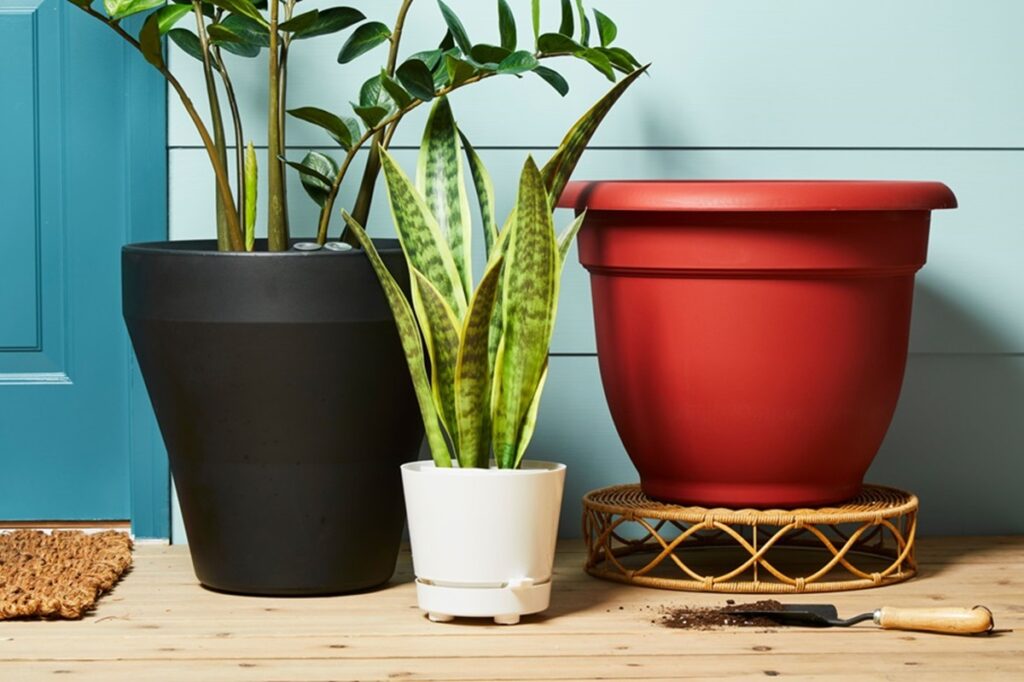
How Self Watering Planters Use Water More Efficiently
Self watering containers work differently than standard pots, and that difference is what leads to water savings.
Minimal runoff
Water stays in the reservoir instead of draining away, which means less waste.
Controlled moisture delivery
Plants absorb water as needed rather than being flooded all at once.
Reduced evaporation
Since water is stored inside the planter, less of it evaporates into the surrounding air.
These factors make self watering planters especially useful for indoor environments where water conservation and consistency matter.
Regular Pots vs Self Watering Planters
When comparing the two systems, the difference in water usage becomes clear over time.
Regular pots
- Excess water drains out of the bottom
- Soil dries unevenly
- Requires more frequent watering
Self watering planters
- Water is stored and reused
- Soil remains evenly moist
- Requires less frequent watering
If you want a deeper breakdown of how these two options compare in structure and performance, check out Self Watering Planters vs Regular Pots.
When Self Watering Planters Save the Most Water
Water savings are most noticeable in certain situations.
Frequent watering routines
If you water plants often, traditional pots may waste more water through drainage.
Warm indoor environments
Higher temperatures increase evaporation, making reservoir systems more efficient.
Thirsty plants
Plants like ferns, peace lilies, and tropical species benefit from consistent moisture and use water more efficiently in these systems.
However, the amount of water saved can vary depending on plant type, soil mix, and indoor conditions.
Situations Where Water Savings May Be Smaller
Although self watering planters are generally more efficient, there are cases where the difference is less noticeable.
- Small plants that require very little water
- Cool environments with low evaporation
- Improper soil mixes that prevent wicking
In these cases, the system may still provide convenience, even if water savings are minimal.
To better understand the trade-offs, you may also want to read Self Watering Planters Pros and Cons, which outlines both the benefits and limitations of these containers.
Final Thoughts
So, do self watering planters save water? In most cases, yes. By reducing runoff, limiting evaporation, and delivering water directly to the roots, these systems make more efficient use of water than traditional pots.
While the exact savings depend on your setup, self watering planters are a smart choice for indoor gardeners looking to conserve water while maintaining healthy, well-hydrated plants.
FAQ
Do self watering planters completely eliminate water waste?
No, but they significantly reduce it compared to regular pots by storing and reusing excess water.
Are self watering planters better for the environment?
They can be, especially if they help reduce overall water usage and improve plant survival.
Do all plants use less water in self watering planters?
Most do, but the difference depends on the plant type, soil mix, and indoor conditions.