
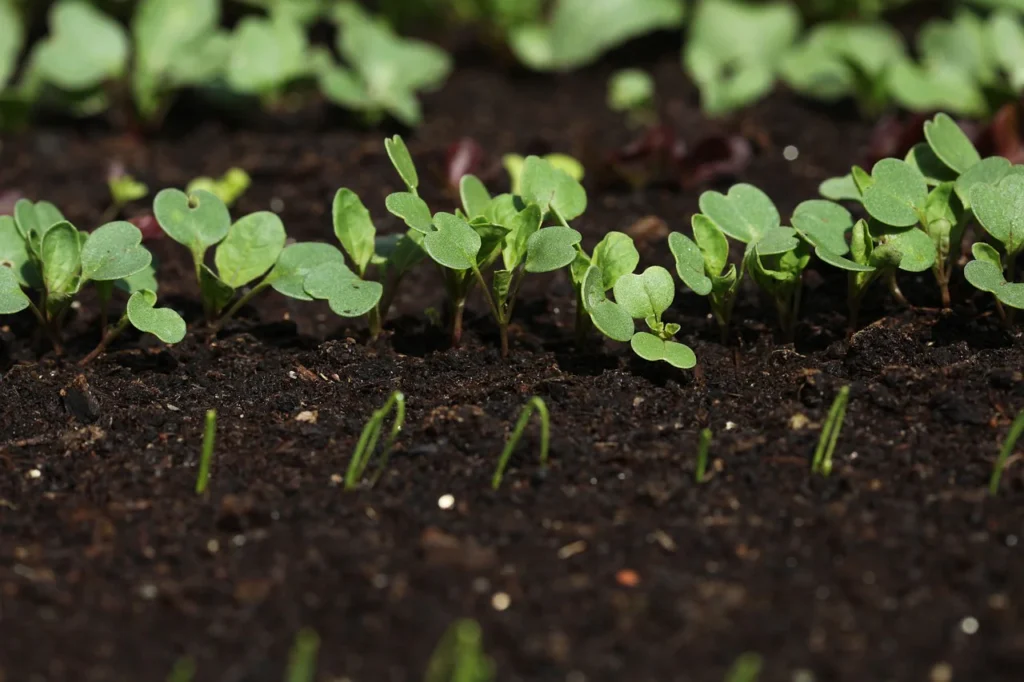
Can you use self watering planters for seedlings?
Short answer: yes, but with caution. Self watering planters can work for seedlings if soil drains well and the reservoir is used sparingly. Because seedlings have small, delicate roots, constant moisture can increase the risk of overwatering, root rot, and damping off if not managed carefully.
Introduction
Seedlings are the most sensitive stage of a plant’s life. At this point, roots are tiny, stems are fragile, and even small mistakes with watering can lead to failure.
That’s why many beginners feel anxious about watering — and honestly, that fear is justified.
Self watering planters sound like the perfect solution: consistent moisture, less daily work, fewer forgotten waterings. But when it comes to seedlings, things aren’t quite so simple.
In this guide, we’ll calmly walk through:
- whether self watering planters for seedlings actually make sense
- why seedlings are more vulnerable than mature plants
- when self watering systems can help — and when they increase risk
- and a safe, beginner-friendly way to use them without killing your seedlings
If you’re new to growing plants, you may also want to read:
➡ Are Self Watering Planters Good for Beginners?
Can You Use Self Watering Planters for Seedlings?
Yes — you can use self watering planters for seedlings, but they are not a “set and forget” solution at this stage.
Self watering planters work by keeping water in a reservoir that slowly wicks moisture upward into the soil. That system is excellent for established plants with strong roots. Seedlings, however, don’t yet have the root mass or resilience to handle constant moisture.
So the honest answer is:
- ✔ Possible
- ⚠ Riskier than regular pots
- ❌ Not automatic or hands-off
Used correctly, a seedlings self watering planter can support healthy growth. Used incorrectly, it can cause seedling overwatering, fungal disease, or root rot.
Why Seedlings Are More Sensitive to Watering
Understanding this makes everything else easier.
Small, Shallow Roots
Seedlings start with extremely fine roots that stay close to the surface. They don’t need much water — but they do need oxygen.
Weak Root Systems
Unlike mature plants, seedlings can’t recover easily from stress. Overwatering even once can slow growth or cause collapse.
High Oxygen Demand
Roots breathe. Constantly wet soil pushes out air, suffocating young roots before you even notice a problem.
Risk of Damping Off
Damping off is a fungal disease that thrives in moist, stagnant conditions — exactly what poorly managed self watering systems can create.
This is why watering mistakes hit seedlings harder than any other growth stage.
Benefits of Self Watering Planters for Seedlings
To be fair, there are real benefits when used carefully.
✔ More Even Moisture
No dramatic dry–soak cycles, which can stress seedlings.
✔ Reduced Surface Watering
Less splashing on stems and leaves, which helps reduce fungal problems.
✔ Helpful for Larger Seedling Batches
If you’re growing many seedlings, consistent moisture can reduce daily workload.
The key is balance. These benefits only apply when moisture is controlled, not constant.
Main Risks of Using Self Watering Planters for Seedlings
Overwatering and Constant Moisture
This is the biggest issue.
A self watering planter continuously supplies water from below. For seedlings, that often means:
- soil never dries
- roots sit in damp conditions
- oxygen levels drop
This leads directly to seedling overwatering in self watering planters.
Learn more here:
➡ Can You Overwater Plants in a Self Watering Planter?
Damping Off Disease
Damping off is a common beginner heartbreak.
It causes seedlings to:
- suddenly collapse at the soil line
- fall over despite looking fine the day before
- die rapidly and without warning
Excess moisture, poor airflow, and cool temperatures all increase the risk — and self watering planters can amplify those conditions if misused.
Root Rot in Young Plants
Young roots are especially vulnerable to rot.
When water sits in dense soil without enough oxygen:
- roots stop growing
- beneficial microbes decline
- harmful fungi take over
This is why many people ask whether self watering planters cause root rot — and the answer is: they can, especially with seedlings.
Slow Oxygen Exchange in Dense Soil
Seed-starting soil must be light and airy. If you use heavy or compacted soil in a self watering planter, water movement slows and roots suffocate.
How to Use Self Watering Planters Safely for Seedlings
This is the most important section of the article.
Use a Very Light, Well-Draining Seedling Mix
Avoid garden soil or heavy potting mixes.
Your soil should:
- drain quickly
- feel fluffy, not muddy
- contain perlite, vermiculite, or coco coir
➡ Best Soil for Self Watering Planters
Keep the Reservoir Empty at First
This step is critical and often skipped.
During:
- germination
- the first days after sprouting
Do not fill the reservoir.
Instead:
- water lightly from the top
- keep soil slightly moist, not wet
This forces roots to grow downward in search of water instead of sitting in constant moisture.
Fill the Reservoir Only After Roots Develop
Once seedlings:
- have several true leaves
- are clearly growing
- show stronger stems
You can begin adding small amounts of water to the reservoir.
Never fill it completely at first. Start low and observe.
Let the Top Layer Dry Slightly
The surface of the soil should dry between waterings.
This:
- improves airflow
- reduces fungal growth
- signals roots to grow deeper
Constantly wet surfaces are a warning sign.
Watch Seedlings Daily
Self watering does not mean ignoring plants.
Check for:
- drooping
- pale or yellow leaves
- soft stems
Seedlings change fast — early observation prevents losses.
Bottom Watering vs Self Watering Planters for Seedlings
Both methods water from below, but they’re not the same.
Bottom watering (manual):
- you control timing
- you remove excess water
- safer for early seedlings
Self watering planters:
- constant access to moisture
- more convenient
- higher risk if unmanaged
For beginners, manual bottom watering is usually the safer starting point.
When You Should NOT Use Self Watering Planters for Seedlings
Avoid using them when:
- seedlings just emerged
- temperatures are cool
- light is weak or indirect
- soil mix is heavy or compact
In these conditions, moisture lingers too long and problems escalate quickly.
Signs Your Seedlings Are Getting Too Much Water
Watch for:
- yellowing leaves
- falling or collapsing stems
- slow or stalled growth
- mushy soil smell
If you see these signs, stop using the reservoir immediately.
FAQ
Are self watering planters good for seed starting?
They can be used, but they are not ideal for the earliest stages. Manual watering gives better control during germination and early growth.
Can seedlings rot in self watering planters?
Yes. Constant moisture and low oxygen can cause root rot, especially in dense soil.
When should I start using the reservoir?
Only after seedlings develop true leaves and stronger root systems.
Is bottom watering safer for seedlings?
Yes. Manual bottom watering offers better control and lower risk than automatic systems.
Final Thoughts
So — can you use self watering planters for seedlings?
Yes, but only if you understand the risks and manage moisture carefully.
For beginners:
- start slow
- prioritize airflow and drainage
- don’t rely on automation too early
Seedlings don’t need perfection — they need gentle, attentive care. When you give them that, self watering planters can become a useful tool instead of a hidden danger.