
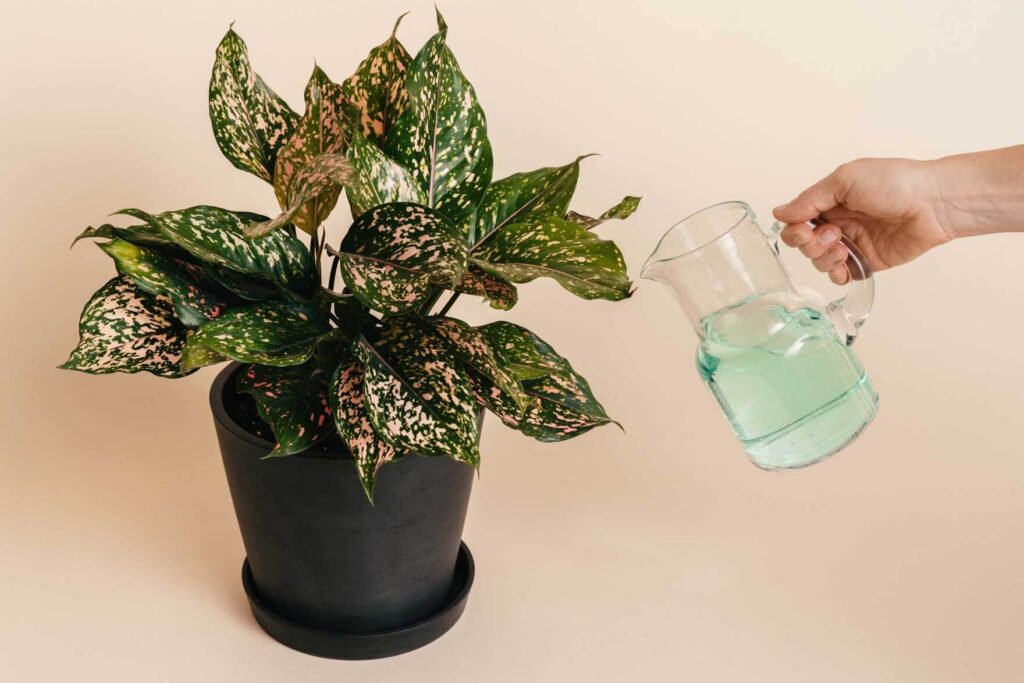
Short answer: Yes — but only in diluted form and with careful timing. Adding full-strength liquid fertilizer directly to the reservoir can cause salt buildup, root burn, and algae growth. When used correctly, liquid fertilizer can work safely in self watering planters.
Can You Use Liquid Fertilizer in Self Watering Planters?
Self watering planters make plant care easier by delivering water from the bottom through a built-in reservoir. But when it comes to fertilizing, many gardeners wonder: can you use liquid fertilizer in self watering planters without harming the plant?
It’s an important question because fertilization works differently in these systems than in regular pots. Mistakes like adding concentrated fertilizer to the reservoir or feeding too often can quietly damage roots, clog the planter’s wicking system, and cause long-term nutrient imbalance.
In this guide, you’ll learn:
- Whether liquid fertilizer is safe for self watering planters
- The real risks and common mistakes
- The correct dilution, timing, and frequency
- Whether reservoir feeding or top feeding is better
- Which fertilizer types work best
By the end, you’ll have a simple, safe method for fertilizing self watering planters without stressing your plants.
How Fertilization Works in Self Watering Planters
Self watering planters rely on capillary action. Water moves upward from the reservoir into the soil through a wick or porous column. The plant then draws moisture (and nutrients) from the bottom rather than from surface watering.
This design keeps soil moisture more consistent and reduces drought stress. However, it also changes how fertilizer behaves:
- Nutrients are pulled upward slowly
- Salts can accumulate in the reservoir or lower soil layers
- Excess fertilizer isn’t flushed out easily
- Roots are constantly exposed to the same solution
If you’re new to these systems, it helps to understand the basics of How Do Self Watering Planters Work before fertilizing.
Can You Add Liquid Fertilizer to the Water Reservoir?
Yes, but only under strict conditions.
You can use liquid fertilizer in self watering planters — including adding it to the reservoir — but it must be significantly diluted and used sparingly.
Here’s why concentrated fertilizer is risky in a water reservoir planter:
- The solution sits in the reservoir for days or weeks
- Nutrient salts build up instead of being flushed away
- Roots are continuously exposed to fertilizer
- Algae and bacteria grow faster in nutrient-rich water
When used properly, liquid fertilizer can be effective in a self watering system. But when used incorrectly, it becomes one of the fastest ways to damage plants.
Risks of Using Liquid Fertilizer in Self Watering Planters
Salt Buildup in the Reservoir and Soil
Most synthetic liquid fertilizers contain mineral salts. In regular pots, excess salts drain out of the bottom. In self watering planters, they stay trapped in the system.
Over time, salt buildup can:
- Burn root tips
- Block water absorption
- Cause leaf browning or curling
- Reduce nutrient uptake
This is one of the most common long-term problems when using liquid fertilizer in self watering planters.
Root Burn and Nutrient Imbalance
Because water moves upward from the reservoir, roots remain in constant contact with whatever solution is inside.
If fertilizer concentration is too strong:
- Roots absorb too many nutrients at once
- Osmotic pressure damages root tissue
- Plants show signs of stress or toxicity
- Growth slows or becomes distorted
Overfertilizing self watering planters often looks like a watering problem — until roots are already damaged.
Algae and Bacteria Growth
Adding nutrients to standing water creates ideal conditions for algae and bacteria.
This can lead to:
- Green slime in the reservoir
- Foul odors
- Blocked water channels
- Reduced oxygen availability for roots
Clogged Wicks and Water Channels
Fertilizer residue can crystallize or bind with debris inside the planter.
This may:
- Block the wick
- Prevent water from reaching soil
- Cause uneven moisture distribution
- Trigger dry zones in the root area
If your planter suddenly stops absorbing water, see Why Is Water Not Absorbing in My Self Watering Planter?.
How to Use Liquid Fertilizer Safely in Self Watering Planters
This is the most important section. Follow these steps to avoid damaging your plants.
Always Dilute the Fertilizer
Never use full-strength fertilizer in a self watering system.
Safe dilution guideline:
- Use ¼ to ½ of the normal recommended dose
- Mix thoroughly with clean water
- Test on one plant before applying to all
A weak nutrient solution self watering planter approach is far safer than aggressive feeding.
Fertilize Less Often
Plants in self watering planters don’t need frequent feeding.
General timing:
- Active growth (spring/summer): every 3–4 weeks
- Slow growth (fall/winter): every 6–8 weeks or not at all
- Heavy feeders: slightly more often, still diluted
Overfertilizing self watering planters is more harmful than underfertilizing.
Use Clear Water Between Feedings
To prevent salt buildup:
- Refill the reservoir with plain water between fertilizer feedings
- Periodically top-water to flush accumulated salts
- Empty and rinse the reservoir every few months
This helps reset nutrient levels and maintain healthy roots.
Monitor Plant Response
Watch your plants closely after fertilizing.
Signs of overfertilization:
- Leaf tip burn
- Wilting despite moist soil
- Yellowing or browning edges
- Stunted growth
- Crusty residue on soil surface
If any appear, stop fertilizing and flush with clean water.
Should You Fertilize Through the Reservoir or From the Top?
This is a key decision when fertilizing self watering planters.
Reservoir Feeding
Pros:
- Convenient
- Even distribution over time
- No surface runoff
Cons:
- Salt accumulation risk
- Harder to flush excess nutrients
- Higher algae potential
- Constant root exposure
Best for: very diluted feeding, occasional use only.
Top Watering (Top Feeding)
Pros:
- Flushes excess salts
- Better control of nutrient strength
- Less algae growth
- Safer for sensitive plants
Cons:
- Slightly less convenient
- Requires occasional manual watering
Best for: most situations, especially beginners.
Verdict:
Top-feeding is generally safer than reservoir feeding, especially for long-term plant health.
Best Types of Fertilizer for Self Watering Planters
Not all fertilizers behave the same in a reservoir system.
Liquid vs Granular Fertilizers
Liquid fertilizer:
- Fast-acting
- Easy to dilute
- Higher salt risk
- Requires careful timing
Granular fertilizer:
- Slow nutrient release
- Less salt shock
- Harder to control dose
- Can clog soil pores
Liquid fertilizer in self watering planters works best when heavily diluted and used sparingly.
Organic vs Synthetic Fertilizers
Organic:
- Lower salt content
- Slower nutrient release
- Reduced root burn risk
- May cloud reservoir water
Synthetic:
- Precise nutrient ratios
- Faster response
- Higher salt accumulation
- Greater algae risk
Organic fertilizers are generally more forgiving in self watering systems.
Slow-Release Fertilizers (Indirect Use)
Slow-release fertilizers mixed into soil can reduce the need for liquid feeding.
Pros:
- Minimal reservoir contamination
- Steady nutrient supply
- Lower maintenance
Cons:
- Harder to adjust nutrient levels
- Risk of overfeeding if layered incorrectly
Used carefully, they can complement liquid feeding.
Common Fertilizing Mistakes With Self Watering Planters
Avoid these common errors:
- Using full-strength fertilizer
- Fertilizing every reservoir refill
- Never flushing with clean water
- Ignoring salt buildup
- Letting algae grow unchecked
- Mixing fertilizer in dirty reservoirs
How Often Should You Fertilize Plants in Self Watering Planters?
There’s no single schedule that fits all plants.
During Active Growth
- Every 3–4 weeks
- Use diluted fertilizer
- Alternate with plain water
During Dormant or Slow Growth
- Every 6–8 weeks
- Or not at all
- Avoid fertilizer in cold seasons
By Plant Type
- Leafy plants: light but regular feeding
- Flowering plants: moderate feeding
- Succulents: very infrequent feeding
- Herbs: low-strength feeding only
When in doubt, fertilize less often.
FAQ
Can liquid fertilizer damage self watering planters?
Yes. Concentrated fertilizer can clog wicks, promote algae, and cause salt buildup. Always dilute heavily and flush regularly.
Should you fertilize every refill?
No. Fertilizing every refill leads to overfertilization and salt accumulation. Use fertilizer only occasionally.
Can fertilizer cause algae in the reservoir?
Yes. Nutrient-rich water encourages algae and bacteria growth. Keep fertilizer weak and clean the reservoir periodically.
Is top-feeding safer than reservoir-feeding?
Yes. Top-feeding allows excess salts to flush out and reduces algae growth. It’s safer for most plants.
Can you mix fertilizer with tap water?
Yes. But if your tap water is hard or heavily chlorinated, let it sit for 24 hours before mixing fertilizer.
Final Thoughts
So — can you use liquid fertilizer in self watering planters?
Yes, but only with care.
Used correctly, liquid fertilizer can support healthy growth. Used incorrectly, it can silently damage roots, clog the system, and create long-term nutrient problems.
The safest approach:
- Always dilute fertilizer
- Fertilize less often
- Flush with clean water
- Prefer top-feeding
- Monitor plant response
If you’re also concerned about moisture control, read Can You Overwater Plants in a Self Watering Planter?.
With the right method, you can fertilize self watering planters safely and keep your plants thriving.