
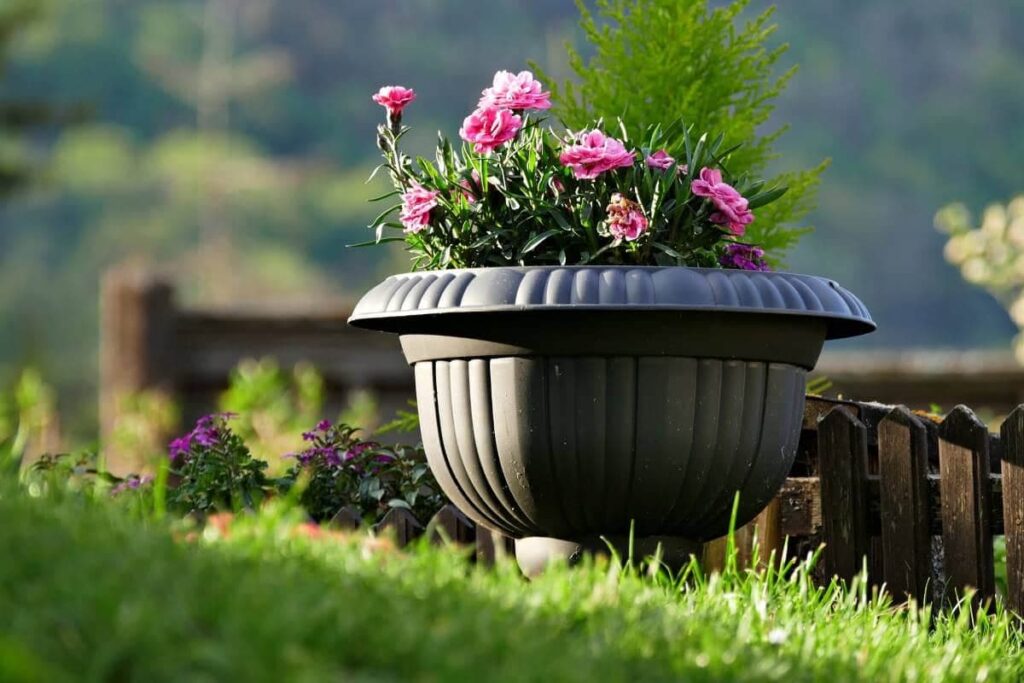
Short answer: yes, but only under controlled conditions. Self watering planters can work outdoors, but rain, heat, sun exposure, and freezing temperatures can cause overwatering, root rot, or reservoir damage. With proper drainage, shade, and seasonal adjustments, they can be used safely outside.
Self watering planters are popular because they simplify plant care and reduce daily watering. But many people hesitate to use them outdoors — on a balcony, patio, or in the yard — because of fears about rain, overheating, mold, or freezing.
So, can you leave a self watering planter outside?
Yes — but not in every climate, season, or setup. Outdoor use works well in controlled conditions, and poorly in extreme or unmanaged ones.
This guide explains when outdoor self watering planters are a smart choice, when they become risky, and how to use them safely without killing your plants or damaging the planter.
Can You Leave a Self Watering Planter Outside?
Yes, but not always.
Self watering planters can be used outdoors, but they are more sensitive to environmental factors than regular pots.
They work best when:
- Rainfall is moderate
- Temperatures are stable
- The planter has overflow protection
- The soil drains well
- The planter is partially sheltered
They become a bad idea when:
- Heavy rain regularly floods the reservoir
- The planter sits in full sun all day
- Temperatures exceed 35°C (95°F)
- Winters bring freezing temperatures
- Drainage holes are blocked or missing
In short: outdoor self watering planters require more monitoring and smarter placement than indoor ones.
What Happens to a Self Watering Planter Outdoors
Outdoors, a self watering planter is affected by:
Rain
Rain can overfill the reservoir, turning the planter into a swamp if excess water has nowhere to escape.
Sun
Direct sun heats both soil and water, increasing evaporation and stressing plant roots.
Wind
Wind accelerates moisture loss, making refill frequency unpredictable.
Temperature swings
Hot days increase water demand. Cold nights slow root activity and keep soil wet longer.
Humidity
High humidity reduces evaporation and can promote mold and algae growth.
This constant environmental variability is why outdoor self watering planters require more attention.
Main Risks of Leaving a Self Watering Planter Outside
Overwatering From Rain
Rain can saturate the soil from above while the reservoir keeps feeding water from below. This double watering is one of the most common causes of root problems.
If you’ve ever wondered “Can you overwater plants in a self watering planter?”, the answer is yes — especially outdoors.
Reservoir Overflow
Many self watering planters don’t have large or well-positioned overflow holes. During storms, reservoirs can fill faster than they drain.
Root Rot
Constantly wet soil deprives roots of oxygen. This leads to rot, yellowing leaves, wilting, and slow decline.
(See: Do Self Watering Planters Cause Root Rot?)
Mold and Algae Growth
Warm, moist conditions encourage algae in the reservoir and mold on the soil surface.
(See: How to Prevent Mold in Self Watering Planters Indoors — many tips also apply outdoors.)
Heat Stress and Water Warming
In full sun, reservoir water can become warm enough to stress roots, especially in dark plastic planters.
Freezing and Cracking
When water freezes, it expands. This can crack plastic reservoirs, rupture seams, and damage roots.
When It’s Safe to Use a Self Watering Planter Outdoors
Covered Balconies and Patios
The safest setup. Protection from heavy rain and direct sun keeps moisture levels stable.
Partial Shade
Morning sun and afternoon shade reduce overheating and evaporation.
Warm but Not Extreme Heat
Ideal temperatures: 15–30°C (60–85°F).
Above this range, water warms quickly and roots suffer.
Well-Draining Soil
Use airy, lightweight potting mix with perlite or bark.
(See: Best Soil for Self Watering Planters)
Overflow Protection
Your planter must have a functional overflow hole to prevent flooding.
When You Should Not Leave a Self Watering Planter Outside
Heavy Rain Areas
If storms are frequent or intense, reservoirs will overfill constantly.
Full Sun All Day
Direct sun for 8–10 hours overheats soil and water.
Freezing Winters
Frozen water destroys reservoirs and kills roots.
Poor Drainage Setups
No overflow hole = guaranteed problems.
How to Use a Self Watering Planter Safely Outside
This is the most important section.
Adjust Refill Frequency
Outdoor evaporation varies. Don’t refill on a fixed schedule.
Refill only when the reservoir is actually low.
(See: How Often to Refill a Self Watering Planter)
Monitor the Reservoir After Rain
After storms, empty excess water if the reservoir is full.
Use Well-Draining Soil
Heavy, dense soil traps water and suffocates roots.
Keep Overflow Holes Clear
Check for dirt, algae, or roots blocking drainage.
Move During Storms or Heat Waves
Temporarily move planters under cover or into shade.
Reduce Fertilizer Use
Fertilizer salts build up faster in self watering systems and worsen root stress.
Can You Leave a Self Watering Planter Outside in Winter?
Usually: no.
Why winter is dangerous:
- Water freezes and expands
- Reservoirs crack
- Roots die
- Soil stays wet too long
- Wicking systems fail
When it might work:
- Frost-free climates
- Covered balconies
- Hardy perennials
- Insulated containers
Best practice:
Bring self watering planters indoors or drain them completely before winter.
Self Watering Planters vs Regular Pots Outdoors
Moisture control:
Self watering planters are less predictable outdoors.
Risk:
Higher risk of overwatering and root rot.
Convenience:
Great in mild climates, frustrating in extreme ones.
Safety:
Regular pots are more forgiving in rain and heat.
Common Mistakes When Using Self Watering Planters Outdoors
- Not checking after rain
- Refilling too often
- Ignoring sun exposure
- Never cleaning the reservoir
- Using heavy garden soil instead of potting mix
- Leaving them outside in winter
FAQ
Are self watering planters waterproof?
Most are water-resistant, not fully waterproof. Seams, plugs, and overflow holes can leak.
Can rain overfill a self watering planter?
Yes. Without proper overflow drainage, rain can flood the reservoir.
Do self watering planters work in hot weather?
They can, but require shade and more frequent monitoring.
Can you leave a self watering planter outside overnight?
Yes, in mild weather. Not during storms or freezing temperatures.
Should you bring self watering planters inside in winter?
Yes, unless you live in a frost-free climate.
Final Verdict
Can you leave a self watering planter outside?
Yes — but only under controlled conditions.
They work best on covered balconies, shaded patios, and in mild climates.
They fail fastest in heavy rain, full sun, and freezing winters.
If you manage drainage, soil, placement, and seasonal changes, outdoor self watering planters can be safe and convenient.
If you ignore those factors, they quickly turn into root-rot machines.
Use them outdoors — just don’t treat them like set-and-forget containers.