
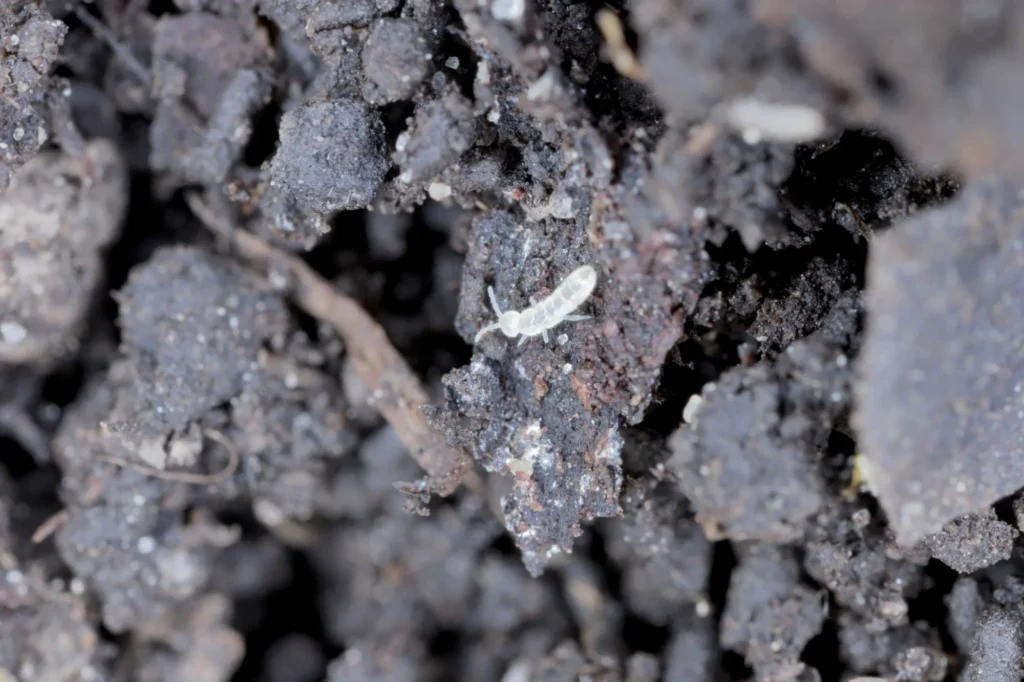
If you’ve ever opened a bag of potting soil or noticed tiny insects crawling around your plants, you might wonder: can potting soil have bugs, and is that normal? The short answer is yes — potting soil can sometimes contain insects or become home to pests over time. However, not all bugs are harmful, and many issues can be prevented or solved with simple adjustments.
Understanding why insects appear in potting soil is the first step toward keeping your indoor plants healthy. In this guide, we’ll look at the most common pests, why they show up, and how to eliminate them safely without damaging your plants.
Why Does Potting Soil Sometimes Have Bugs?
Even high-quality potting mixes are not always completely sterile. Many blends contain organic materials like compost, bark, or coco coir, which can attract insects if conditions become favorable.
Here are the most common reasons bugs appear:
1. Moisture Levels
Overwatering is one of the main causes of pest problems. Wet soil creates the perfect environment for insects like fungus gnats, which thrive in damp conditions.
2. Organic Ingredients
Potting soil often includes decomposing organic matter. While this helps plant growth, it can also attract microorganisms and insects that feed on decaying material.
3. Storage Conditions
If soil bags are stored in warm or humid areas — garages, balconies, or sheds — insects may lay eggs inside before you even open them.
4. Indoor Environment
Sometimes the soil isn’t the source at all. Flying insects may already be in your home and choose your plants as a breeding ground.
Common Bugs Found in Potting Soil
Not all insects are equally harmful. Some are simply annoying, while others can damage roots or slow plant growth.
Fungus Gnats
These tiny black flies are the most common pest in indoor soil. Adult gnats look like small mosquitoes, but the real problem is their larvae, which live in moist soil and feed on organic material — and sometimes roots.
Signs:
- Tiny flies hovering near plants
- Larvae visible near the soil surface
- Slower plant growth
Springtails
Springtails are tiny jumping insects that often appear in damp soil. The good news: they’re usually harmless and feed on decaying matter rather than living roots.
Soil Mites
Some mites live naturally in soil ecosystems and help break down organic material. While they may look alarming, many are beneficial rather than harmful.
Aphids or Root Aphids
Less common indoors but possible. These pests feed on plant sap and can weaken plants over time.
Is It Normal for Potting Soil to Have Bugs?
Yes — to a certain extent. Soil is a living environment, and some level of microbial and insect activity can be normal.
However, it becomes a problem when:
- Bugs multiply quickly
- Plants show stress or damage
- Soil remains constantly wet
- You notice flying insects spreading around your home
The key is distinguishing between a natural ecosystem and a pest infestation.
How Indoor Conditions Affect Soil Pests
Many people don’t realize that plant placement inside an apartment can influence pest problems.
For example:
- Low airflow encourages moisture buildup
- Dark corners keep soil damp longer
- Warm indoor temperatures speed up insect reproduction
Choosing the right location for your plants can significantly reduce the risk of pests. If you’re unsure where to position your containers, you can read this helpful guide on where to place a self-watering planter in an apartment, which explains how light, airflow, and humidity affect plant health and soil conditions.
How to Prevent Bugs in Potting Soil
Prevention is much easier than dealing with a full infestation. Here are practical steps that make a big difference.
Let Soil Dry Slightly Between Watering
Most indoor plants prefer slightly moist soil — not constantly wet. Allowing the top layer to dry helps break the breeding cycle of fungus gnats.
Use Well-Draining Pots
Containers with drainage holes prevent water from sitting at the bottom and creating overly wet conditions.
Avoid Overcrowding Plants
Good airflow between plants reduces humidity and discourages pests.
Store Soil Properly
Keep unused soil sealed and stored in a cool, dry area. This reduces the chance of insects entering the bag.
How to Get Rid of Bugs in Potting Soil
If pests already appeared, don’t panic — most problems can be fixed without harsh chemicals.
1. Reduce Watering
Often the fastest solution. Letting the soil dry slightly interrupts the insect life cycle.
2. Remove Top Layer of Soil
Replacing the top inch of soil can remove eggs and larvae.
3. Use Sticky Traps
Yellow sticky traps help catch flying insects like fungus gnats and reduce their population.
4. Hydrogen Peroxide Solution
A diluted hydrogen peroxide solution (usually mixed with water) can help kill larvae in the soil. Always research proper dilution ratios before use.
5. Beneficial Nematodes
For persistent infestations, beneficial nematodes are a natural biological control that targets larvae.
Should You Throw Away Soil with Bugs?
Not always. Many infestations can be treated successfully.
Consider replacing soil only if:
- Infestation is severe
- Plants are dying despite treatment
- Soil smells rotten or moldy
Otherwise, simple adjustments are usually enough.
Are Store-Bought Potting Mixes Sterile?
Some commercial mixes are labeled sterile or pasteurized, but many are not fully insect-free. Even sterile soil can attract pests later if environmental conditions allow.
Focus less on finding “perfect” soil and more on maintaining good growing conditions.
FAQ
Can unopened potting soil have bugs?
Yes, especially if stored outdoors or in warm areas. Eggs or larvae may already be present.
Do bugs mean my soil is bad quality?
Not necessarily. Even premium soil can develop pests if moisture levels are too high.
Are fungus gnats dangerous to humans?
No — they are mostly a nuisance. The main concern is potential damage to young plant roots.
Will repotting fix the problem?
Sometimes, but improving watering habits and airflow is often more effective long term.
Conclusion
So, can potting soil have bugs? Yes — and in many cases, it’s completely normal. Small insects are often attracted by moisture and organic matter rather than poor-quality soil. The good news is that most pest issues can be solved by adjusting watering habits, improving airflow, and choosing the right placement for your plants indoors.
Instead of reacting immediately by replacing all your soil, start by identifying the type of bug and the conditions allowing it to thrive. With a few simple changes, you can restore balance and keep your indoor plants healthy and pest-free.