
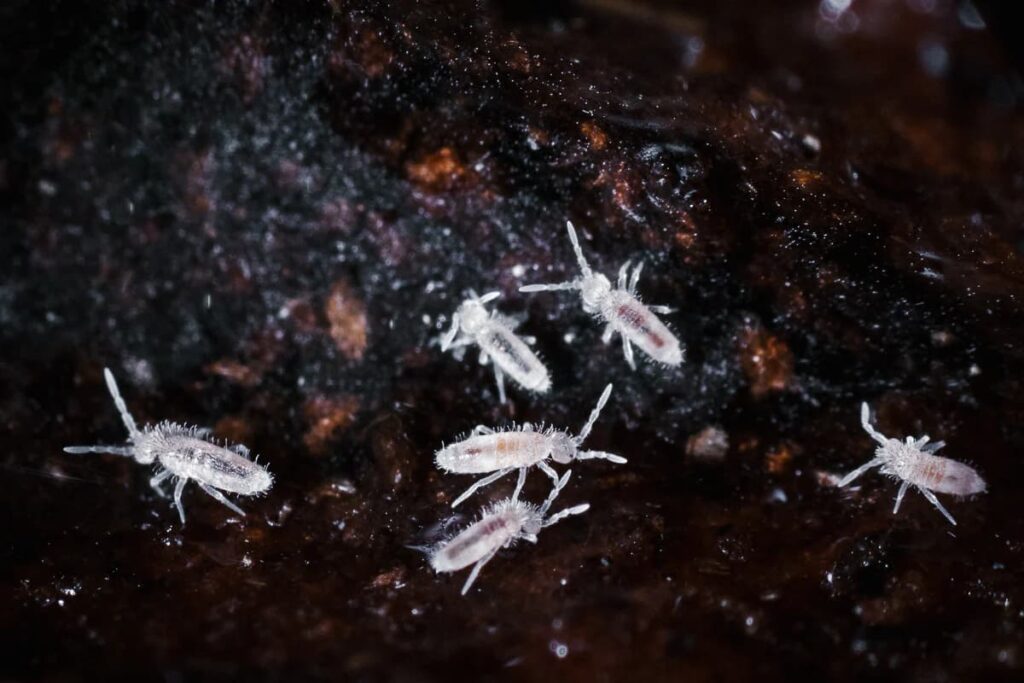
Opening a fresh bag of soil only to discover movement inside can be unsettling. If you’ve noticed bugs in purchased potting soil, don’t panic. It’s more common than you think — and in many cases, it’s not a disaster.
Before throwing the entire bag away, let’s break down what those bugs might be, whether they’re harmful, and what you can safely do next.
Why Are There Bugs in Purchased Potting Soil?
Many potting mixes contain organic materials like:
- Compost
- Peat moss
- Bark
- Coconut coir
These ingredients naturally attract small insects, especially if the bag was stored in warm or humid conditions.
Common insects found in potting soil include:
- Fungus gnat larvae
- Springtails
- Soil mites
- Small beetles
Most of these are harmless — but some can damage plant roots if left untreated.
Step 1: Identify What You’re Dealing With
Not all bugs are equal.
Harmless or beneficial:
- Springtails (tiny white jumping insects)
- Some soil mites
Potentially harmful:
- Fungus gnat larvae (small translucent worms with black heads)
- Root-feeding larvae
If you’re unsure, place a small amount of soil on white paper and observe movement.
Step 2: Should You Throw It Away?
Finding bugs in purchased potting soil doesn’t automatically mean the soil is unusable.
You can still use it if:
- The infestation is minor
- There’s no strong mold smell
- No large larvae are visible
However, if you see heavy infestation or signs of mold, returning the product is reasonable.
Step 3: How to Sterilize Potting Soil at Home
If you’d rather fix the problem than waste the soil, sterilization works very well.
Oven Method (Most Effective)
- Preheat oven to 180°F (82°C).
- Spread soil on a baking tray (1–2 inches deep).
- Cover with foil.
- Heat for 30 minutes.
- Let it cool completely.
This kills insects, larvae, and eggs.
⚠️ Expect a mild earthy smell — that’s normal.
Freezing Method
Place the sealed soil bag in a freezer for 48 hours.
This helps kill many insects and eggs.
Note: Not 100% effective against all pests.
Solarization (Outdoor Method)
If you live in a warm climate:
- Spread soil in a black plastic bag.
- Leave it in direct sun for several days.
Heat buildup can kill most insects.
Step 4: Prevent Fungus Gnats After Planting
Even if the soil looks clean, eggs may still hatch.
To reduce future problems:
- Avoid overwatering
- Let top 1–2 inches of soil dry out
- Use yellow sticky traps
- Improve air circulation
Moist soil is the perfect breeding ground for gnats.
Are Bugs in Purchased Potting Soil Dangerous?
In most cases, no.
Small soil insects rarely pose health risks. However:
- Heavy infestations can damage roots
- Gnats can multiply indoors
- Some larvae may chew young plants
If you’re growing seedlings, it’s better to sterilize first.
When You Should Return the Soil
Return the bag if:
- There are large visible larvae
- Strong sour or moldy smell
- Active crawling insects in large numbers
- The bag was already damaged when purchased
Reputable garden centers usually accept returns.
FAQ
Are bugs in purchased potting soil normal?
Yes, it can happen. Organic materials naturally attract insects, especially if the soil was stored in warm conditions.
Can I still use soil with small bugs in it?
Yes, if the infestation is minor. Sterilizing the soil before planting is a safe option.
Will baking soil ruin nutrients?
Heating soil may slightly reduce beneficial microbes, but it won’t destroy basic nutrients. For houseplants, this is usually not a problem.
How do I prevent this in the future?
- Store soil in cool, dry areas
- Keep bags sealed
- Avoid leaving opened bags outside
- Buy from reputable suppliers
Conclusion
Finding bugs in purchased potting soil can be frustrating — especially when you’re ready to plant. The good news is that most cases are manageable. Whether you choose to sterilize the soil, freeze it, or return it, you have safe and practical options.
Don’t let a few tiny insects ruin your gardening plans. With the right approach, your plants will thrive — pest-free.