
Not everyone has the time — or memory — to water plants regularly. If you travel often, work long hours, or simply want greenery without constant maintenance, choosing the best plants for busy people that can make indoor gardening much easier.
The good news is that many houseplants naturally tolerate neglect, irregular watering, and changing indoor conditions. Instead of struggling to keep high-maintenance plants alive, selecting resilient species allows you to enjoy greenery without stress.
In this guide, we’ll explore the best plants for busy people and travelers, what makes them low-maintenance, and how to set them up for long-term success.
What Makes a Plant Low-Maintenance?
Before choosing specific plants, it helps to understand what traits make some species easier to care for than others.
Low-maintenance plants typically have:
- Thick leaves or stems that store water
- Slow growth rates
- High tolerance for inconsistent watering
- Ability to adapt to lower light conditions
- Strong root systems
These characteristics allow them to survive even when care routines aren’t perfect.
Snake Plant (Sansevieria)
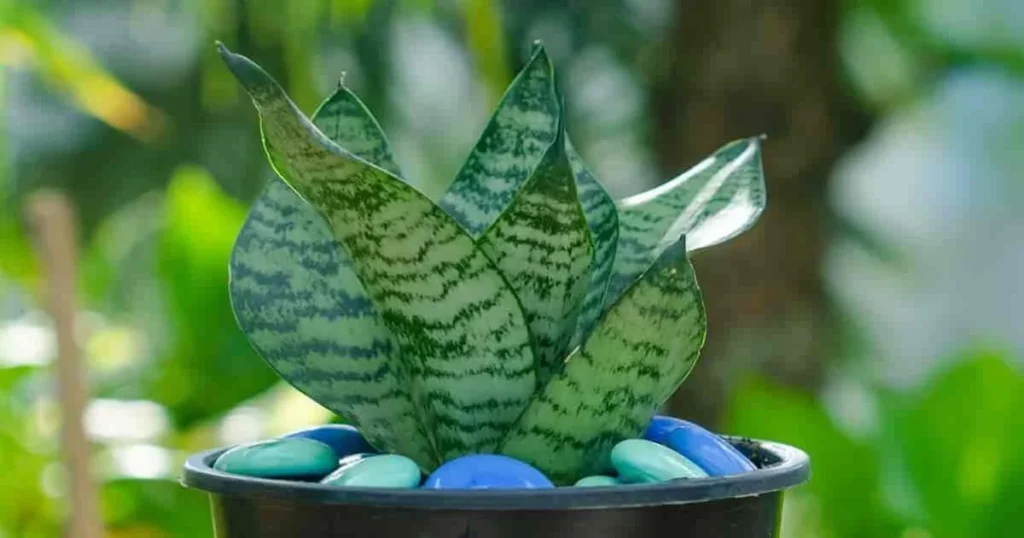
Snake plants are often recommended for beginners — and for good reason.
Why they work well for busy people:
- Extremely drought-tolerant
- Can survive weeks without watering
- Adaptable to low or bright light
- Resistant to most pests
Their upright, architectural leaves also make them visually striking, which is a bonus if you want a modern indoor aesthetic.
Care tip: Overwatering is the biggest risk. Let the soil dry completely between watering.
ZZ Plant (Zamioculcas zamiifolia)
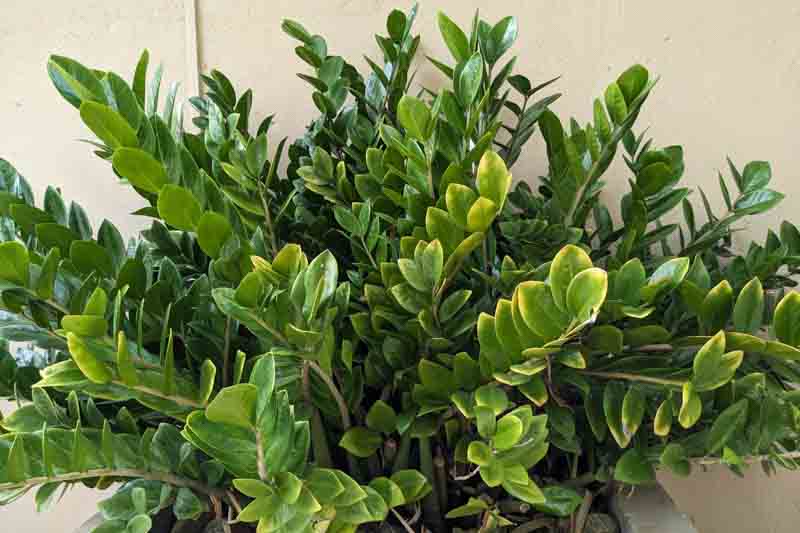
The ZZ plant is one of the toughest indoor plants available.
Advantages:
- Stores water in thick rhizomes
- Tolerates neglect better than many houseplants
- Thrives in indirect or low light
- Rarely needs frequent watering
It’s ideal for offices, apartments, or spaces where watering schedules are unpredictable.
Pothos (Epipremnum aureum)
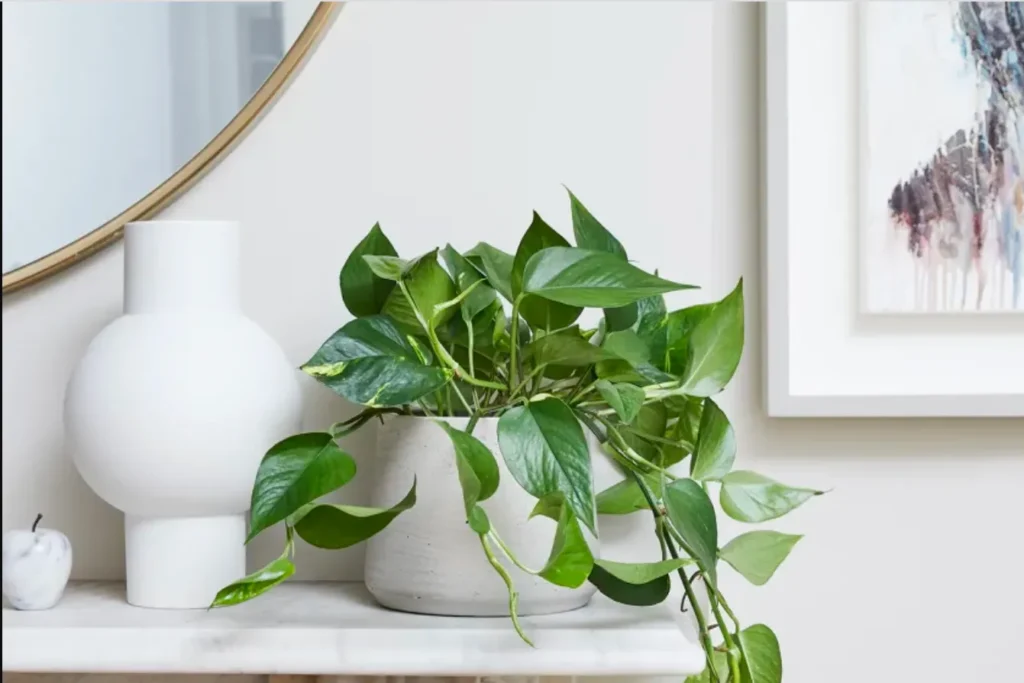
If you want a trailing plant that’s almost impossible to kill, pothos is an excellent choice.
Why it’s beginner-friendly:
- Survives inconsistent watering
- Grows in various light conditions
- Recovers quickly from minor mistakes
- Easy to propagate
Pothos vines can grow long over time, making them perfect for shelves or hanging planters.
Spider Plant (Chlorophytum comosum)
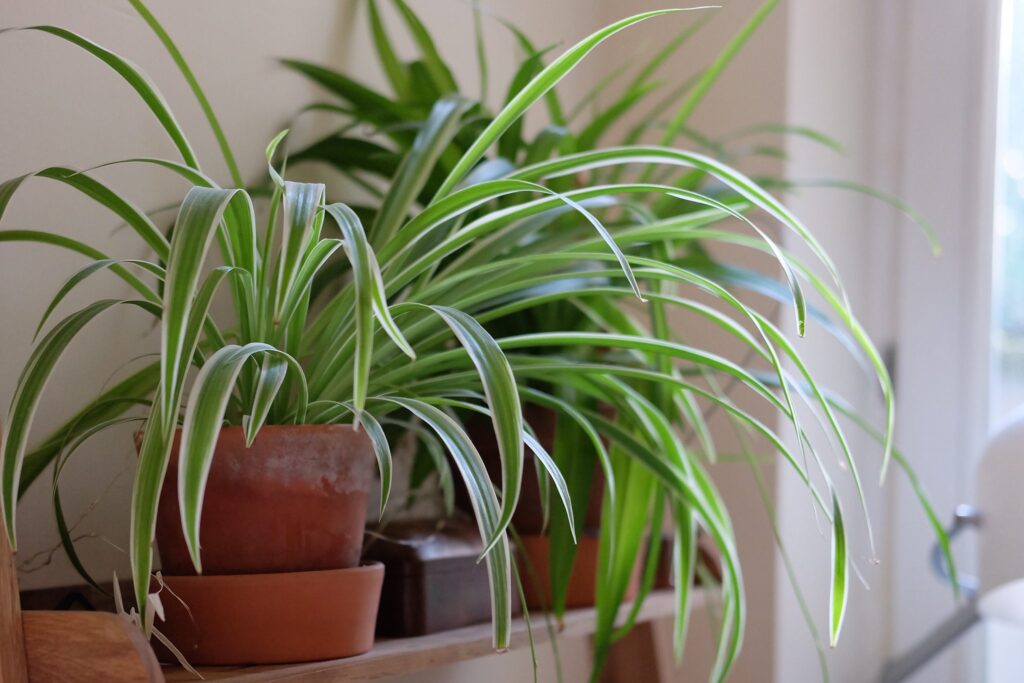
Spider plants combine resilience with fast growth.
Benefits:
- Tolerates occasional neglect
- Produces baby plants easily
- Adaptable to different indoor environments
- Non-toxic to pets (generally considered safer)
They prefer bright indirect light but can adjust to less ideal conditions.
Succulents (With Some Caveats)
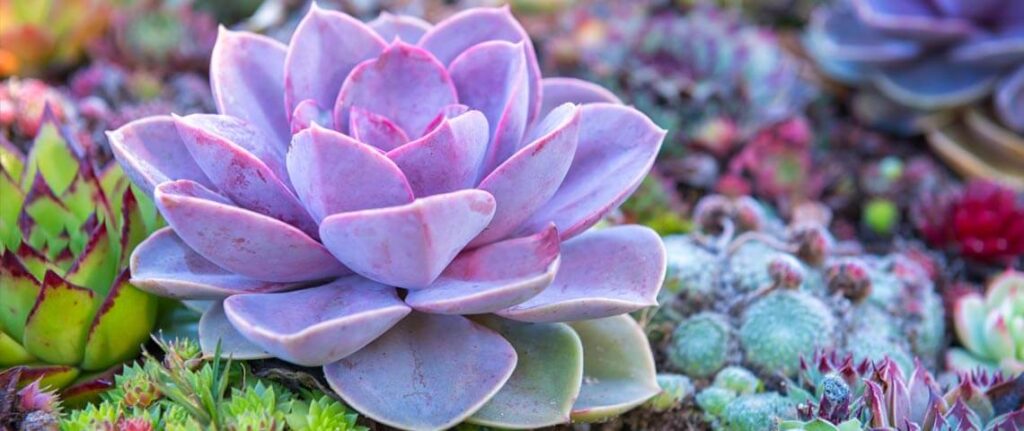
Succulents are often recommended for busy people because they store water in their leaves. However, they require sufficient light to stay healthy.
Best for:
- Bright windowsills
- Sunny apartments
Common mistake: placing succulents in low light and assuming they need no care. Even drought-tolerant plants need proper light exposure.
Cast Iron Plant (Aspidistra elatior)
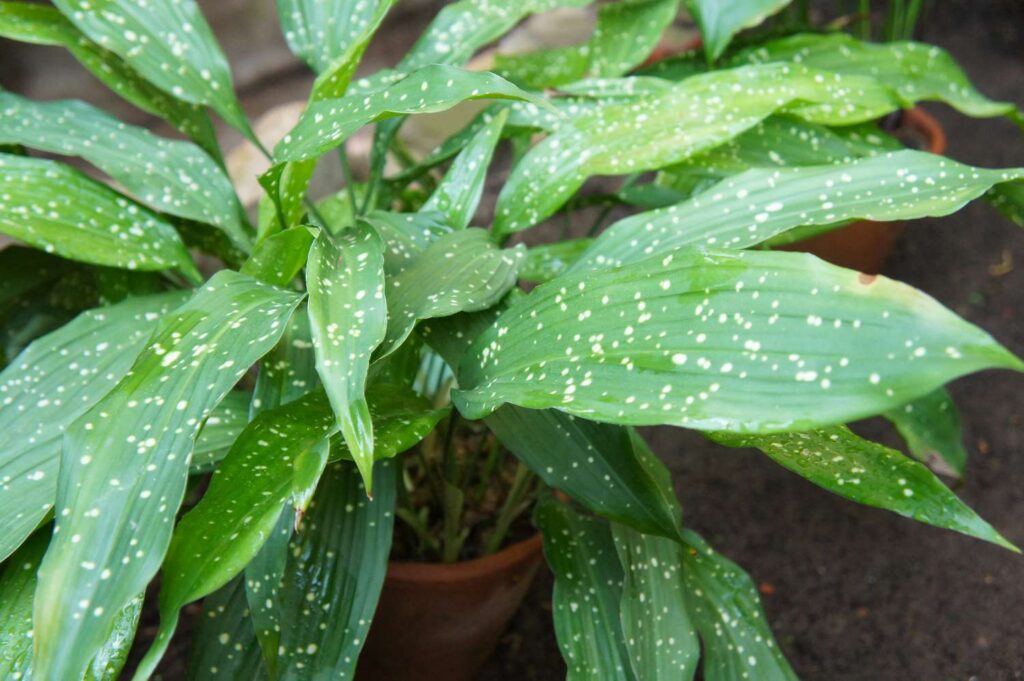
True to its name, the cast iron plant is extremely tough.
Why it works:
- Tolerates low light
- Handles temperature fluctuations
- Survives inconsistent watering
- Slow-growing, meaning less maintenance
This is a great option for darker corners where other plants struggle.
Peace Lily (For Moderate Maintenance)
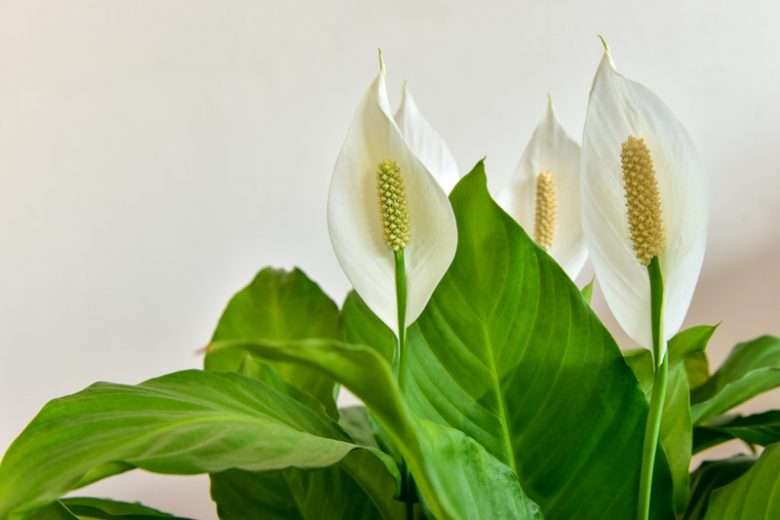
Peace lilies require slightly more care but offer one major advantage: they visibly droop when thirsty.
This “built-in reminder” makes them surprisingly suitable for busy schedules.
Pros:
- Clear visual cues for watering
- Tolerates medium to low light
- Elegant foliage
How to Choose the Right Plant for Your Lifestyle
Instead of choosing based only on appearance, consider:
- How often you travel
- Available light in your space
- Temperature stability
- Whether you prefer trailing or upright plants
Matching plant traits to your environment reduces long-term maintenance dramatically.
Setup Tips for Travelers
Even low-maintenance plants benefit from smart setup choices.
Use Well-Draining Soil
Good drainage reduces the risk of root rot if watering schedules vary.
Choose Larger Pots
Larger containers retain moisture longer, reducing how often you need to water.
Group Plants Together
Plant clusters create a more humid microclimate, helping reduce water loss.
Consider Self-Watering Systems
Self-watering planters can extend the time between watering sessions, which is helpful for frequent travelers.
Common Mistakes Busy Plant Owners Make
Choosing High-Maintenance Plants
Ferns and calatheas may look appealing but often require frequent care.
Overwatering Before Travel
Many people soak plants heavily before leaving. This can lead to root rot instead of helping.
Ignoring Light Conditions
Even low-maintenance plants need appropriate light levels.
FAQ
What is the easiest houseplant to keep alive?
Snake plants and ZZ plants are among the easiest due to their drought tolerance.
Can plants survive while you travel?
Yes, especially drought-tolerant species or plants in self-watering systems.
How often should low-maintenance plants be watered?
Usually every 1–3 weeks depending on plant type, pot size, and indoor conditions.
Are succulents good for beginners?
Yes, but only if you have enough bright light.
Final Thoughts
Choosing the best plants for busy people isn’t about finding plants that require zero care — it’s about selecting species that tolerate flexibility. Snake plants, ZZ plants, pothos, and other resilient houseplants can thrive even when your schedule isn’t perfect.
With the right setup and realistic expectations, you can enjoy indoor greenery without constant attention. By prioritizing adaptable plants and simple care strategies, even frequent travelers or busy professionals can maintain healthy, attractive indoor plants year-round.