
Short Answer: Yes, But It Depends
Yes, self watering planters can be very good for herbs, especially if you want steady growth and less daily maintenance. They help keep the soil consistently moist, which is something many popular culinary herbs appreciate. For beginners, busy people, or indoor gardeners, this alone can make a noticeable difference.
However, they are not a universal solution for every herb or situation. Some herbs prefer drier soil, and others need more airflow around their roots. The results also depend on factors like soil mix, planter size, light conditions, and how well the planter is designed.
In short: self watering planters work well for many herbs, but the setup and herb choice matter more than the planter itself.
Why Herbs Benefit from Consistent Moisture
Most culinary herbs evolved in environments where moisture is available regularly but not excessively. Their root systems are relatively shallow, which means they dry out faster than many houseplants. When moisture levels fluctuate too much, herbs often respond with slower growth, leaf drop, or bitter flavors.
One of the biggest problems with traditional top watering is inconsistency. It’s easy to overwater one day and underwater the next. The top layer of soil may look dry while the roots below are still wet—or the opposite. This creates stress for the plant, even if it doesn’t die immediately.
When herbs experience repeated drying cycles, they often shift energy from leaf production to survival. That means smaller leaves, thinner stems, and reduced aroma. For herbs grown for harvest, this is far from ideal.
Consistent moisture helps herbs maintain steady nutrient uptake, better leaf development, and healthier root systems. This is where self watering planters can offer a real advantage.
How Self Watering Planters Help Herbs Grow Better
Self watering planters are designed to deliver water from the bottom up, using capillary action. Instead of soaking the soil from above, the roots draw moisture as needed. This creates a more stable moisture environment over time.
One key benefit is reduced root stress. Roots aren’t shocked by sudden floods or droughts, which helps herbs grow more evenly. This is especially useful for fast-growing herbs like basil or parsley that demand constant access to water during active growth.
Another advantage is fewer mistakes for beginners. Many herb failures happen not because of pests or poor light, but because of watering errors. A self watering planter acts as a buffer, smoothing out those mistakes.
For indoor growing, these planters are particularly convenient. Indoor air is often dry, and pots dry out faster due to stable temperatures. A water reservoir helps compensate for this and reduces the need for daily checks.
Best Herbs for Self Watering Planters
Herbs That Thrive in Self Watering Planters
Some herbs naturally respond very well to consistent moisture and show strong growth in self watering systems:
- Basil – One of the best candidates. Basil hates drying out and rewards steady moisture with lush, flavorful leaves.
- Mint – Naturally aggressive and moisture-loving, mint grows vigorously in self watering planters.
- Parsley – Slow to start but benefits greatly from evenly moist soil once established.
- Cilantro – Prone to bolting when stressed; consistent watering can help extend its productive period.
These herbs tend to have softer stems and higher water demand, which aligns well with how self watering planters work.
Herbs That Need Extra Attention
Some herbs can still grow in self watering planters, but they require more care and the right setup:
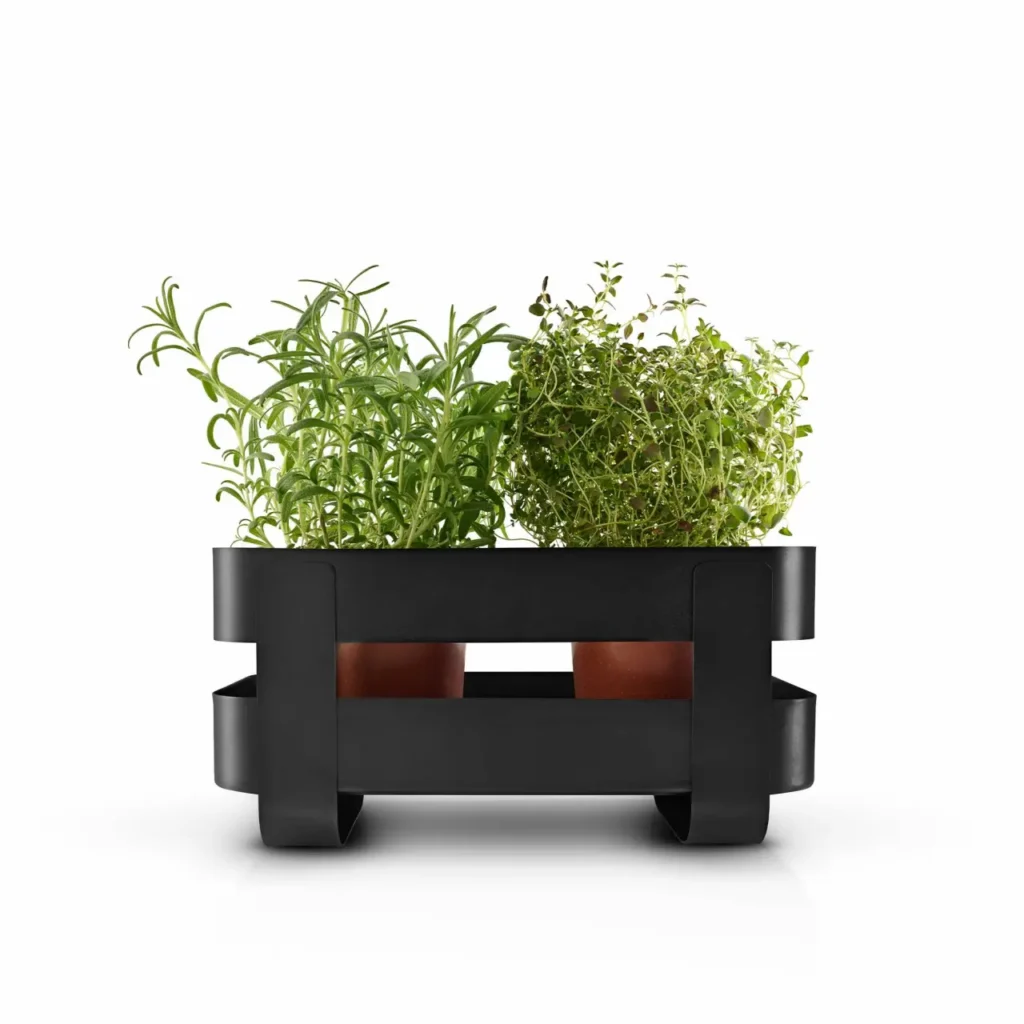
- Thyme – Prefers drier soil and excellent drainage.
- Rosemary – Sensitive to root rot if kept too wet.
- Oregano – Tolerates moisture but prefers soil that dries slightly between waterings.
For these herbs, the soil mix becomes critical. A lighter, more draining mix can make a self watering planter workable, but it’s not always the easiest option. These herbs are often better suited to traditional pots unless you’re experienced.
Potential Downsides of Self Watering Planters for Herbs
While helpful, self watering planters are not without drawbacks. The most common issue is using the wrong soil. Dense or water-retentive potting mixes can stay too wet, leading to poor oxygen flow and root problems.
Another issue is oversized reservoirs. Large water reservoirs may keep soil wet for too long, especially for smaller herbs or slow-growing varieties.
Cheap or poorly designed planters can also cause uneven moisture distribution, defeating the purpose of the system. Finally, self watering does not mean “no monitoring.” You still need to check plant health, refill the reservoir, and adjust for seasonal changes.
Tips for Using Self Watering Planters with Herbs
To get the best results, a few simple practices make a big difference:
- Choose the right soil mix
Use a light, well-aerated potting mix. Adding perlite or coarse sand improves drainage and oxygen flow. - Check the reservoir regularly
Don’t let it stay full at all times. Occasional dry periods can help prevent root issues for less thirsty herbs. - Match pot size to the herb
Large planters with small herbs increase the risk of overwatering. Start smaller and upgrade if needed. - Provide enough light
No watering system can compensate for poor lighting. Most herbs need 6–8 hours of bright light daily. - Watch plant signals
Yellowing leaves, slow growth, or wilting can indicate too much or too little water—adjust accordingly.
Are Self Watering Planters Better Than Regular Pots for Herbs?
Self watering planters are not automatically “better,” but they are often more forgiving. For people who forget to water or who grow herbs indoors, they provide a more stable environment than regular pots.
Traditional pots offer more control and dry faster, which can be an advantage for Mediterranean herbs. However, they also require more frequent attention.
In practice, self watering planters are usually better for moisture-loving herbs and beginners, while regular pots suit gardeners who enjoy hands-on control and grow drought-tolerant varieties.
Conclusion
Self watering planters can be an excellent choice for growing herbs, especially those that prefer consistently moist soil. They reduce watering errors, support steady growth, and work particularly well indoors.
That said, success depends on choosing the right herbs, using a suitable soil mix, and avoiding oversized or poorly designed planters. For moisture-loving herbs like basil, mint, parsley, and cilantro, they’re often a smart and practical solution. For drier herbs, a more cautious approach is best.
Used thoughtfully, self watering planters can make herb gardening easier, more reliable, and more rewarding.