
Short answer: mold usually appears because soil stays too wet, airflow is limited, and organic debris builds up. You can prevent it by letting the soil surface dry slightly between refills, improving air circulation, using a well-draining soil mix, avoiding overfilling the reservoir, and cleaning the planter regularly.
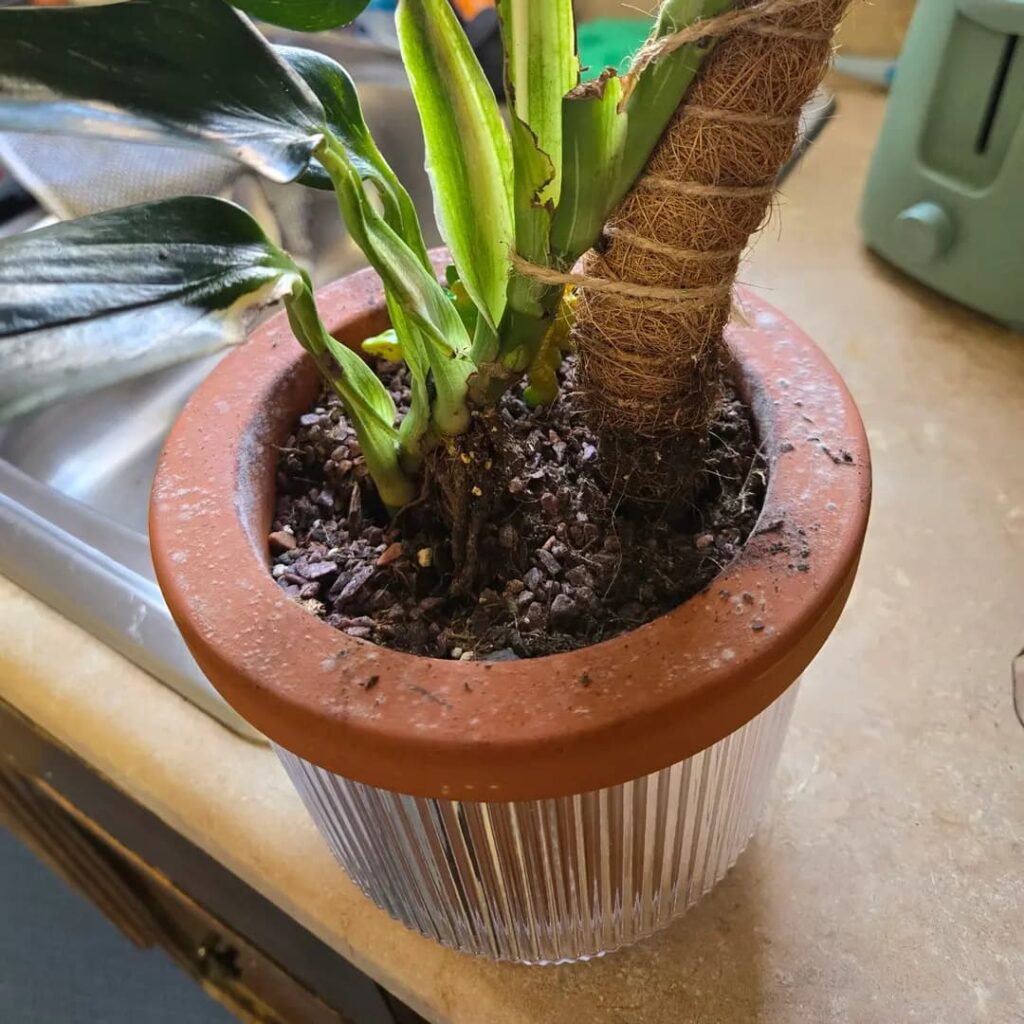
How to Prevent Mold in Self Watering Planters Indoors
Seeing white or green patches on the soil of your indoor plant can feel unsettling. Many people immediately worry that their plant is sick or that something has gone wrong with their care routine. In reality, mold in self watering planters is a very common — and very fixable — issue.
Because these planters are designed to keep soil consistently moist, they sometimes create the perfect environment for mold and fungus. However, that doesn’t mean you need to give up on self watering planters altogether.
In this guide, you’ll learn why mold grows, whether it’s dangerous, how to remove it safely, and — most importantly — how to prevent mold in self watering planters long-term. Everything here is calm, practical, and beginner-friendly.
Why Mold Grows in Self Watering Planters
Self watering planters are meant to simplify plant care. At the same time, their moisture-retaining design can unintentionally support mold growth. When moisture, organic matter, and limited airflow combine, mold spores find ideal conditions to settle and spread.
Below are the most common reasons this happens.
Constant Moisture
Because water is stored in a reservoir and wicked into the soil, the soil surface may never fully dry out. While plants appreciate steady moisture, mold thrives in continuously damp conditions.
Therefore, when the top layer of soil stays wet for too long, spores have time to grow and form visible patches.
Organic Matter in the Soil
Most potting mixes contain organic materials like peat, bark, compost, or coconut coir. These components are excellent for plant health. Unfortunately, they also serve as a food source for mold and fungus.
As a result, when the soil remains moist, mold feeds on this organic matter and begins growing on the surface.
Poor Air Circulation
Indoor air often stays stagnant, especially in corners, bathrooms, or rooms with closed windows.
Without airflow, moisture evaporates more slowly. Because of this, soil stays damp longer, and mold spores are more likely to settle and multiply.
Dirty Water Reservoir
Over time, fertilizer residue, algae, and organic debris can build up in the reservoir. This contamination creates a breeding ground for microorganisms.
Eventually, that nutrient-rich water feeds into the soil, which increases the likelihood of mold in self watering planters.
Is Mold in Self Watering Planters Dangerous?
This question worries many plant owners. Fortunately, the answer is usually reassuring.
For Plants
In most cases, surface mold is not immediately harmful to plants. Instead, it stays on the top layer of soil and doesn’t attack healthy roots.
However, mold does signal that conditions are too wet. Over time, excess moisture can lead to root rot or fungal diseases if left uncorrected.
For People
Generally, household mold on plant soil is low-risk. That said, people with allergies, asthma, or weakened immune systems may be more sensitive.
If mold spreads heavily or produces a strong smell, addressing it promptly is a good idea.
When It’s Critical
Mold becomes more concerning when:
- it spreads rapidly
- the soil smells sour or rotten
- your plant shows signs of decline
In those cases, deeper cleaning or repotting may be necessary.
Common Types of Mold Found in Indoor Planters
Not all growth on soil is the same. Understanding what you’re seeing helps you choose the right response.
White Mold on Soil
This is the most common type. It usually looks like fuzzy white patches or powder.
Typically, it appears due to excess moisture, organic matter, and low airflow. While it’s rarely dangerous, it does indicate overly wet conditions.
Green or Black Mold
Darker mold often looks more alarming.
In most situations, it forms after prolonged dampness or when the reservoir stays dirty. Although not always dangerous, it signals that maintenance habits need adjustment.
Algae vs Mold (Important Difference)
Algae and mold are often confused.
- Algae is usually slimy and green.
- Mold is fuzzy or powdery and can be white, gray, green, or black.
Both thrive in wet conditions. However, algae forms on constantly wet surfaces, while mold grows on organic matter in soil.
How to Prevent Mold in Self Watering Planters
This section matters most. These habits dramatically reduce mold risk.
Let the Soil Surface Dry Between Refills
Instead of keeping the reservoir permanently full, allow it to empty occasionally.
By letting the top inch of soil dry slightly:
- mold growth slows down
- root oxygenation improves
- fungal conditions become less favorable
Improve Air Circulation
Better airflow speeds up evaporation and limits mold spores.
For example:
- open windows occasionally
- place a small fan in the room
- avoid tight corners
Even gentle air movement helps.
Use Well-Draining Soil Mix
Dense or heavy soil holds too much moisture.
Choose a mix with:
- perlite
- pumice
- coarse sand
As a result, drainage improves and soil structure stays airy.
Avoid Overfilling the Reservoir
Filling the reservoir to the brim keeps soil saturated nonstop.
Instead:
- refill partially
- observe how long your plant takes to use water
- allow occasional dry periods
This creates healthier moisture cycles.
Clean the Reservoir Regularly
A dirty reservoir feeds mold.
Rinse it every few weeks and deep-clean it occasionally. You can follow the steps in How to Clean a Self Watering Planter Properly for a safe routine.
Remove Organic Debris
Dead leaves, fallen petals, and fertilizer residue all feed mold.
Make it a habit to:
- remove fallen material
- gently wipe the soil surface
- avoid buildup
How to Remove Mold If It Already Appeared
If mold is already present, don’t panic. In most cases, it’s easy to fix.
Remove the Top Soil Layer
Gently scrape off the top ½–1 inch of soil where mold is visible.
Afterward, replace it with fresh, dry potting mix. This removes most spores immediately.
Improve Ventilation
Once the soil is refreshed, increase airflow and allow the surface to dry more between refills.
Consequently, regrowth becomes far less likely.
Mild Cleaning Solutions
For stubborn spots, lightly treat the soil surface with:
- diluted hydrogen peroxide (3% mixed 1:4 with water)
- diluted white vinegar (very lightly and sparingly)
Avoid soaking the soil.
Repotting (When Needed)
Repot only if:
- mold keeps returning
- soil smells bad
- roots look unhealthy
In that case, clean the planter thoroughly and replace all soil.
Does Fertilizer Increase Mold Risk in Self Watering Planters?
Yes — fertilizer can increase mold risk.
In particular, liquid fertilizers add organic compounds that feed microbial growth. As a result, mold and algae become more likely in both the reservoir and soil.
To reduce problems:
- fertilize lightly
- flush the reservoir occasionally
- clean buildup regularly
For safe fertilizing habits, see Can You Use Liquid Fertilizer in Self Watering Planters?
Can Mold Attract Fungus Gnats?
Yes, there’s a strong connection.
Mold and constantly wet soil attract fungus gnats. These tiny flies lay eggs in moist organic matter.
Therefore, if you see gnats:
- moisture levels are too high
- mold may soon follow
Reducing moisture and cleaning soil surfaces helps both issues.
Common Mistakes That Lead to Mold
Avoid these habits.
- Constantly refilling the reservoir
- Using heavy, poorly draining soil
- Placing planters in stagnant air
- Never cleaning the reservoir
- Leaving fallen leaves on the soil
FAQ
Why does mold grow in self watering planters?
Because soil stays moist, airflow is limited, and organic matter accumulates. These conditions are ideal for mold spores.
Is mold harmful to indoor plants?
Usually not in small amounts. However, it signals excess moisture, which can eventually harm roots.
How often should I clean to prevent mold?
Rinse the reservoir every few weeks and deep-clean it every 1–2 months, especially if you use fertilizer.
Can vinegar kill mold in planters?
Yes, lightly diluted vinegar can help kill surface mold. Use it sparingly and avoid soaking the soil.
Should I stop using self watering planters if mold appears?
No. Mold is usually a maintenance issue, not a planter flaw. With small adjustments, you can prevent it long-term.
Final Thoughts
Mold in self watering planters is common — and very manageable.
It doesn’t mean your plant is failing or that self watering planters are a bad idea. Instead, it simply means moisture levels, airflow, or cleanliness need small adjustments.
By letting soil surfaces dry slightly, improving air circulation, using well-draining soil, and cleaning reservoirs regularly, you can prevent mold in indoor planters and keep your plants healthy.
Ultimately, with the right habits, mold becomes a rare, minor issue — not a constant frustration.