
Top Potting Mixes for Healthy Roots and Consistent Moisture
Introduction
Choosing the right soil is one of the most important — and most overlooked — parts of using a self watering planter. While these planters are designed to simplify watering, the soil you use determines whether the system actually works as intended.
In self watering planters, water moves upward from a reservoir instead of draining quickly from the top. This means the soil must balance two things at the same time:
it needs to hold moisture evenly, but also allow enough air to reach the roots.
Using the wrong potting mix can lead to soggy soil, slow growth, or confusion about whether the planter is “working.” Using the right one helps the system regulate moisture naturally.
In this guide, we review some of the best soil mixes for self watering planters, explain what each is best suited for, and help you choose the right option based on your plants and setup.
Why Soil Choice Matters in Self Watering Planters
Self watering planters rely on capillary action — water is pulled upward through the soil as the plant needs it. This process works best when the soil structure allows:
- Even moisture movement
- Good airflow around roots
- Gradual drying between refills
Dense or compacted soils can block airflow and hold too much water. Extremely fast-draining soils may prevent the reservoir system from working efficiently.
That’s why standard garden soil or heavy mixes often cause problems in self watering pots, even if they work fine in traditional containers.
If you want a deeper explanation of how these systems work, see:
How Do Self Watering Planters Work?
Best Soil Mixes for Self Watering Planters (Reviewed)
Below are several well-known potting and seed-starting mixes that can work well in self watering planters when matched with the right plants and use cases.
Each option serves a slightly different purpose.
1️⃣ Espoma Organic Potting Soil Mix
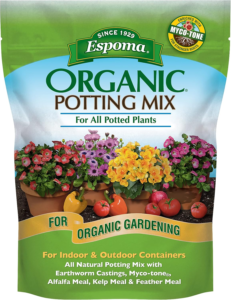
Best for general indoor plants and herbs
This all-purpose organic potting mix is a popular choice for container gardening and works well in many self watering planters.
It provides a balanced texture that allows moisture to move upward without becoming overly compacted. The mix is light enough to support airflow while still holding water consistently.
Best for:
- Indoor herbs
- Leafy plants
- Medium to large self watering planters
Pros:
- Organic ingredients
- Good balance of moisture retention and aeration
- Easy to work with for beginners
Cons:
- May benefit from extra perlite in very moisture-sensitive setups
👉 Check price and availability on Amazon
2️⃣ Espoma Organic Seed Starter Premium Potting Mix
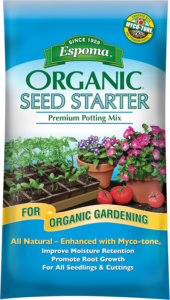
Best for young plants and sensitive roots
Seed-starting mixes are finer and lighter than standard potting soil. This makes them especially useful in self watering planters during early growth stages.
This mix includes organic components designed to support root development without compacting. Because it absorbs water evenly, it pairs well with bottom-up watering systems.
Best for:
- Seedlings
- Young herb plants
- Smaller self watering planters
Pros:
- Very light and airy
- Even moisture distribution
- Gentle on developing roots
Cons:
- May need upgrading to a heavier mix as plants mature
3️⃣ Espoma Organic Cactus Potting Soil Mix
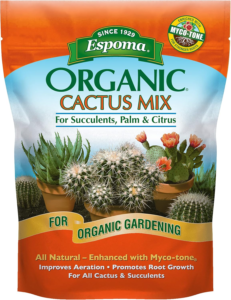
Best for plants that need extra drainage
Not all plants thrive with constant moisture. For self watering planters used with drought-tolerant plants, a faster-draining soil mix can help prevent excess moisture around roots.
This cactus mix is designed to drain quickly while still allowing some capillary action. In self watering planters, it works best when the reservoir is allowed to empty between refills.
Best for:
- Succulents
- Cactus
- Plants that prefer drier conditions
Pros:
- Excellent drainage
- Reduces risk of waterlogged roots
- Works well with cautious reservoir use
Cons:
- Not ideal for moisture-loving herbs
4️⃣ Coast of Maine Bar Harbor Blend Potting Soil
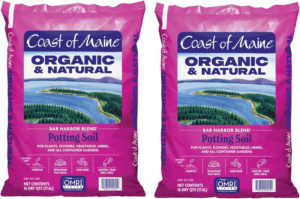
Best for herbs and mixed container plantings
This organic blend includes perlite to improve drainage and airflow, which makes it well suited for self watering systems that need balance rather than saturation.
The texture supports steady moisture movement while reducing compaction over time.
Best for:
- Herbs
- Flowering plants
- Mixed indoor containers
Pros:
- Good aeration
- Organic ingredients
- Performs well in larger planters
Cons:
- Slightly heavier than seed-starting mixes
👉 Check current price on Amazon
5️⃣ Hoffman 30103 Seed Starter Soil
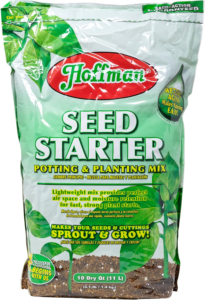
Best budget-friendly option for light setups
This seed-starting soil is lightweight and easy to work with. In self watering planters, it’s most effective for early growth or small plants.
Because it drains quickly, it’s best paired with close observation of reservoir levels.
Best for:
- Seed starting
- Small herbs
- Compact self watering planters
Pros:
- Affordable
- Light texture
- Easy moisture uptake
Cons:
- Not nutrient-rich for long-term growth
How to Choose the Right Soil for Your Self Watering Planter
Instead of focusing only on brand names, it helps to think in terms of plant needs and planter behavior.
Consider these factors:
- Plant type: Herbs and leafy plants usually prefer consistent moisture. Succulents prefer faster drainage.
- Planter size: Larger reservoirs pair better with balanced mixes. Small planters often benefit from lighter soils.
- Indoor conditions: Low airflow and cooler temperatures slow evaporation.
- Growth stage: Seedlings need lighter mixes than mature plants.
If you’re growing herbs indoors, these guides may also help:
Best Herbs for Self Watering Planters
Are Self Watering Planters Good for Herbs?
Common Soil Mistakes in Self Watering Planters
Many issues blamed on the planter itself are actually soil-related:
- Using heavy garden soil
- Compacting soil too tightly
- Choosing a mix that drains too slowly
- Using one soil type for very different plants
For a broader overview, see:
Common Mistakes with Self Watering Planters
Conclusion
Self watering planters work best when paired with the right soil. The mixes reviewed above offer different advantages depending on plant type, planter size, and indoor conditions.
There is no single “perfect” soil for every setup — but choosing a light, well-aerated mix that supports gradual moisture movement makes a noticeable difference.
By matching soil characteristics to how self watering systems actually work, you reduce guesswork and help plants grow more consistently over time.