
Introduction
Self watering planters have become popular for indoor plants because they simplify one part of plant care that often causes stress: watering. Instead of guessing when and how much to water, people like the idea of a planter that helps regulate moisture on its own. So, how to use a self watering planter indoors?
At the same time, beginners often feel unsure.
Is the plant really getting enough water?
Why does the reservoir still look full?
Should the soil feel wet on top?
These questions are common, especially when using a self watering planter indoors for the first time. Indoor conditions behave differently from outdoor ones, and that can make the process feel unpredictable.
This article explains how self watering planters usually work indoors, what to expect, and how to tell if your setup is on the right track — in a calm, practical way.
What a Self Watering Planter Does (Quick Recap)
A self watering planter is built around a simple idea:
- A water reservoir sits at the bottom
- Water moves upward from below, usually through a wick or perforated insert
- The soil absorbs moisture gradually, based on the plant’s needs and the environment
Instead of water flowing quickly through the soil and out of a drainage hole, moisture is supplied slowly from underneath.
If you want a deeper explanation of the mechanics, see:
How Do Self Watering Planters Work?
Choosing the Right Location Indoors
Where you place a self watering planter indoors has a direct effect on how fast water is used.
Windowsill vs indirect light
Plants near a bright window usually use water faster than those placed farther into the room. Direct sunlight increases evaporation and plant activity. Indirect light leads to slower water uptake.
Airflow
Indoor airflow matters more than many people expect. A planter near a vent, heater, or frequently opened window may dry out faster than one in a still corner of the room.
Temperature
Warm indoor temperatures encourage steady water use. Cooler rooms often slow it down. This is one reason two identical planters can behave differently in different rooms.
The key point: location influences water consumption, not just plant type.
Setting Up the Planter Correctly
A calm setup at the beginning helps everything else feel easier later.
Adding soil
Use a light, well-aerated potting mix. Soil that is too dense can slow water movement. Gently add soil without packing it down tightly.
Placing the plant
Position the plant at the same depth it was growing before. Roots should sit comfortably in the soil, not compressed or stretched.
Filling the reservoir
Fill the reservoir according to the planter’s design. It usually does not need to be filled to the absolute top.
⚠️ Things to keep in mind:
- Avoid overfilling the reservoir
- Do not press the soil firmly into place
- Let the system balance itself over time
How Watering Works Indoors (What to Expect)
One of the biggest indoor surprises is how slow and quiet the process feels.
Why the water doesn’t “disappear”
Water is absorbed gradually. It may look like nothing is happening for days. This is normal for many indoor setups.
Why there is no fixed schedule
Indoor humidity, light, temperature, and plant size all affect water use. Because of this, a strict refill schedule rarely fits every situation.
What’s normal in the first days
In the first few days, the soil may take time to fully connect with the moisture source. The system is adjusting. This usually settles without intervention.
For more detail on timing, see:
How Often to Refill a Self Watering Planter
Common Beginner Mistakes Indoors
Most issues come from expectations rather than actual problems.
Using the wrong soil
Heavy garden soil or mixes without aeration can hold too much moisture and slow oxygen flow.
Choosing a planter that’s too large
A very large planter with a small plant may stay moist longer than expected.
Keeping the reservoir constantly full
Topping it off too often can prevent the soil from naturally regulating moisture.
Checking too frequently
Digging into the soil or lifting the plant repeatedly can disturb roots and create unnecessary worry.
A balanced overview of benefits and limitations is covered here:
Self Watering Planters Pros and Cons
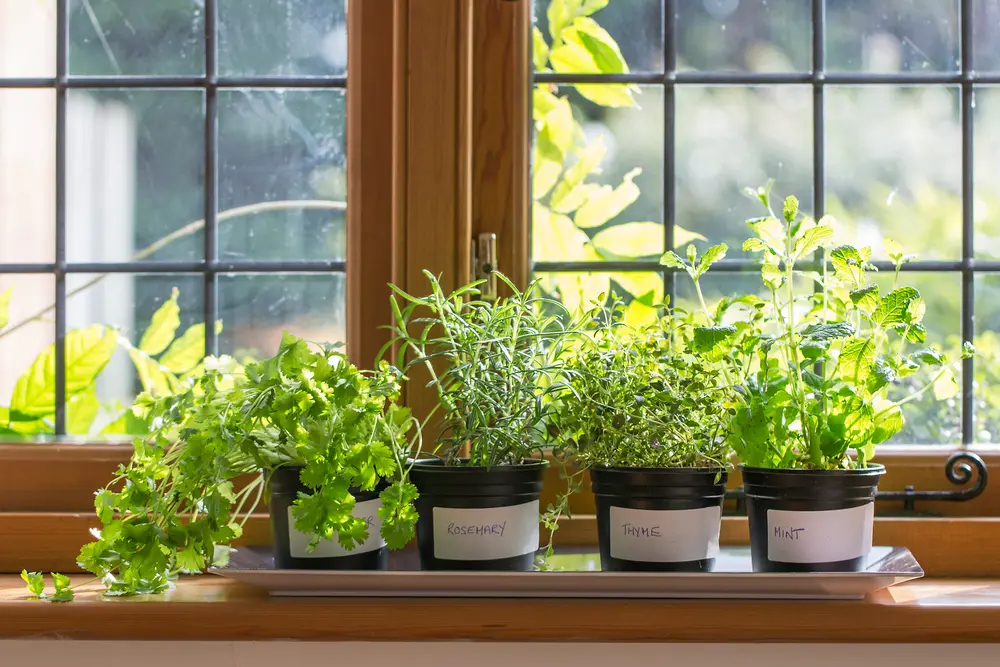
Using Self Watering Planters for Indoor Herbs
Many people use self watering planters indoors specifically for herbs.
Herbs that usually adapt well
- Basil
- Mint
- Parsley
- Cilantro
Indoor considerations
Herbs often need good light and airflow. Indoors, they may grow a bit slower, which also affects water use.
More detailed guides:
- Best Herbs for Self Watering Planters
- Are Self Watering Planters Good for Herbs
Signs Your Indoor Setup Is Working Well
This section exists mainly to reduce anxiety.
Common positive signs include:
- Steady, gradual growth
- Leaves that feel firm, not limp
- Soil that feels evenly moist below the surface
- No strong odor from the soil
If things look calm and consistent, the system is likely doing its job.
When to Adjust Your Indoor Setup
Adjustments are part of normal plant care, not a sign of failure.
You might consider small changes if:
- Leaves start turning yellow
- Growth noticeably slows
- The soil feels overly wet for extended periods
Possible adjustments include changing the location, allowing the reservoir to empty slightly before refilling, or reviewing the soil mix. There is usually no need to rush.
Conclusion
Using self watering planters indoors is less about control and more about observation. There is no universal formula that works for every plant and every room.
Indoor conditions shape how water moves through the system. As you notice patterns over time, the process becomes more intuitive and less stressful.
Understanding how indoor conditions affect watering helps you grow plants with confidence, not stress.