
It might seem like a good idea, but in most cases, you should not use rocks in a self watering planter. Unlike traditional pots, these containers are specifically designed with a built-in reservoir and wicking system. Adding rocks can actually interfere with how the planter works.
Many gardeners were taught to place rocks at the bottom of pots to improve drainage, but modern research shows this doesn’t work the way people expect—especially in self watering systems.
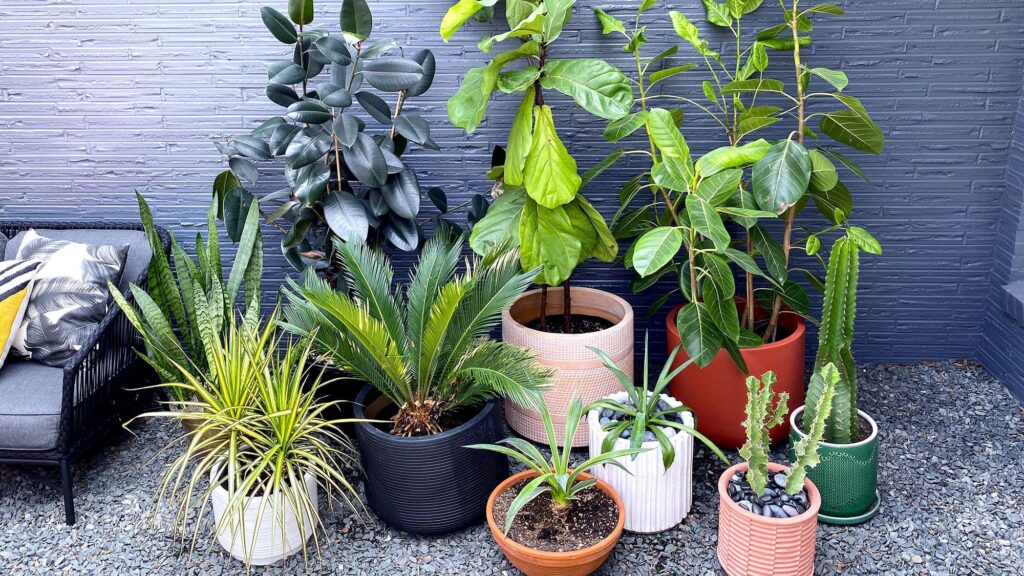
Why Rocks Don’t Improve Drainage
The idea behind adding rocks is that they help excess water drain away from the roots. However, in reality, rocks can make drainage worse.
Creates a perched water table
Water tends to sit above the layer of rocks instead of draining into it, which keeps the soil wetter for longer.
Reduces usable soil space
Adding rocks takes up space that could be used for root growth.
Interrupts wicking systems
In self watering planters, rocks can block or weaken the movement of water from the reservoir into the soil.
Because these containers rely on controlled water movement, anything that disrupts that balance can lead to poor plant health.
How Self Watering Planters Are Designed to Work
Self watering planters already include features that replace the need for rocks.
- A water reservoir at the bottom
- A wicking system that pulls water upward
- A separation layer between soil and water
This design ensures that roots receive moisture without sitting directly in standing water.
If you’re unsure how drainage works in these containers, you can read Do Self Watering Planters Need Drainage Holes? to better understand how excess water is managed.
What to Use Instead of Rocks
Instead of adding rocks, focus on using the right soil mix.
A good mix should include:
- Potting soil
- Perlite or pumice
- Coco coir or peat moss
This combination allows proper water movement while maintaining airflow around the roots.
The soil structure is far more important than adding materials at the bottom of the pot.
When Rocks Might Be Used
There are a few limited cases where rocks may still be useful, but not for drainage.
- Decorative top layer to improve appearance
- Stabilizing very tall plants (placed carefully on top, not bottom)
Even in these situations, rocks should not interfere with the soil or wicking system.
Final Thoughts
So, can you use rocks in a self watering planter? Technically yes, but it’s not recommended—and it usually does more harm than good. These planters are already engineered to manage moisture effectively, and adding rocks can disrupt that balance.
For the best results, skip the rocks and focus on a well-aerated soil mix that supports both drainage and water absorption.
FAQ
Do rocks help drainage in self watering planters?
No. They can actually make drainage less effective by trapping water above the rock layer.
What should you put at the bottom of a self watering planter?
Nothing extra. The planter’s built-in reservoir and system are designed to work without additional layers.
Can rocks damage the wicking system?
Yes. They can interfere with how water moves upward, reducing the planter’s effectiveness.