
If your soil is constantly soggy or your reservoir empties unusually quickly, your self watering planter may be watering too fast. While these systems are designed to provide steady moisture, problems with soil, wicking, or setup can cause water to move too quickly into the root zone.
The result can be overwatered plants, root rot, or poor growth. Fortunately, this issue is usually easy to diagnose and fix with a few adjustments.
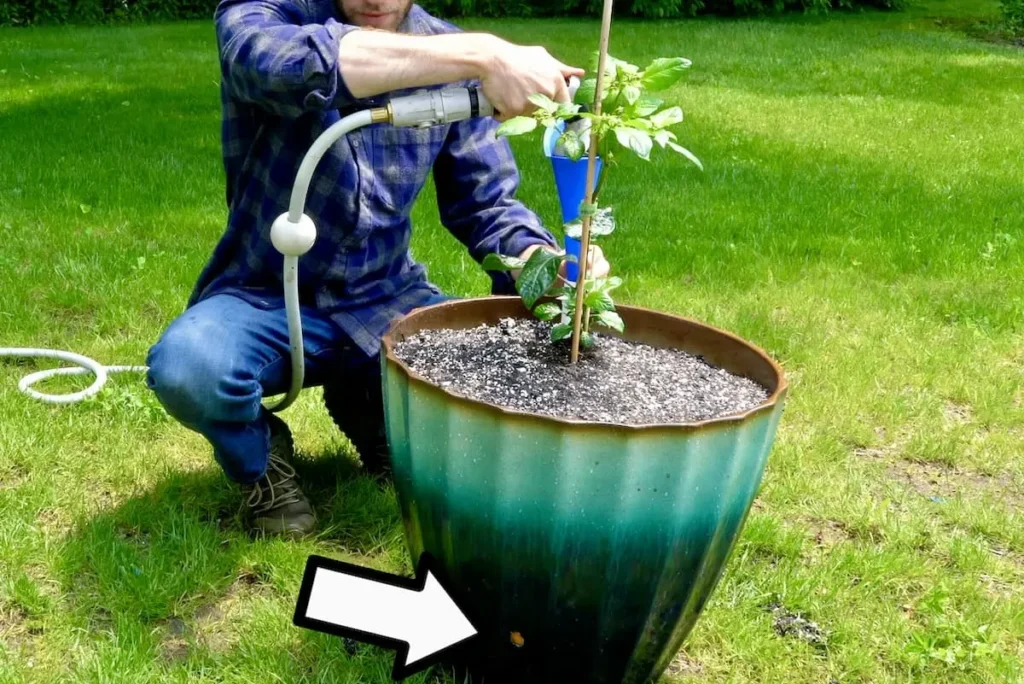
Why a Self Watering Planter May Water Too Fast
Before fixing the problem, it helps to understand what’s causing it.
Overactive wicking system
If the wick or soil column pulls too much water, the soil can stay overly wet.
Soil that retains too much moisture
Dense or peat-heavy soil can absorb and hold excessive water.
Direct soil contact with the reservoir
If the soil sits too close to the water source, it may absorb water continuously without regulation.
Too much compaction
Compacted soil increases water retention and reduces airflow around roots.
Identifying the exact cause helps you choose the most effective solution.
Use a Better Soil Mix
One of the most effective fixes is adjusting your soil composition.
A good mix for self watering planters should include:
- Potting soil
- Perlite or pumice
- Orchid bark or coco coir
These materials improve drainage and reduce how quickly water saturates the soil.
If your soil feels heavy or stays wet for long periods, replacing or amending it can make a big difference.
Adjust the Wicking System
Sometimes the issue lies in how water is being pulled into the soil.
Try the following:
- Reduce the size or number of wicks
- Ensure the wick is not overly thick or tightly packed
- Check that the wick is not pushing too much water upward
A smaller or less dense wick can slow the rate of water transfer.
If your planter is having trouble with water movement in general, you may also want to read Why Is Water Not Absorbing in My Self Watering Planter?, which covers related wicking issues.
Allow the Soil to Dry Slightly
Self watering planters don’t need to be constantly full.
Letting the reservoir empty occasionally can help:
- Prevent overly saturated soil
- Improve oxygen flow to roots
- Reset the moisture balance
This simple habit can reduce the risk of chronic overwatering.
Reposition the Soil Level
If the soil is sitting too close to the water reservoir, it may absorb water too quickly.
Make sure:
- The soil is properly separated from the reservoir
- The planter’s internal structure is assembled correctly
- The wicking chamber is not overfilled with soil
Proper spacing helps regulate how quickly moisture moves upward.
Watch for Common Setup Mistakes
Many watering issues come from simple setup errors.
Some common mistakes include:
- Using the wrong soil type
- Overfilling the reservoir constantly
- Not following the planter’s design instructions
You can explore more setup-related issues in Common Mistakes with Self Watering Planters, which highlights frequent problems and how to avoid them.
Final Thoughts
If your self watering planter is watering too fast, the issue is usually related to soil composition, wicking intensity, or planter setup. By improving your soil mix, adjusting the wick, and allowing the system to balance naturally, you can restore proper moisture control.
Once corrected, self watering planters provide consistent hydration without overwatering, making plant care easier and more reliable.
FAQ
Why is my self watering planter always wet?
This usually happens overly absorbent soil or an aggressive wicking system pulling too much water upward.
Can too much perlite fix overwatering?
Adding perlite can help improve drainage, but too much may reduce proper wicking.
Should I keep the reservoir full all the time?
No. Letting it empty occasionally helps prevent overly wet soil and supports healthier roots.