
Yes, growing vegetables in self watering planters indoors is completely possible, and many home gardeners use these containers to maintain small indoor gardens year-round. Self watering planters help provide consistent moisture, which is especially helpful for vegetables that need steady watering to grow well.
Unlike traditional pots that require frequent watering, these planters include a water reservoir that supplies moisture to the soil gradually. This system helps prevent both underwatering and overwatering, two common problems when growing vegetables indoors.
However, success depends on choosing the right vegetables, providing enough light, and using an appropriate soil mix.
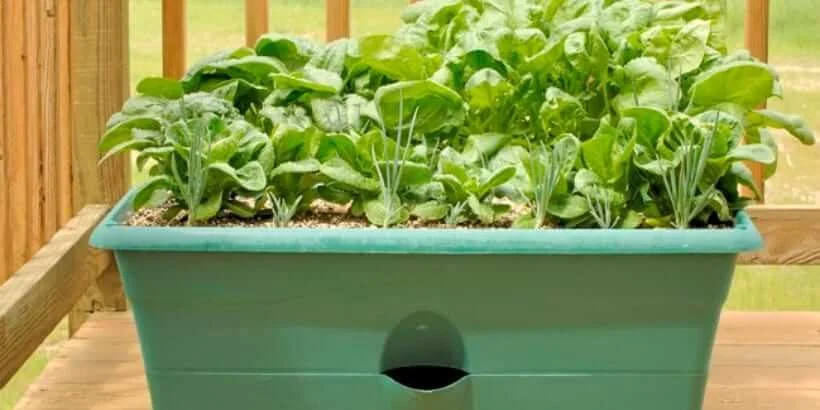
Why Self Watering Planters Work Well for Indoor Vegetables
Vegetables generally need consistent moisture to grow properly. Fluctuations in watering can cause problems like slow growth or poor harvests.
Self watering planters help by providing:
Stable soil moisture
Vegetables absorb water steadily from the soil without drying out between watering cycles.
Less frequent watering
The reservoir allows plants to draw water when needed, which can reduce the need for daily watering.
More efficient root growth
Roots grow toward the moisture source, often creating a stronger root system.
This makes reservoir containers particularly helpful for people growing vegetables in apartments or homes without outdoor garden space.
Vegetables That Grow Well Indoors in Self Watering Planters
Not all vegetables are ideal for indoor gardening, but many compact varieties grow successfully in self watering containers.
Some of the best options include:
- Cherry tomatoes
- Leaf lettuce
- Spinach
- Radishes
- Green onions
- Mini peppers
These plants tend to have manageable root systems and can adapt well to container environments.
If you prefer edible plants that are even easier to grow indoors, herbs are an excellent starting point. You can explore our guide on Best Herbs for Self Watering Planters to find beginner-friendly options.
Light Is the Most Important Factor
While watering systems are important, light is often the biggest challenge when growing vegetables indoors. Most vegetables require at least 6–8 hours of strong light daily to produce healthy leaves and fruit.
If natural sunlight is limited, grow lights can make a huge difference.
LED grow lights allow plants to receive consistent light regardless of the season or window placement. They are particularly useful during winter months or in apartments with limited sun exposure.
To learn how to set up proper lighting, check out Using Grow Lights with Self Watering Planters, which explains how artificial lighting can support indoor plant growth.
Choosing the Right Soil Mix
Vegetables in self watering planters still need a soil mix that balances moisture retention and drainage.
A good mix may include:
- High-quality potting soil
- Perlite or pumice
- Coco coir or peat moss
This combination allows water to wick upward from the reservoir while maintaining enough oxygen around the roots.
Avoid dense garden soil, which can compact and prevent proper water movement.
Tips for Successful Indoor Vegetable Gardening
A few simple practices can improve results when growing vegetables indoors.
- Choose compact or dwarf vegetable varieties
- Keep the reservoir filled but not overflowing
- Provide consistent light each day
- Fertilize regularly since containers lose nutrients over time
Following these steps can help produce healthy plants and steady harvests even in a small indoor space.
Final Thoughts
Growing vegetables in self watering planters indoors can be a convenient and productive way to maintain a small kitchen garden at home. The reservoir system keeps soil moisture stable while reducing the need for frequent watering.
When paired with adequate lighting and a well-balanced soil mix, self watering containers can support many vegetables, making indoor gardening easier and more accessible year-round.
FAQ
Which vegetables grow best in self watering planters indoors?
Leafy greens, cherry tomatoes, peppers, and radishes are among the easiest vegetables to grow in these containers.
Do vegetables need fertilizer in self watering planters?
Yes. Because container soil gradually loses nutrients, regular fertilizing helps maintain healthy growth.
How much light do indoor vegetables need?
Most vegetables require about 6–8 hours of strong light per day, either from sunlight or grow lights.