
Introduction
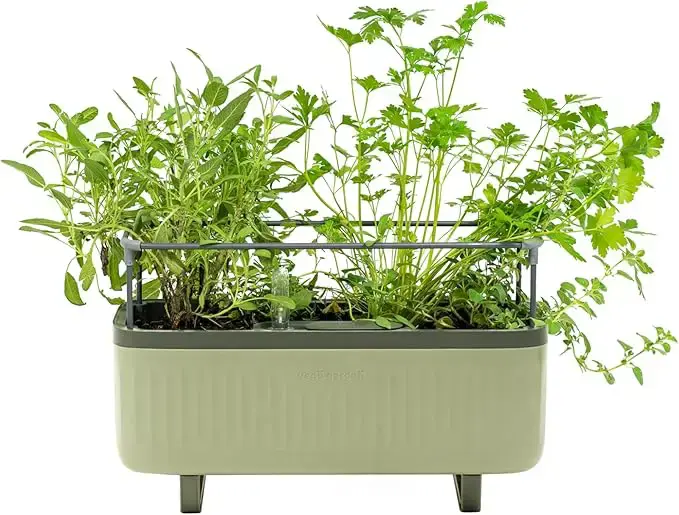
Choosing the right herbs is one of the most important steps when growing plants in self watering planters. While these planters make indoor gardening easier, not every herb responds well to constant access to water. Some thrive with consistent moisture, while others prefer their soil to dry out between waterings. Understanding this difference is especially important for beginners who want reliable results, as well as for more experienced indoor gardeners looking to grow herbs year-round.
Self watering systems are popular for indoor growing and windowsill setups because they reduce daily maintenance and help prevent accidental drying. However, success depends on matching the planter with herbs that naturally enjoy steady moisture. In this guide, you’ll find a practical list of the best herbs for self watering planters, along with tips to help you grow healthy, productive plants indoors with confidence.
Why Some Herbs Thrive in Self Watering Planters
Self watering planters work by storing water in a reservoir below the soil. The plant draws up moisture as needed, keeping the root zone evenly hydrated instead of going through cycles of soaking and drying out. For many herbs, this stable environment closely matches how they grow in nature.
Herbs that like consistent moisture tend to have shallow or delicate root systems. When soil dries too quickly, these plants can become stressed, leading to slow growth, yellowing leaves, or bitter flavor. Indoors, where heating and air conditioning can dry out pots fast, this problem becomes even more noticeable.
On the other hand, herbs adapted to dry or rocky environments may struggle in self watering pots. Too much moisture around their roots can cause rot or weak growth. That’s why selecting the right herbs for self watering planters is key to getting the benefits of these systems without the common pitfalls.
Best Herbs for Self Watering Planters
Basil
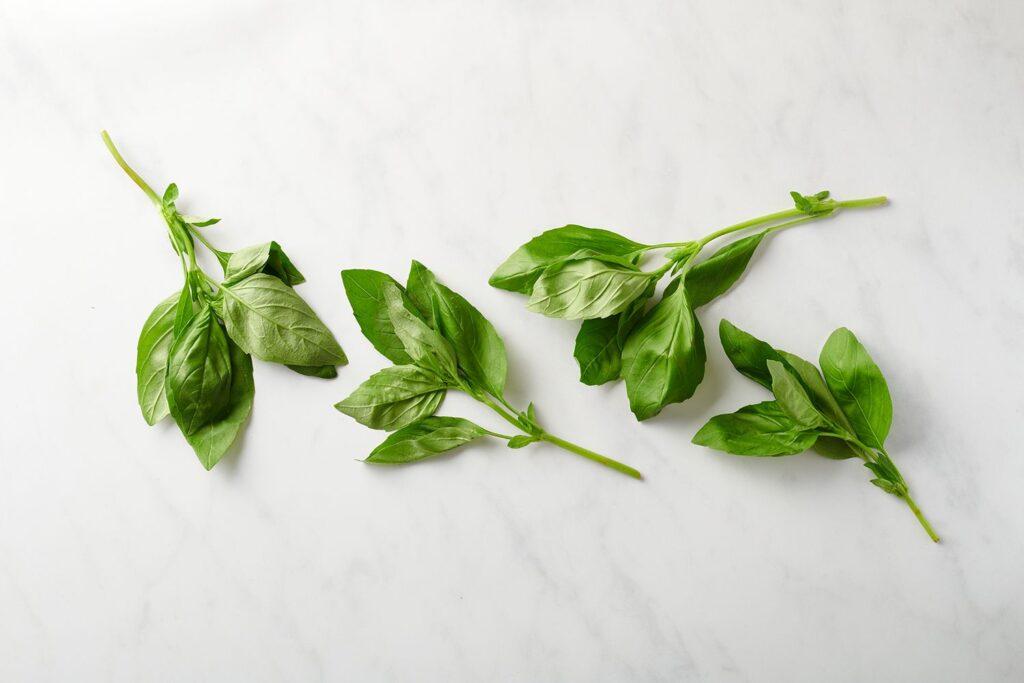
Basil is one of the best herbs for self watering planters because it loves consistently moist soil. When grown indoors, basil can quickly wilt if it dries out, making self watering systems especially helpful. It adapts very well to windowsill growing as long as it gets enough light.
Basil prefers steady moisture without sitting in soggy soil, which makes a well-designed self watering planter ideal. Indoors, place it in bright light and trim it regularly to encourage bushy growth. A light, airy soil mix helps prevent compaction and keeps roots healthy.
Mint
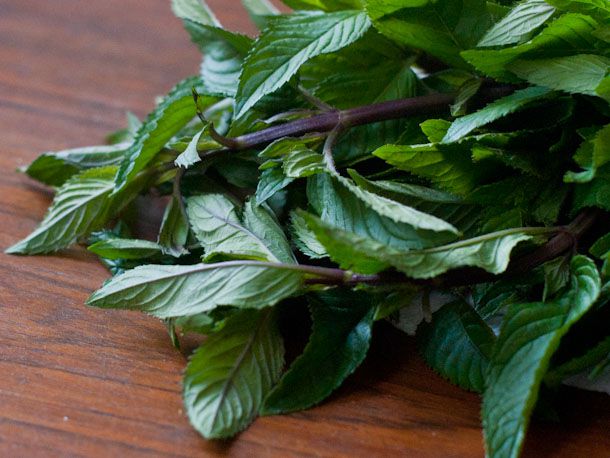
Mint is a vigorous grower that naturally enjoys moist conditions. It responds extremely well to self watering pots, where it can access water consistently without stress. This makes mint a reliable choice for beginners growing indoor herbs.
Because mint spreads quickly, it’s best grown on its own. It thrives on windowsills with moderate to bright light and benefits from frequent trimming. Self watering planters help keep its growth steady and prevent the leaf drop that often happens when mint dries out.
Parsley
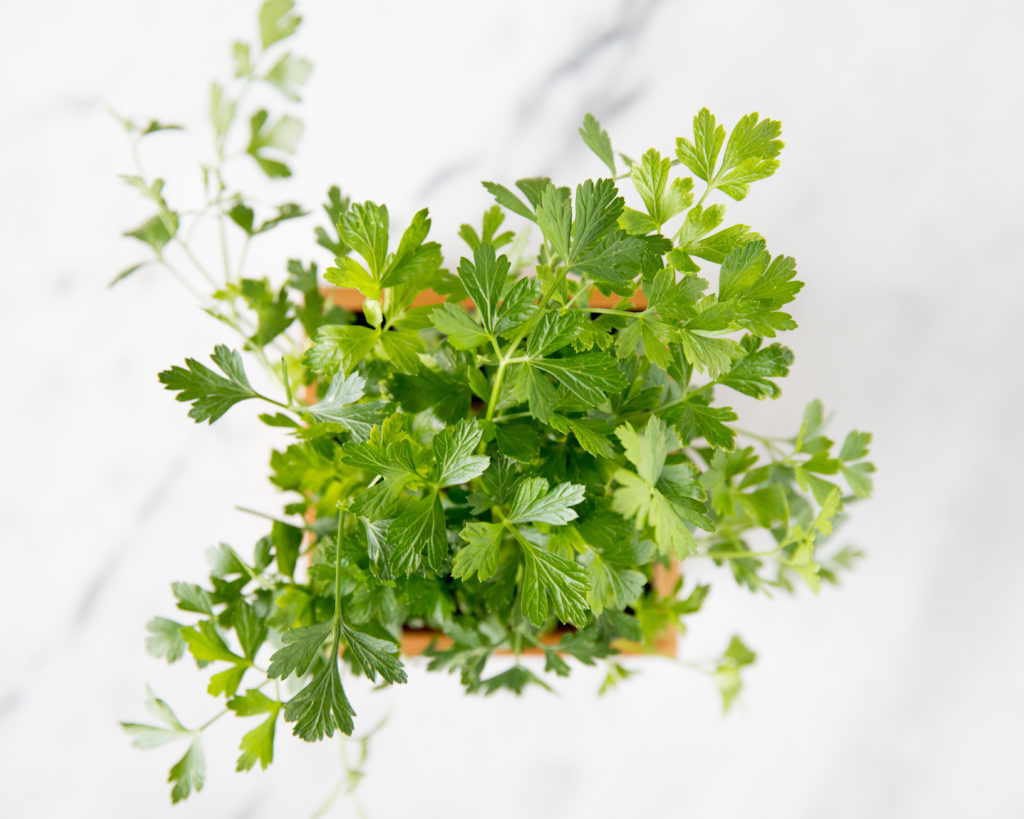
Parsley has shallow roots that dry out faster than many people expect. Self watering planters help maintain the even moisture parsley needs to grow full, leafy stems indoors. It performs well in windowsill setups, especially in cooler indoor conditions.
Parsley prefers soil that stays lightly moist rather than wet. Good drainage combined with a steady water supply supports healthy growth. Regular harvesting encourages new leaves and helps prevent the plant from becoming leggy.
Cilantro (Coriander)
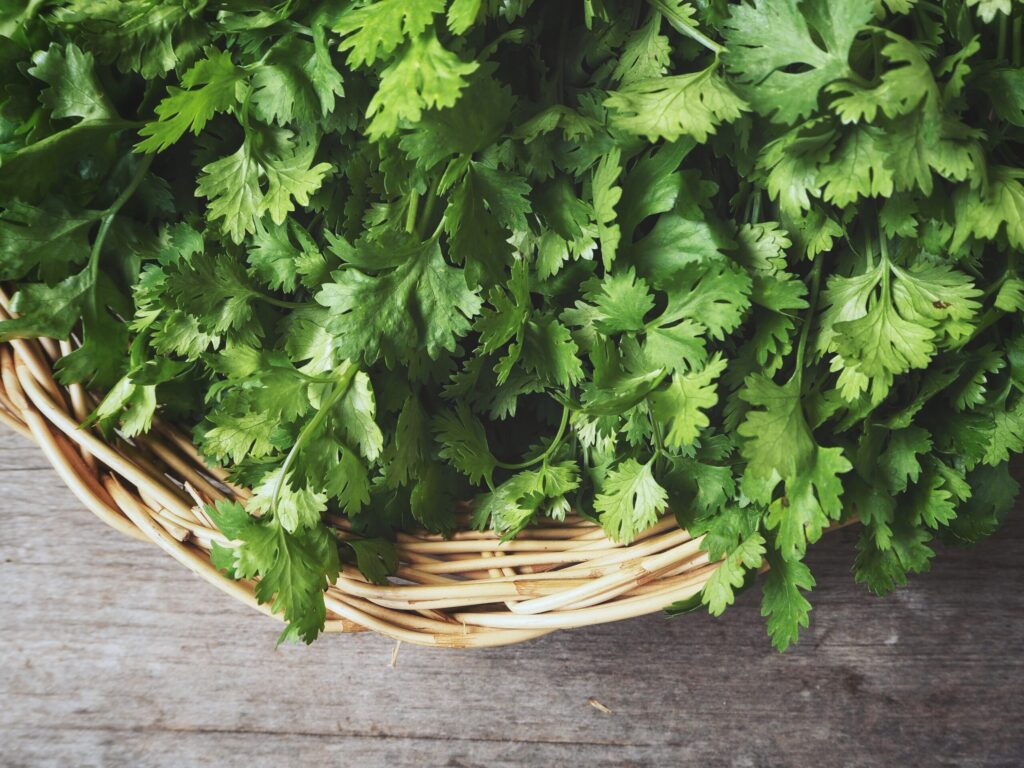
Cilantro is sensitive to inconsistent watering, which often causes it to bolt or develop weak stems. Self watering planters help stabilize moisture levels, making cilantro easier to manage indoors.
It grows best on a bright windowsill with indirect sunlight. While cilantro doesn’t like heavy soil, it does appreciate consistent moisture. Keep the plant trimmed and harvest leaves early to extend its productive period.
Chives
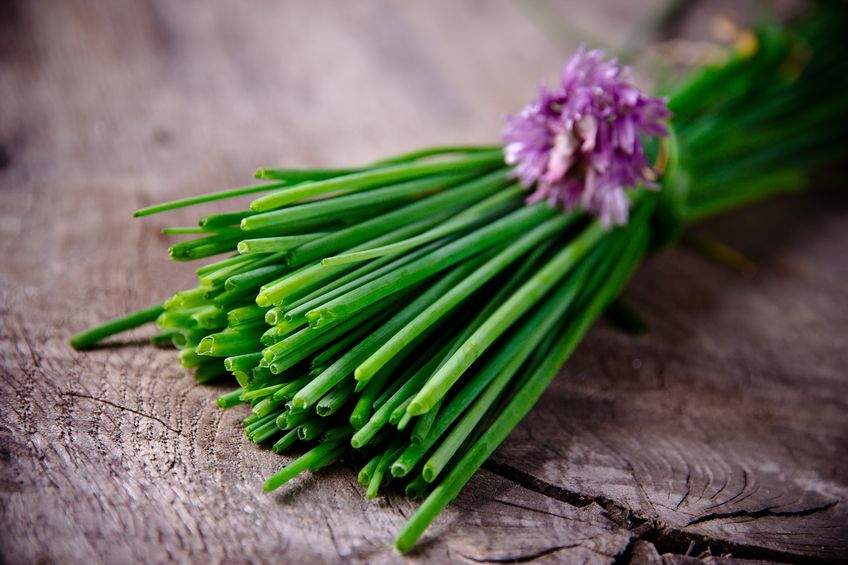
Chives adapt well to indoor environments and respond positively to self watering systems. They enjoy soil that stays evenly moist but not waterlogged, making them a good match for self watering planters for herbs.
Chives do well on sunny windowsills and tolerate partial shade. Regular trimming encourages fresh, tender growth. A compact pot size works well since their root system isn’t very deep.
Lemon Balm
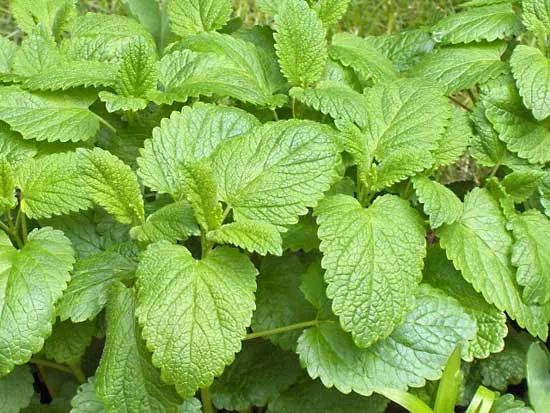
Lemon balm is often overlooked, but it’s one of the easiest herbs for self watering planters. It prefers consistently moist soil and grows well indoors, especially in bright, indirect light.
This herb has a mild lemon scent and benefits from frequent pruning to keep it compact. Self watering pots reduce stress from drying and support steady leaf production throughout the growing season.
Dill (Optional)
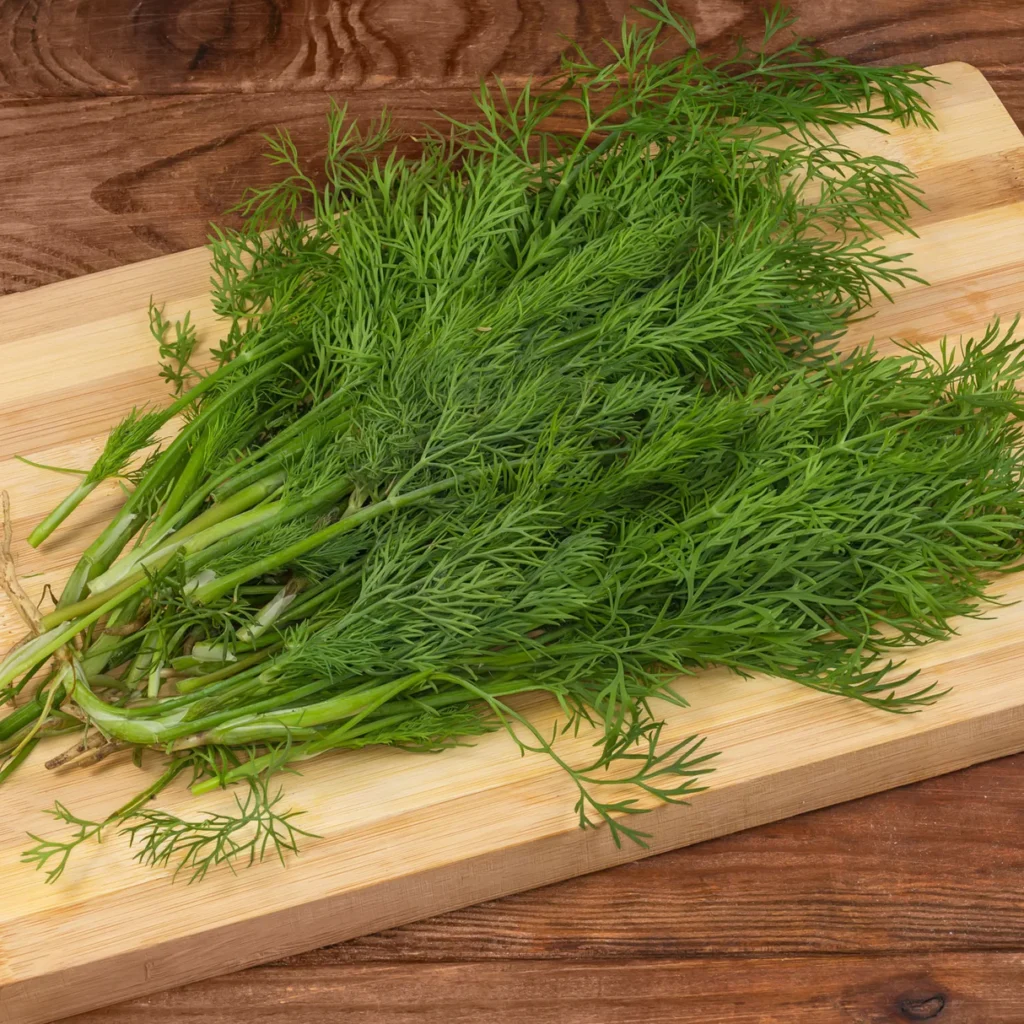
Dill can grow successfully in self watering planters, especially during its early stages. It prefers evenly moist soil and can struggle if conditions fluctuate too much indoors.
Because dill has a deeper root system, choose a planter with enough depth. Place it in bright light and avoid overcrowding. While not as forgiving as basil or mint, dill can still perform well with proper balance.
Oregano (With Caution)
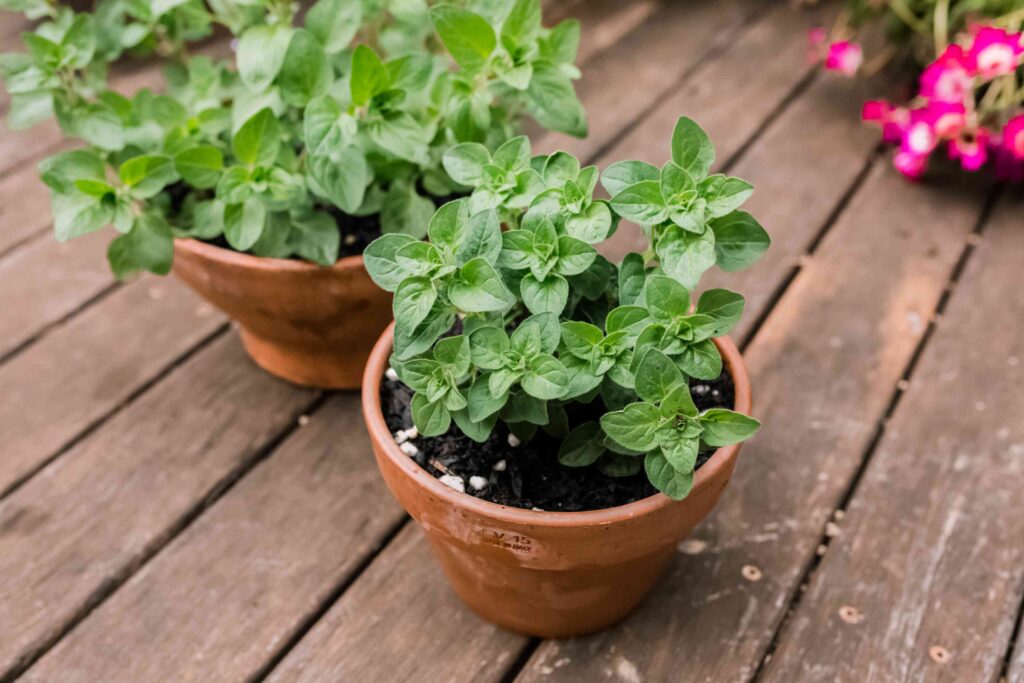
Oregano can work in self watering planters, but it needs a bit more attention. Unlike herbs that crave moisture, oregano prefers slightly drier conditions once established.
If grown indoors, use a lighter soil mix and avoid overfilling the reservoir. Good light and occasional trimming help keep oregano compact and flavorful. It’s better suited for gardeners with some experience.
Herbs That Need Extra Care in Self Watering Planters
Not all herbs are ideal candidates for self watering systems. Rosemary, thyme, and sage are adapted to drier environments and store moisture in their woody stems. Constant access to water can overwhelm their roots, leading to rot or weak growth.
These herbs are more sensitive to overwatering, especially indoors where evaporation is slower. In self watering planters, the soil may stay too damp for their needs. For many growers, a traditional pot with controlled watering works better.
If you do try these herbs in self watering pots, careful monitoring is essential. Allow the reservoir to empty before refilling and use a very well-draining soil mix to reduce excess moisture.
Tips for Growing Herbs in Self Watering Planters
- Use a light soil mix: Avoid heavy garden soil; choose mixes that drain well.
- Match pot size to the herb: Smaller herbs need less water storage than larger plants.
- Provide adequate light: Most indoor herbs need bright light to stay healthy.
- Refill the reservoir carefully: Don’t keep it constantly full if the plant doesn’t need it.
- Trim regularly: Harvesting encourages fresh growth and prevents legginess.
- Watch the leaves: Yellowing can signal too much moisture, even in self watering pots.
Are Self Watering Planters Good for All Herbs?
Self watering planters are helpful, but they aren’t a universal solution. The success of these systems depends on pairing the right planter with the right herb. Herbs that enjoy consistent moisture benefit the most, while drought-tolerant varieties often struggle.
Experience also plays a role. Beginners may find self watering planters forgiving and convenient, while more experienced gardeners may prefer adjusting watering manually for sensitive herbs. Understanding plant preferences leads to better results.
For a deeper look at this topic, see our guide: Are Self Watering Planters Good for Herbs?
Conclusion
Self watering planters can simplify indoor herb growing when used with the right plants. Herbs like basil, mint, parsley, and chives are excellent choices for consistent results, especially on windowsills and in small indoor spaces. These systems reduce daily maintenance and help prevent common watering mistakes.
Choosing the right herb is just as important as choosing the right planter. With a thoughtful combination of both, indoor gardening becomes easier, more enjoyable, and far more productive.