
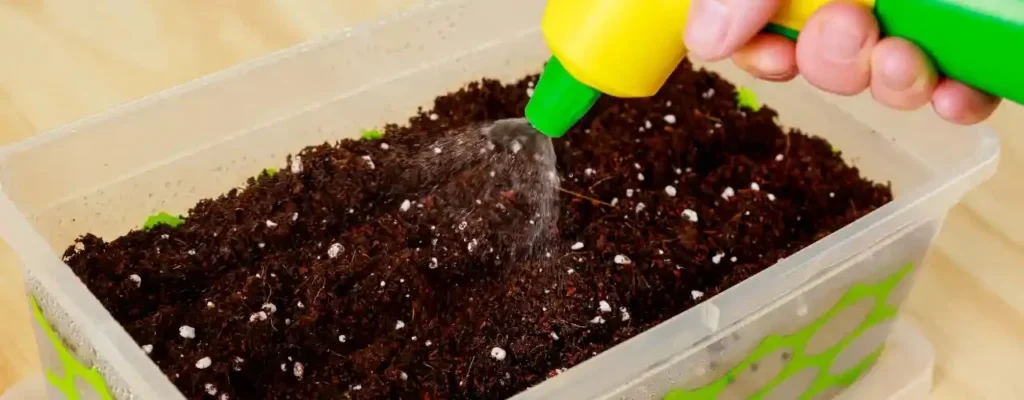
Yes, you can absolutely use perlite in self watering planters, and in many cases it actually improves how well the system works. Perlite is a lightweight volcanic mineral that helps loosen soil and improve drainage. When mixed into potting soil, it creates tiny air pockets that allow roots to breathe while still holding enough moisture for the plant.
Self watering planters rely on a balance between moisture retention and airflow. Soil that is too dense can stay overly wet, while soil that drains too quickly may not wick water from the reservoir effectively. Adding perlite helps create the ideal middle ground.
If you’re planning to prepare a soil mix for one of these containers, you may also want to explore Best Soil for Self Watering Planters, which covers recommended mixes and ingredients in more detail.
Why Perlite Works Well in Self Watering Systems
Perlite is commonly used in indoor gardening because it improves soil structure without adding weight or nutrients.
Improves drainage
Perlite prevents soil from becoming compacted, allowing excess moisture to move more freely through the potting mix.
Increases root oxygen
Healthy plant roots need oxygen. Perlite creates air pockets that help prevent root suffocation in constantly moist environments.
Helps prevent root rot
Because self watering planters maintain steady moisture levels, dense soil can sometimes stay too wet. Perlite reduces this risk by improving aeration.
These benefits make perlite one of the most common ingredients in indoor potting mixes.
Best Perlite-to-Soil Ratio
The exact ratio depends on the type of plant you are growing, but a general rule works well for most indoor plants.
A common mix is:
- 60–70% potting soil
- 30–40% perlite
This ratio provides enough structure to wick water upward from the reservoir while still maintaining airflow around the roots.
Plants that prefer slightly drier soil, such as snake plants or succulents, may benefit from even more perlite.
Plants That Benefit from Perlite in Self Watering Planters
Many popular houseplants grow better when perlite is added to the soil mix.
Examples include:
- Pothos
- Philodendron
- Monstera
- Peace lilies
- Spider plants
These plants appreciate consistent moisture but still need well-aerated soil to prevent root problems.
Perlite helps create that balance, especially in containers that supply water from below.
Common Mistakes When Adding Perlite
Although perlite is helpful, using too much can cause problems.
Too much perlite
If the soil mix becomes too light, it may not wick water effectively from the reservoir.
Using garden soil
Perlite should be mixed with quality indoor potting soil, not heavy outdoor soil.
Uneven mixing
Always blend perlite thoroughly with soil so that moisture distributes evenly throughout the pot.
When used properly, perlite can significantly improve plant health in self watering systems.
Final Thoughts
Using perlite in self watering planters is not only possible but often recommended. It improves soil structure, promotes healthy root airflow, and reduces the risk of waterlogged soil.
For most indoor plants, a mix of potting soil and 30–40% perlite creates an ideal growing environment. Combined with the steady hydration provided by a reservoir planter, this mix can help houseplants grow stronger and healthier indoors.
FAQ
Do self watering planters need perlite?
They don’t require it, but adding perlite usually improves soil aeration and drainage.
Can you use only perlite in a self watering planter?
No. Perlite does not contain nutrients and cannot support plant growth by itself.
Does perlite affect how water wicks in self watering pots?
Yes. In moderate amounts it improves moisture distribution, but too much can reduce wicking efficiency.