
Dry indoor air is one of the biggest challenges for houseplants. Heating systems, air conditioning, and low humidity can quickly dry out soil and stress plants.
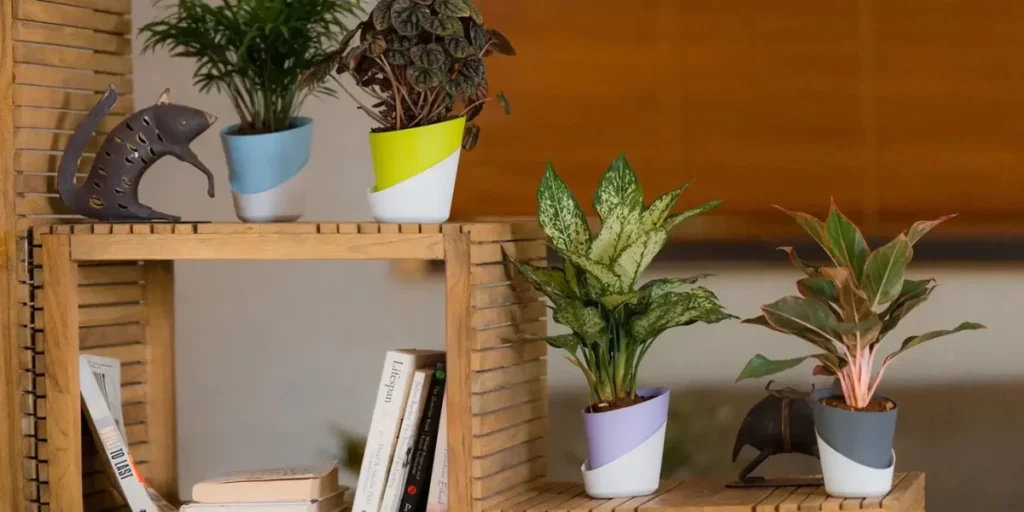
One solution many plant owners use is self watering planters. These containers are designed to provide a steady supply of moisture, which can be especially useful in dry indoor environments.
In this guide, we’ll explain how self watering planters work in dry rooms, their benefits, and which plants grow best in these conditions.
How Self Watering Planters Work
Self watering planters are designed with a built-in water reservoir at the bottom of the pot. The soil draws water upward through a wicking system or capillary action, allowing the plant roots to absorb moisture gradually.
This system keeps the soil evenly moist while preventing overwatering.
Most self watering pots include:
- a water reservoir that stores water
- a wick or soil column that pulls moisture upward
- an overflow system to prevent excess water
- an aeration zone for healthy root growth
Because the plant takes water only when needed, the soil maintains a more stable moisture level.
Why Self Watering Planters Work Well in Dry Rooms
Dry indoor air often causes potting soil to lose moisture quickly. Self watering planters help solve this problem by maintaining a consistent water supply.
Here are the main benefits.
1. They Maintain Consistent Soil Moisture
In dry environments, soil can dry out within a day or two. Self watering systems prevent this by allowing plants to absorb water gradually from the reservoir.
This creates steady moisture levels in the root zone, which supports healthy plant growth and reduces watering mistakes.
2. They Reduce Watering Frequency
In a dry room, plants usually need more frequent watering. With a self watering planter, the reservoir can supply water for several days or even weeks, depending on the plant and pot size.
This is especially useful for:
- busy homeowners
- people who travel frequently
- beginners learning plant care
3. They Help Prevent Underwatering
Underwatering is common in dry environments because soil dries faster than expected.
Self watering pots reduce this risk because plants draw water only when needed, making it easier to keep them hydrated without constant monitoring.
Best Plants for Self Watering Planters in Dry Rooms
Not every plant performs well in self watering systems. However, many common houseplants thrive in them, especially those that prefer evenly moist soil.
Good choices include:
- Pothos
- Peace lilies
- Ferns
- Philodendrons
- Spider plants
- Herbs like basil and mint
These plants typically enjoy consistent moisture and adapt well to reservoir watering systems.
Plants that prefer very dry soil, such as cacti or succulents, are usually not ideal for self watering pots.
Tips for Using Self Watering Planters in Dry Indoor Air
To get the best results in dry rooms, follow these simple tips.
Choose the Right Potting Mix
Use a light, well-draining potting mix that still retains moisture. Soil designed for indoor plants usually works best.
Monitor the Water Reservoir
Even though self watering pots store water, you still need to check the reservoir occasionally to ensure it doesn’t run dry.
Avoid Placing Plants Near Heat Sources
Radiators, heaters, and air vents can dramatically increase evaporation and dry out plants faster.
Try placing plants:
- near windows with indirect light
- away from heating vents
- in areas with moderate airflow
Self Watering Planters in Dry vs Humid Rooms
Self watering planters behave differently depending on indoor humidity.
In dry rooms, the system helps prevent soil from drying out too quickly. In humid rooms, however, soil may stay wet longer and require more careful monitoring.
If you want to learn how these planters behave in humid spaces like bathrooms, see this guide:
That article explains how humidity affects watering frequency and plant care.
Are Self Watering Planters Worth It?
For many indoor gardeners, the answer is yes.
Self watering planters:
- reduce watering mistakes
- maintain consistent soil moisture
- simplify plant care
- help plants survive in dry indoor environments
Because of these benefits, they are often recommended for modern apartments where heating systems or air conditioning reduce humidity levels.
FAQ
Are self watering planters good for dry rooms?
Yes. They help maintain stable soil moisture, which prevents plants from drying out too quickly in low-humidity environments.
How often do you refill a self watering planter?
Most reservoirs last 1–3 weeks, depending on plant size, pot size, and indoor conditions.
Do self watering planters increase humidity?
No. They mainly regulate soil moisture rather than air humidity, although healthy soil moisture can indirectly help plant health.