
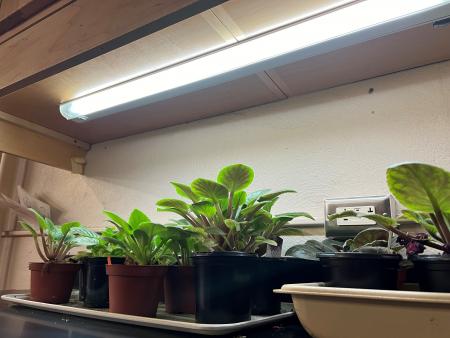
Lighting for Plants in Self-Watering Planters: How to Choose and Use Grow Lights Correctly
Self-watering planters make indoor gardening easier by maintaining consistent moisture, but they don’t replace one of the most important growth factors — light. Choosing the right grow lights for self watering planters can dramatically improve plant health, prevent common problems, and help plants thrive even in low-light homes. Many beginners assume that once watering is automated, plants will grow effortlessly — but in reality, lighting often becomes the new limiting factor.
In real indoor setups, balanced lighting and stable moisture work together. When one is missing, even the best planter design can’t compensate.
Let’s break down how lighting actually affects plants in self-watering pots and how to set up grow lights the right way.
Do Plants in Self-Watering Planters Need Special Lighting?
Technically, plants in self-watering containers don’t require special lighting — but they often benefit from better lighting more than plants in traditional pots.
Why? Because consistent moisture encourages active growth. When roots always have access to water, the plant is ready to photosynthesize and expand. If light levels are too low, growth slows down while moisture remains constant, increasing the risk of issues like weak stems, yellow leaves, or root stress.
Many plant owners notice that after switching to self-watering planters, their plants either grow faster or struggle unexpectedly. Lighting is usually the missing piece.
Typical beginner mistakes include:
- Assuming indirect room light is enough.
- Placing plants far from windows because watering is automated.
- Choosing low-light species but expecting fast growth.
Understanding lighting for indoor plants in self watering pots means recognizing that water stability doesn’t reduce light needs — it can actually increase them.
Natural Light vs Grow Lights
Natural sunlight is still the gold standard. However, indoor environments rarely provide consistent conditions year-round.
When natural light is enough
- South-facing windows with unobstructed sunlight.
- Bright east-facing windows receiving strong morning light.
- Rooms with large windows and reflective surfaces.
If leaves grow compactly and maintain vibrant color, natural light may be sufficient.
When artificial lighting becomes necessary
- North-facing windows or shaded apartments.
- Winter months with shorter days.
- Deep rooms where light fades quickly.
- Shelves or desks away from windows.
Many people exploring grow lights vs natural light for houseplants find that supplemental lighting is not about replacing sunlight but stabilizing it.
Seasonal changes are especially important. A plant thriving in summer near a window might struggle in winter without added light.
Types of Grow Lights That Work Best
Not all grow lights are equal, and fortunately, modern options make indoor plant lighting easier than ever.
LED grow lights
LED grow lights for indoor plants are currently the most practical choice. They are energy-efficient, produce minimal heat, and often include full-spectrum lighting that mimics sunlight.
They work especially well for self-watering setups because they allow precise control without overheating moist soil.
Full-spectrum lights
These lights provide balanced wavelengths needed for both vegetative growth and overall plant health. They’re ideal if you maintain multiple plant types.
Clip-on or desk lamps
Small clip lights work well for individual planters on shelves or desks. Many plant owners start with these before upgrading.
Light panels or bars
Perfect for plant shelves or indoor gardens where multiple self-watering planters sit together.
The key when choosing the best light for self watering planters is consistency — stable daily exposure is more important than extreme brightness.
How Much Light Do Self-Watering Planters Need?
One of the most common questions is: how much light do self watering planters need?
The answer depends on plant type.
Low-light plants
Examples:
- Snake plant
- ZZ plant
- Some ferns
These can survive in dimmer conditions but still benefit from supplemental light to maintain shape and health.
Medium-light plants
- Pothos
- Philodendron
- Peace lily
Usually thrive with indirect natural light plus occasional grow light support.
High-light plants
- Herbs
- Succulents
- Ficus varieties
Often require dedicated grow lights indoors, especially during winter.
Distance from the light
- Small LEDs: 20–40 cm (8–16 inches)
- Strong panels: follow manufacturer guidelines, usually 30–60 cm.
Light placed too far away dramatically reduces effectiveness — something many beginners underestimate.
Duration
- Low light plants: 8–10 hours
- Medium light: 10–12 hours
- High light: 12–14 hours
Timers help maintain consistency without daily adjustments.
Common Lighting Mistakes with Self-Watering Planters
Self-watering systems change how mistakes appear — problems often develop slowly.
Too little light + constant moisture
This is probably the most common issue. Roots stay hydrated while leaves cannot produce enough energy, leading to soft growth or yellowing.
Overheating from incorrect lights
Older bulbs can heat the soil surface and stress roots. Modern LEDs greatly reduce this risk.
Light placed too far away
Many people mount lights too high. Light intensity drops quickly with distance.
Poor timer schedules
Plants need consistent day/night cycles. Random manual switching confuses growth patterns.
One common mistake is trying to compensate for weak light by watering less — but with self-watering systems, adjusting light is usually the better solution.
Special Situations: Humid Environments
Bathrooms and kitchens create unique conditions. Higher humidity reduces evaporation, which changes how plants respond to lighting.
In these environments:
- Plants may tolerate slightly brighter light.
- Mold risk increases if airflow is poor.
- Condensation on leaves can intensify light exposure.
If you’re placing self-watering planters in naturally humid spaces like bathrooms, lighting needs may change — something we explain in detail in our guide on Self Watering Planters in Humid Rooms.
Practical Setup Guide (Step-by-Step)
Here’s a realistic setup many indoor growers use successfully.
1. Choose placement first
Start by evaluating natural light sources. Even if using grow lights, combining them with window light reduces energy usage.
2. Position the light correctly
Place lights directly above plants rather than from the side when possible. This promotes even growth and prevents leaning.
3. Set a timer
Most indoor plant lighting tips emphasize consistency. Set lights to switch on and off at the same time every day.
Example schedule:
- On: 8:00 AM
- Off: 8:00 PM
4. Observe plant response
Watch for:
- Compact growth → lighting is good.
- Long, stretched stems → more light needed.
- Leaf bleaching → light too strong or too close.
5. Adjust gradually
Avoid sudden changes. Increase exposure by 1–2 hours or adjust distance slowly.
Many plant owners notice dramatic improvements within 2–3 weeks once lighting becomes consistent.
FAQ
Do self watering plants grow faster under grow lights?
Yes, when lighting is sufficient. Stable moisture combined with consistent artificial lighting can create ideal growth conditions, especially during darker seasons.
Can plants get too much light in self watering pots?
Absolutely. Excessive light can cause leaf burn or stress. Always monitor leaf color and adjust distance or duration if bleaching occurs.
Are LED grow lights safe for indoor use?
Modern LED grow lights are generally safe, energy-efficient, and produce minimal heat. They are one of the most recommended options for indoor plant setups.
How far should grow lights be from plants?
This depends on intensity, but most LED grow lights work best at 20–40 cm (8–16 inches) above foliage. Always check plant response rather than relying solely on guidelines.
Conclusion
Self-watering planters make watering easier — but lighting still drives growth. Without adequate light, even perfectly hydrated plants struggle to thrive.
The key is balance: stable moisture combined with consistent, appropriate lighting. By choosing suitable grow lights, positioning them correctly, and observing plant responses, you can create a reliable indoor growing environment that supports healthy, steady growth year-round.
When used thoughtfully, grow lights for self watering planters transform indoor gardening from guesswork into a predictable and rewarding process.