
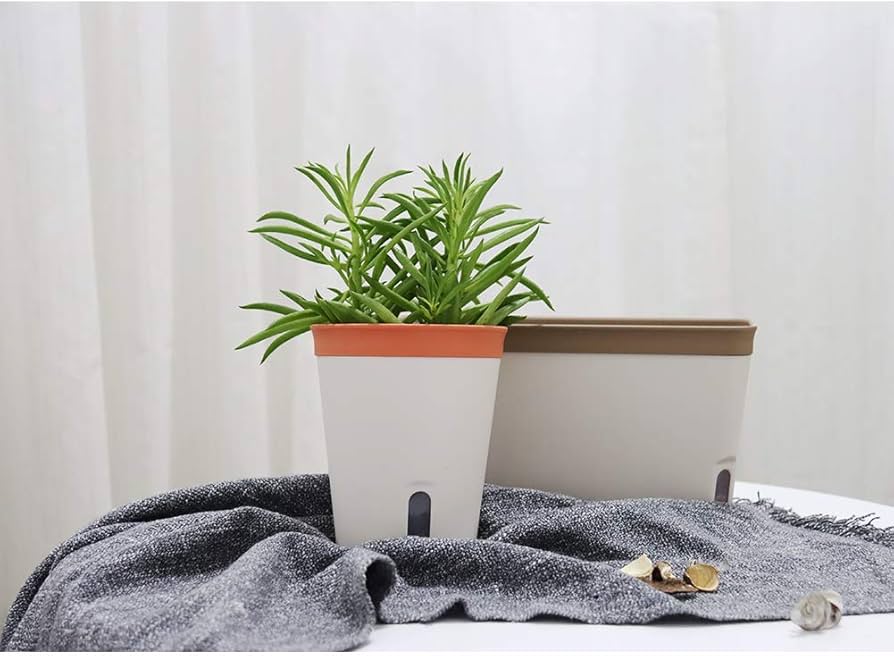
Self watering planters simplify indoor gardening by keeping soil moisture consistent. Many plant owners assume that once watering becomes automatic, most care challenges disappear. In reality, lighting remains one of the most important factors for plant health. Even the best self watering system cannot compensate for poor light conditions.
Understanding how indoor lighting affects plant growth, water usage, and overall stability helps you avoid common mistakes. The right balance between light and moisture keeps plants healthy and reduces issues such as slow growth, yellow leaves, or excess humidity in the soil.
Why Lighting Matters More with Self Watering Planters
Traditional pots dry out between watering sessions. Self watering planters behave differently because they maintain steady moisture through a reservoir system. Plants rely on light to regulate how quickly they use that moisture.
When plants receive enough light:
- they absorb water efficiently
- roots develop stronger structure
- soil stays balanced instead of constantly wet
When lighting is insufficient, plants grow slowly and use less water. In a self watering system, this can lead to overly moist conditions. Excess moisture combined with low light may increase the risk of mold or fungal problems. Learning proper placement becomes essential for preventing these issues.
Types of Indoor Light and How They Affect Self Watering Planters
Bright Direct Light
Direct sunlight hits plants without obstruction. This usually occurs near south-facing windows. Plants that prefer strong light, such as succulents or herbs, perform well here.
Self watering planters in bright direct light often require more frequent refills because plants use water faster. Monitor reservoir levels regularly to maintain stability.
Bright Indirect Light
Bright indirect light works best for many indoor plants. Sunlight fills the room but does not shine directly onto leaves. This reduces stress while providing enough energy for growth.
Self watering planters perform especially well under bright indirect light because:
- plants maintain steady water uptake
- soil moisture stays balanced
- leaf damage becomes less likely
Popular plants like pothos, monstera, and philodendron thrive in these conditions.
Medium Light Conditions
Medium light areas sit farther from windows or receive filtered sunlight through curtains. Many houseplants tolerate these spaces, although growth may slow slightly.
In medium light environments, self watering systems reduce maintenance because plants require fewer refills. However, avoid placing reservoirs in permanently damp environments without airflow.
Low Light Areas
Low light conditions include shaded corners or rooms with minimal natural sunlight. While some plants survive here, growth becomes slower and water consumption decreases.
Self watering planters can hold moisture longer in low light. This increases the risk of stagnant soil if airflow is poor. Monitoring placement and plant health becomes important in these environments.
Window Direction and Placement Tips
Choosing the right window direction helps maximize indoor lighting.
South-facing windows provide strong light throughout the day. Plants may grow faster but require more frequent reservoir checks.
East-facing windows deliver gentle morning light. These locations often create balanced conditions for self watering planters.
West-facing windows bring stronger afternoon sun. Moving plants slightly away from the glass prevents overheating.
North-facing windows provide softer indirect light. Many foliage plants adapt well here, though growth remains slower.
Artificial Lighting for Indoor Self Watering Planters
Natural light is not always available. Grow lights offer a reliable alternative for maintaining consistent plant growth.
LED grow lights work well because they:
- generate less heat
- provide steady intensity
- allow flexible positioning
Using artificial lighting helps stabilize watering patterns because plant growth becomes more predictable. This consistency reduces the chances of uneven moisture levels inside self watering systems.
How Light Influences Mold Risk
Lighting directly affects humidity and evaporation. Poor lighting often slows evaporation, which keeps soil wet longer. Combined with limited airflow, this can create conditions where mold develops.
Maintaining proper light helps prevent excess moisture buildup. If you want deeper strategies for preventing mold issues, read How do you prevent mold in self watering planters? for detailed placement and maintenance tips.
Signs Your Self Watering Planter Needs Better Light
Plants often show clear signals when lighting conditions are not ideal:
- long or stretched stems searching for light
- pale or yellowing leaves
- slow growth despite adequate watering
- consistently wet soil without visible drying cycles
Adjust placement gradually. Sudden exposure to intense light may stress plants.
Choosing Plants Based on Available Light
Matching plant type with lighting conditions simplifies care.
Good choices for lower light:
- snake plant
- ZZ plant
- pothos
Plants that prefer brighter light:
- succulents
- cactus varieties
- indoor herbs such as basil
Selecting appropriate species reduces stress on both the plant and the watering system.
Common Indoor Lighting Mistakes
Many beginners prioritize decoration over functionality. Placing self watering planters far from windows often leads to slow growth and excess moisture retention.
Avoid:
- dark corners without supplemental lighting
- direct contact with hot glass surfaces
- weak artificial lighting placed too far from plants
Small adjustments in distance or light direction can significantly improve plant health.
Final Thoughts
The best light conditions for self watering planters indoors combine steady brightness with balanced moisture control. Bright indirect light works well for most houseplants because it supports growth without causing stress or excessive evaporation.
Self watering systems simplify hydration, but lighting remains the foundation of successful indoor gardening. Understanding how light influences water usage, mold prevention, and plant behavior allows you to create a healthier and more stable environment for your plants.