
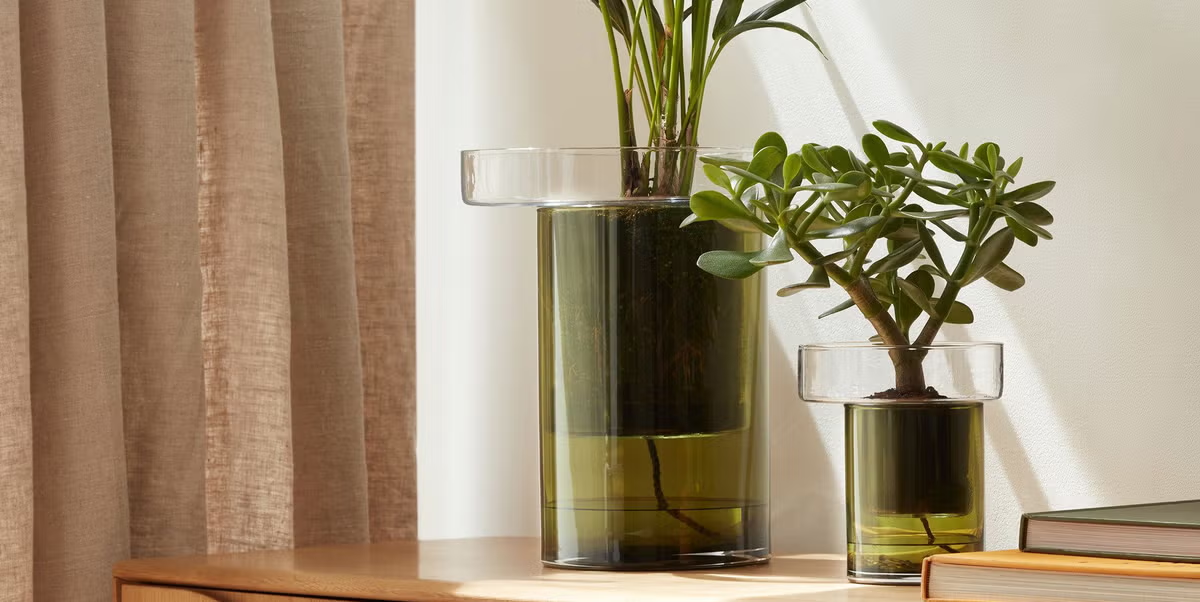
Self watering planters make indoor plant care easier by maintaining consistent moisture levels. However, placement still plays a major role in plant health. Many apartment owners focus on aesthetics first and only later realize that location affects growth, watering efficiency, and even the lifespan of their plants.
Choosing the right spot inside your apartment helps balance light exposure, airflow, temperature, and humidity. When these factors work together, self watering systems perform better and require less maintenance.
Why Placement Matters for Self Watering Planters
Unlike traditional pots, self watering planters store water in a reservoir. This means environmental conditions directly influence how quickly plants absorb moisture.
Proper placement helps:
- prevent overwatering caused by low light
- encourage healthy root development
- reduce mold or humidity issues
- maintain steady plant growth
A good location supports both the plant and the watering system.
Near Windows: The Most Reliable Option
Windows are often the best starting point for placing indoor plants. Natural light supports photosynthesis and helps plants use stored water effectively.
South-facing windows
These provide strong light throughout the day. Self watering planters here may require more frequent refilling because plants grow faster and consume more moisture.
East-facing windows
Morning light is gentle and consistent. This setup works well for many common houseplants and reduces stress caused by intense afternoon sun.
West-facing windows
Afternoon light can become strong. Placing the planter slightly away from direct sunlight prevents overheating.
North-facing windows
These offer softer light. Many foliage plants tolerate this placement, but water usage may slow.
Windowsills vs Nearby Surfaces
Windowsills look appealing, but they are not always ideal. Narrow surfaces may limit airflow or expose plants to temperature changes from glass.
If possible, place self watering planters:
- a short distance from the window
- on a shelf with indirect light
- where air can circulate freely
This creates more stable conditions.
Kitchen Placement
Kitchens provide higher humidity levels, which some plants enjoy. Herbs often thrive near bright kitchen windows.
Avoid placing planters too close to heat sources such as ovens or radiators. Temperature fluctuations may affect moisture levels inside the reservoir.
Living Room Placement
Living rooms often offer the most flexible placement options. Consider positioning self watering planters:
- near bright indirect light
- beside sofas or coffee tables with natural illumination
- on plant stands that elevate leaves toward light sources
Decorative placement works best when balanced with practical lighting needs.
Bedroom Placement
Bedrooms usually have softer lighting conditions. Choose low to medium light plants if natural sunlight is limited.
Self watering planters in bedrooms help maintain stable moisture without daily attention. However, ensure some airflow to prevent excess humidity buildup.
Bathroom Placement
Bathrooms can work well for humidity-loving plants if enough light is available. Without sufficient light, self watering planters may stay too wet.
Adding a small grow light can improve results in darker bathrooms.
Avoid These Common Placement Mistakes
Many indoor gardeners make similar errors:
- placing plants in dark corners for decoration
- positioning planters directly above heat vents
- blocking airflow with tight shelves or walls
- exposing plants to constant temperature changes
Correct placement improves both plant health and watering efficiency.
Adjusting Placement After Overwatering
Sometimes placement causes watering issues. For example, low light conditions slow water absorption and leave soil wet longer.
If you notice signs of overwatering, you may need to move the planter to a brighter area or improve airflow. For step-by-step recovery, see How to reset a self watering planter after overwatering.
Repotting and Changing Locations
Moving a plant to a better location sometimes requires repotting into a more suitable container. Repotting helps refresh soil and improve root health, especially if placement issues caused stress.
If you are planning a transition, follow the process explained in How to Repot a Plant Into a Self Watering Planter.
Can You Modify Existing Pots for Better Placement?
Some apartments have limited space or unusual layouts. Instead of buying new containers, you might adapt existing pots into self watering systems.
If you want to try this approach, check Can you convert a normal pot into a self watering planter for practical conversion tips.
Final Thoughts
Finding the best place for a self watering planter in an apartment depends on balancing light, airflow, and environmental stability. Bright indirect light near windows often delivers the best results. Kitchens, living rooms, and well-lit bedrooms can also work when conditions support healthy growth.
Self watering systems simplify hydration, but placement still determines long-term success. Observing how your plant responds to its environment helps you adjust location and maintain a thriving indoor setup.