
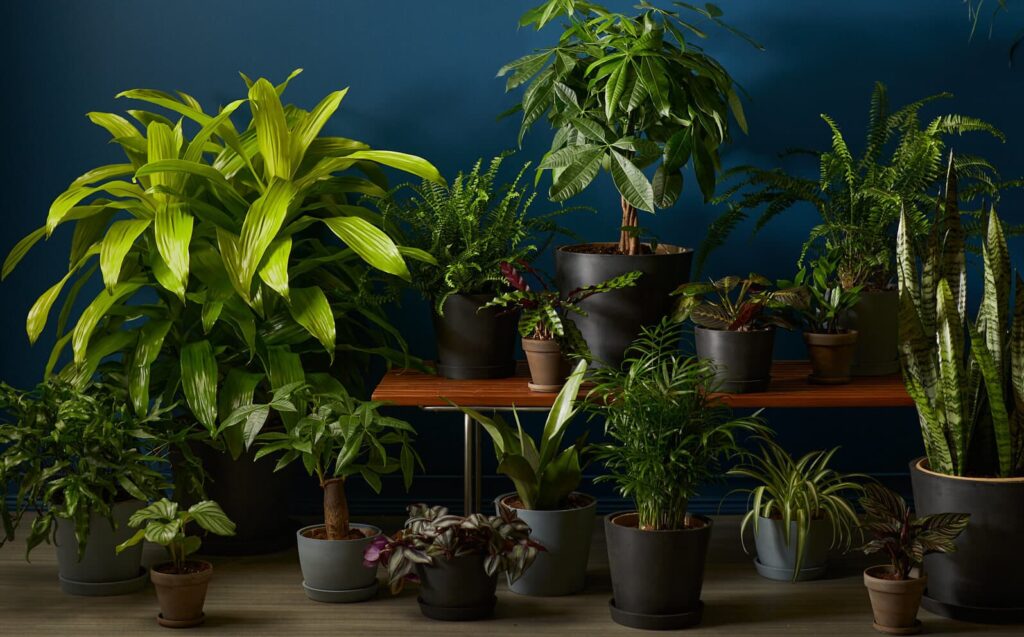
Low light rooms present a unique challenge for indoor plant lovers. Many apartments include spaces that receive limited natural sunlight, such as north-facing rooms, shaded corners, or areas far from windows. Self watering planters can help simplify plant care in these environments, but success depends on understanding how low light conditions affect plant growth and water usage.
This guide explains how self watering systems behave in low light, which plants work best, and how to avoid common mistakes that slow growth or cause root problems.
Why Self Watering Planters Work Well in Low Light
Low light plants typically grow more slowly and require less frequent watering. Traditional pots often dry unevenly because watering depends on manual schedules. Self watering planters maintain consistent moisture levels, which supports stable root development even when growth slows.
Key advantages include:
- reduced risk of underwatering
- steady hydration without daily maintenance
- better moisture control for slow-growing plants
However, low light also changes how plants use water. Since photosynthesis occurs at a slower rate, plants absorb moisture more gradually. This makes proper setup especially important.
How Low Light Changes Water Usage
Lighting directly affects how quickly plants consume water from a reservoir.
In low light environments:
- evaporation slows down
- soil remains moist longer
- roots grow more slowly
While self watering systems prevent dryness, they can also hold moisture for extended periods. This means you may need to refill less often compared to bright locations.
Avoid assuming that refill schedules stay the same across different rooms. Observing plant behavior helps determine the right routine.
Best Plants for Low Light Self Watering Planters
Not every plant adapts well to low light conditions. Choosing suitable species increases success and reduces maintenance.
Popular options include:
- snake plant (Sansevieria)
- pothos
- ZZ plant
- peace lily
- philodendron varieties
These plants tolerate reduced light while benefiting from consistent moisture.
Avoid high-light plants such as most succulents or flowering species unless you provide artificial lighting.
Ideal Placement in Low Light Rooms
Even low light spaces have variation. Finding the brightest available location improves plant health.
Consider placing self watering planters:
- near windows that receive indirect light
- on shelves positioned toward natural light sources
- in areas with some airflow rather than closed corners
Small adjustments in placement can significantly improve growth without changing your watering system.
Using Artificial Light to Improve Results
If natural light remains insufficient, adding grow lights can make a noticeable difference. LED grow lights work well because they produce minimal heat while providing consistent illumination.
Position lights close enough to support growth but far enough to avoid overheating. Artificial lighting helps regulate water usage by encouraging steady plant activity.
Common Problems in Low Light Conditions
Indoor gardeners often encounter similar issues when using self watering planters in darker rooms.
Slow growth
Plants may remain healthy but grow slowly. This is normal in low light environments.
Yellowing leaves
If soil stays wet and leaves turn yellow, lighting may be too weak. Moving the plant closer to light often solves the problem.
Excess moisture
When plants use less water, reservoirs remain full longer. Check water levels periodically and avoid constant refilling.
How to Tell If Roots Are Developing Properly
In low light environments, root growth can take longer. Understanding root progress helps you avoid unnecessary adjustments.
One useful skill is recognizing when roots reach the water source inside the planter. Once roots connect with the reservoir, plants become more stable and require less frequent intervention. For detailed signs and practical tips, see How to tell if roots reached the reservoir.
Maintenance Tips for Low Light Self Watering Planters
Keeping plants healthy in darker spaces requires small adjustments rather than major changes.
Helpful tips include:
- monitor refill frequency instead of following fixed schedules
- rotate plants occasionally to promote even growth
- clean reservoirs periodically to prevent buildup
- avoid overcrowding plants in one container
Consistency matters more than intensity when working with low light conditions.
Final Thoughts
Self watering planters can work extremely well in low light rooms when you understand how lighting affects plant behavior. Lower light means slower water consumption, which requires patience and careful observation rather than frequent adjustments.
Choosing low-light-tolerant plants, placing planters near available light sources, and monitoring moisture levels helps create a stable indoor environment. With the right setup, even darker spaces can support healthy plants with minimal effort.